Case of human screwworm confirmed in Maryland after man returns from El Salvador
“The risk to public health in the United States from this introduction is very low.”
“The risk to public health in the United States from this introduction is very low.”
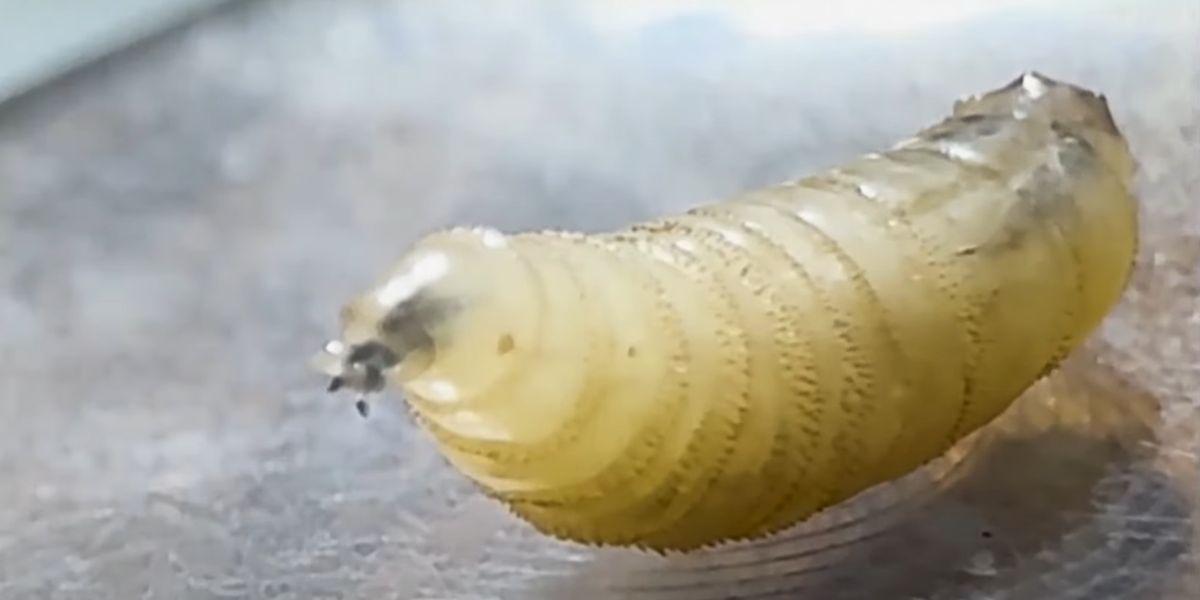
The Centers for Disease Control and Prevention has confirmed the first travel-associated human case of New World screwworm in the United States after a patient returned from travel to El Salvador.
Department of Health and Human Services spokesman Andrew Nixon told Reuters that the case was confirmed as the flesh-eating parasite on August 4, with the Maryland Department of Health and the CDC investigating.
"The risk to public health in the United States from this introduction is very low," he said. The US has not confirmed any cases regarding animals in 2025.
Screwworms are the parasitic larvae of the Cochliomyia hominivorax fly, which lays its eggs in the wounds or mucous membranes of humans and other warm-blooded animals. The larvae then hatch and burrow into living flesh in a motion similar to a screw being driven into wood, giving the parasites their name. If untreated, the host is killed, and the parasite can be devastating for herds of livestock.
The USDA has estimated that an outbreak of screwworms in Texas, the largest cattle-producing state, would cost around $1.8 billion in labor costs, medication expenses, and livestock deaths. Earlier in August, USDA Secretary Brooke Rollins announced plans to build a sterile fly facility in Texas to combat the parasites. In the 1960s, screwworms were eradicated in the US through the use of sterilized male screwworm flies.
In July, the Mexican government announced that it had begun building a $51 million sterile fly production facility. The country reported a new case the same month around 370 miles south of the US-Mexico border in Ixhuatlan de Madero, Veracruz. The US immediately ordered the closure of livestock trade through the border.
The USDA has estimated that around 500 million sterile flies need to be released weekly to push back the fly, which has moved northward from Central America into Mexico since 2023, back to the Darien Gap between Panama and Colombia.
Libby’s Desk
Commentary and must-reads from Libby’s desk, straight to your inbox.
TPM Newsletter
The Post Millennial’s top stories, delivered to your inbox.


