Cincinnati moves to fund income-based reparations to residents with weed money
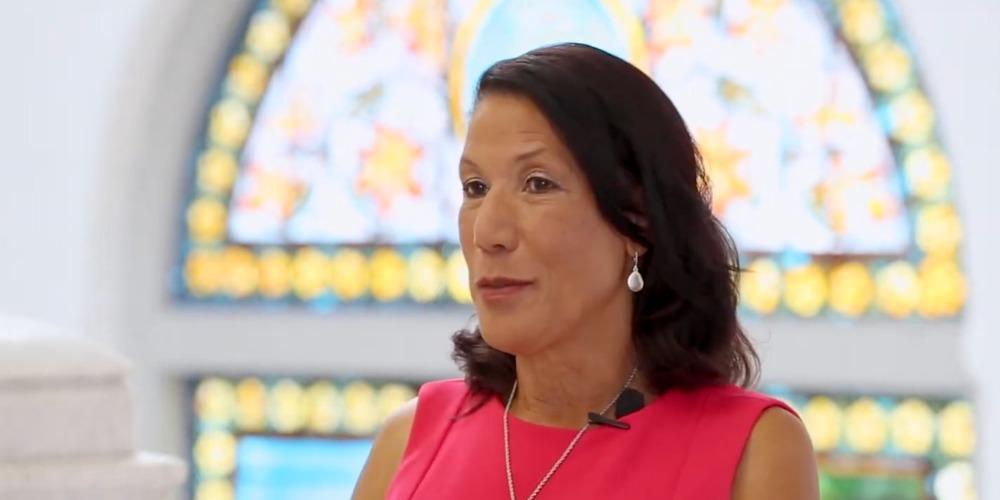
Vice Mayor Jan-Michele Lemon Kearney insisted that the program would not be race-based.
Vice Mayor Jan-Michele Lemon Kearney insisted that the program would not be race-based.
The Cincinnati City Council is set to consider this month a reparations program for residents that would be funded through tax revenue on marijuana.
The council is set to consider the Cincinnati Real Property Reparations Program, a program that would be open to eligible residents in 15 of Cincinnati’s 52 neighborhoods, per the Cincinnati Enquirer. The program would provide financial assistance for purchasing and maintaining property for low-to-moderate income residents and "any individual or family member of an individual who was prevented from buying a home due to discriminatory practices."
The legislation was cosponsored by Vice Mayor Jan-Michele Lemon Kearney and Councilman Scotty Johnson. A statement attached to the motion read, "Now is the time to repair the damage done by racial and income-based discriminatory policies."
Kearney insisted that the program would not be race-based. "Let's repair some of the damage done to low-income communities that kept the residents from owning homes and other real estate and prevented building of generational wealth," she said. The neighborhoods that may be subjected to the program are either predominantly black or have a large black population.
The motion would direct the city to invest $5 million into the program using proceeds from the city’s capital budget as well as the tax on recreational marijuana. It is currently unclear how much each person would get from the program. Under the motion, those in the program would receive assistance for downpayments, emergency repairs, and delinquent property taxes.
The statement included alongside the motion noted historical racial discrimination reasons for why the program is needed, including policies that kept black families from owning property.
Cincinnati NAACP President David Whitehead urged people not to oppose the proposal because it contained the word "reparation." He said, "I think people get confused and caught up with word 'reparation.' It’s restoring people that have been unfairly treated."
Libby’s Desk
Commentary and must-reads from Libby’s desk, straight to your inbox.
TPM Newsletter
The Post Millennial’s top stories, delivered to your inbox.


