Massachusetts Gov. wants $2M to provide wellness checks for every new mother
“We’re making sure that every new parent in Massachusetts can receive a home health visit from a nurse within the first few weeks of giving birth.”
“We’re making sure that every new parent in Massachusetts can receive a home health visit from a nurse within the first few weeks of giving birth.”
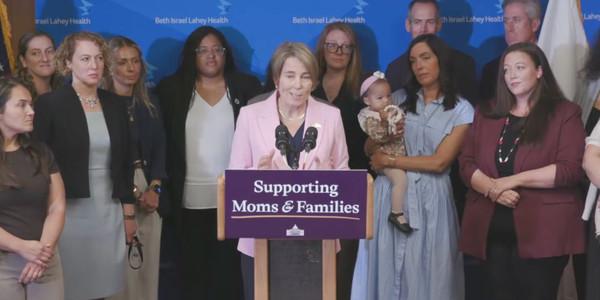
Massachusetts Gov. Maura Healey is proposing $2 million in state funding to expand support for postpartum mothers following the mistrial in the case of Lindsay Clancy.
Healey announced the proposed funding Tuesday as part of a series of measures aimed at expanding postpartum mental-health care and identifying potential problems sooner. The proposal would provide universal access to the Department of Public Health’s Welcome Family home visiting program, allowing every parent and caregiver in the state the ability to receive a voluntary home visit from a nurse.
The Welcome Family program currently serves approximately 3,000 families each year for free. It does not have any eligibility requirements for income, age or other criteria. Nurses can answer questions about newborn care and breastfeeding, and screen for mental-health concerns regarding the mother. They can also provide referrals related to domestic violence, food access and other community resources.
“We’re making sure that every new parent in Massachusetts can receive a home health visit from a nurse within the first few weeks of giving birth,” Healey said.
Loading this lets X set cookies and collect data.
View on XHealey also proposed $250,000 to the Department of Mental Health’s Massachusetts Child Psychiatry Access Program for Mom (MCPAP), which helps health-care providers and professionals identify and treat mental-health and substance-use concerns during pregnancy and the postpartum period. Additional funding would also allow the program to “Track postpartum psychosis data across Massachusetts to improve understanding and clinical response.”
The funding increase would also create a clinical education team to assist mental-health providers in recognizing and managing perinatal behavioral concerns, as well as expanding education about the early warning signs of postpartum psychosis, according to Healey’s office.
“There are still too many gaps in the system, too many challenges in trying to navigate a system, and too many new parents who are struggling,” Healey said. “Postpartum depression and challenges is nothing new – this is as old as time. But there’s been a renewed discussion and focus on that.”
Loading this lets Rumble set cookies and collect data.
View on RumbleLibby’s Desk
Commentary and must-reads from Libby’s desk, straight to your inbox.
TPM Newsletter
The Post Millennial’s top stories, delivered to your inbox.


