Seattle appeals $30.5 million verdict in CHAZ killing of teen after judge rejected bid for new trial | The Post Millennial
News
Seattle appeals $30.5 million verdict in CHAZ killing of teen after judge rejected bid for new trial
“The jury has spoken,” Evan Oshan, Mays Sr.’s attorney, said adding that the jury’s verdict was upheld by the trial judge. “The record will speak for itself.”
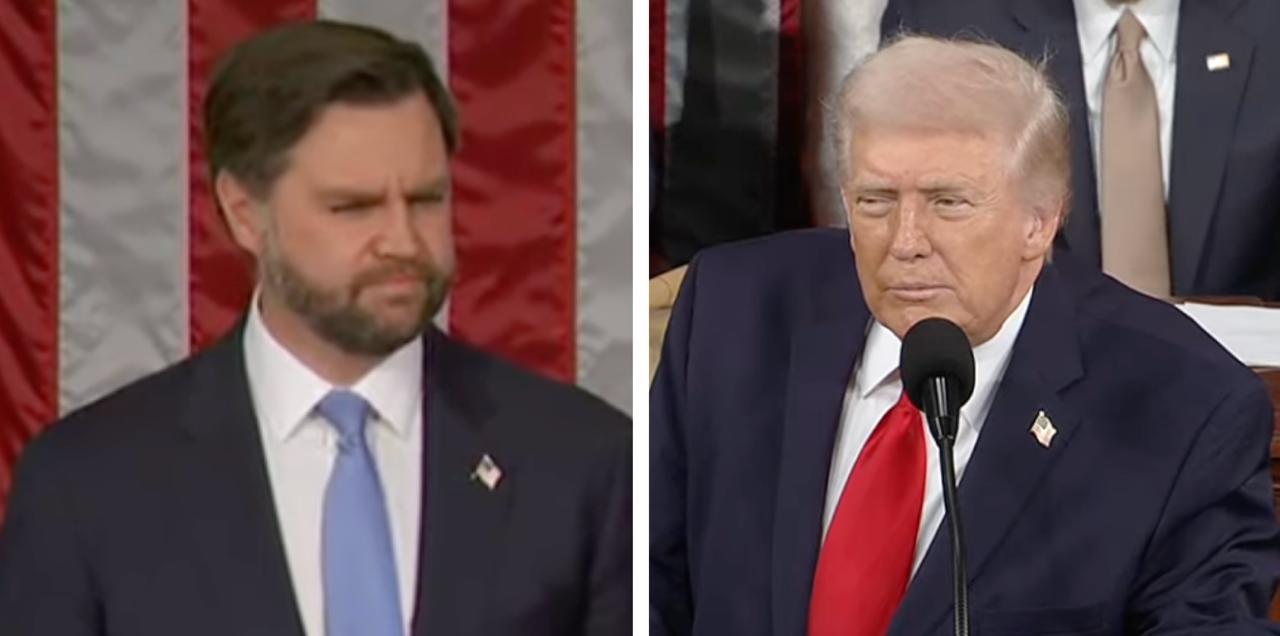
Katie Wilson and Antonio Mays Sr. Screenshots/YouTube
The City of Seattle is asking the Washington Court of Appeals to overturn a verdict awarding more than $30.5 million to the family of a teenager killed inside the city’s deadly 2020 autonomous zone, arguing that delayed emergency treatment did not legally establish the city’s responsibility for his death.
In its November 6 opening brief, Seattle seeks judgment in its favor or, alternatively, a new trial in the case brought by the estate of 16-year-old Antonio Mays Jr. and his father, Antonio Mays Sr.
The appeal follows a January jury verdict finding Seattle negligent in its emergency response to Mays’ shooting and an April ruling rejecting the city’s attempt to undo that result.
“The jury has spoken,” Evan Oshan, Mays Sr.’s attorney, said in a statement to The Ari Hoffman Show Monday. He added that the jury’s verdict was upheld by the trial judge. “The record will speak for itself.”
Mays was shot on June 29, 2020, inside the Capitol Hill Autonomous Zone, also known as CHAZ. The occupied area formed after Seattle police abandoned their East Precinct amid protests and riots following George Floyd’s death. Armed Antifa and BLM radicals who described themselves as the zone’s security patrolled the area.
Mays was riding in a Jeep when gunfire struck him and another teenager, Robert West. Volunteers attempted to treat Mays and transport him out of the zone to reach professional medical help because first responder could not enter the zone. The civil trial focused on whether Seattle’s emergency response was negligent and whether that negligence caused his death.
Seattle’s appeal centers on three arguments: the medical evidence was insufficient to establish causation, the verdict form improperly exposed the city to damages attributable to the shooter, and a jury instruction wrongly defined the city’s duty to provide aid.
The city contends that even the family’s experts described Mays as having only a small chance of survival with earlier treatment. Seattle argues the family needed to establish that he more likely than not would have survived without the city’s negligence, rather than merely showing that delayed care reduced his chances.
Seattle also disputes the timeline, asserting that professional treatment began approximately 15 minutes after the shooting, only three or four minutes later than the earliest opportunity identified under the family’s account.
The trial judge previously found sufficient evidence supporting the jury’s conclusion that the delay caused Mays’ death.
King County Superior Court Judge Sean O’Donnell rejected Seattle’s post-trial challenges, including its arguments about causation and damages. He described the verdict as “not a detached-from-reality award.”
Seattle’s renewed challenge to the damages turns on the distinction between the jury’s instructions and its verdict form. The city acknowledges that Instruction 16a directed jurors to exclude damages caused solely by the unknown shooter. It nevertheless argues that the form’s request for the plaintiffs’ total damages contradicted that instruction and left jurors without an adequate way to separate responsibility.
Oshan previously addressed that issue in during an interview on The Ari Hoffman Show, saying the court had specifically instructed jurors to segregate damages caused solely by the shooter. He also noted that the family requested $100 million and received substantially less.
“The City made no settlement offer at any point in this litigation,” Oshan said at the time.
The third appellate argument challenges an instruction concerning emergency treatment at a designated rendezvous point. Seattle says it effectively directed a negligence finding if medics failed to provide assistance there, despite disputed evidence about what responders had promised and what legal duty arose.
A separate dispute has also emerged over an appendix to the city’s brief. In a November 10 motion, the family’s attorneys asked the appeals court to strike a chart listing approximately 350 sustained objections to their trial counsel. They argue Seattle improperly introduced material outside the trial record and is attempting to suggest attorney misconduct without presenting it as a separate appellate issue. The appendix includes a declaration from Assistant City Attorney Kerala Cowart explaining that she compiled the chart from the trial transcript.
The litigation extends beyond this appeal. West refiled his own lawsuit against Seattle after the Mays verdict. West was 14 when he was shot and, according to his lawsuit, lost his right eye and suffered a traumatic brain injury and other permanent disabilities.