
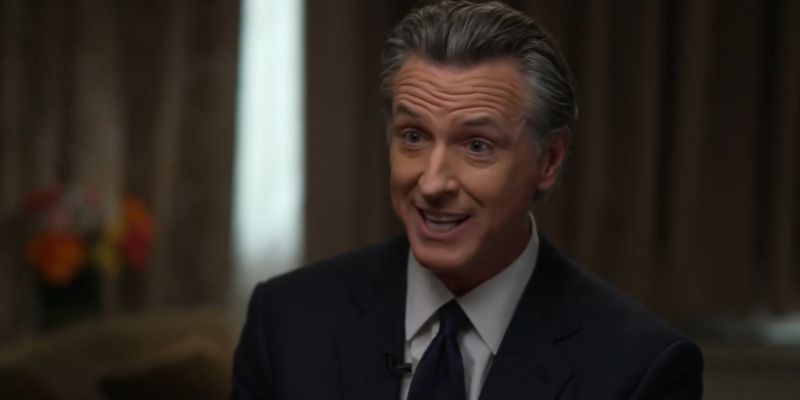
The report estimates roughly 18,000 fewer fast-food jobs in California compared to where the sector would have been without the wage hike and a 2.7 percent employment decline.

Assembly Bill 1228 (AB1228), enacted in September 2023 and fully implemented in April 2024, was championed by Governor Gavin Newsom as a “win-win-win” for workers, businesses, and the economy. But according to the NBER, the real-world outcome has been a steep contraction in employment across the state’s fast-food industry.
The report estimates roughly 18,000 fewer fast-food jobs in California compared to where the sector would have been without the wage hike, a 2.7 percent employment decline, or 3.2 percent when adjusted for pre-law trends. The findings, drawn from the federal Quarterly Census of Employment and Wages, highlight how the wage mandate derailed what had been a fragile post-pandemic recovery in food service employment.
Those numbers represent more than economic data; they reflect real people losing entry-level opportunities. Many of the hardest-hit workers are younger employees or those without formal education, who historically rely on fast-food positions as gateways to higher-paying careers.
The Employment Policies Institute adds another sobering layer to the story: non-tipped restaurant employees have lost an average of 250 working hours per year, equating to about $4,000 in lost income, roughly seven weeks of full-time pay.
And consumers aren’t spared either in some cases. The New York Post reported that Burger King’s Double Whopper meal is now 12 percent more expensive than before the law took effect, while In-N-Out Burger has raised prices across the board to absorb higher labor costs.
Meanwhile, other states are watching and following suit. In Washington State, several local jurisdictions are planning similar minimum wage hikes. Bellingham is leading the way, increasing its minimum wage to $17.28 this year, with another bump to $18.28 in 2025.
Powered by The Post Millennial CMS™ Comments
Join and support independent free thinkers!
We’re independent and can’t be cancelled. The establishment media is increasingly dedicated to divisive cancel culture, corporate wokeism, and political correctness, all while covering up corruption from the corridors of power. The need for fact-based journalism and thoughtful analysis has never been greater. When you support The Post Millennial, you support freedom of the press at a time when it's under direct attack. Join the ranks of independent, free thinkers by supporting us today for as little as $1.
Remind me next month
To find out what personal data we collect and how we use it, please visit our Privacy Policy





Comments
2025-10-21T18:25-0400 | Comment by: Jeanne
Tried to tell them, but they just wouldn’t listen… the Left prefers as many as possible to be unemployed and on the dole, where they can exert control. How else can they usher in the communism they long for?