
44 percent of all homes that are rent-stabilized in the city were occupied by people born outside of the US, which would translate to around 440,000 residences.

According to the 2023 New York City Housing and Vacancy Survey, the latest data available, 44 percent of all homes that are rent-stabilized in the city were occupied by people born outside of the US, which would translate to approximately 440,000 residences.
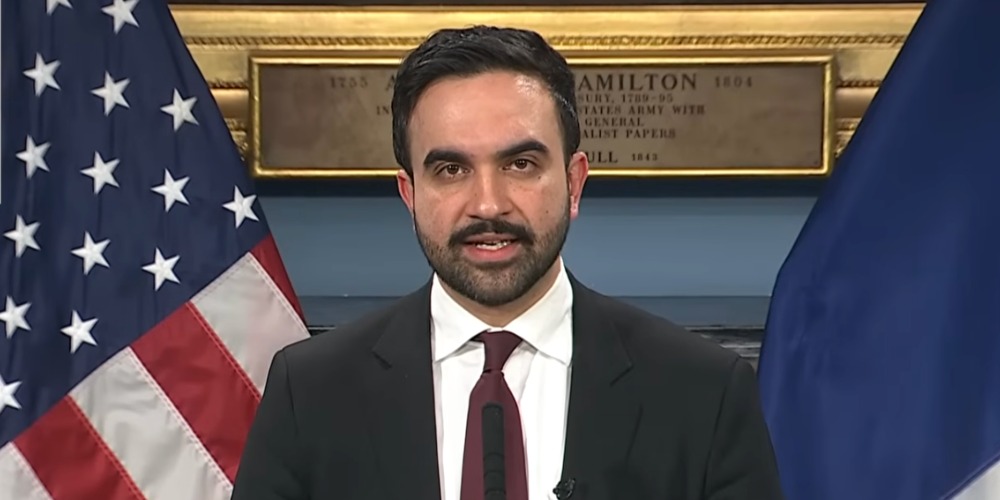
Despite critics' warnings of economic ruin for housing in New York if rent control was imposed, Mamdani went ahead with the decision to do so in June. He hailed the Rent Guidelines Board in New York for passing the campaign promise, saying, "This is a historic victory for New York City tenants. After reviewing the data and hearing from New Yorkers across the city, the independent RGB has delivered a freeze on one-year leases, and the first-ever freeze on two-year leases in our city’s history."
He said in a video that all New Yorkers living in rent-stabilized apartments will not see a rent increase in 2027. The board meets on an annual basis to set rents for rent-stabilized apartments, which impacts around 1 million apartments citywide. This year, however, the board voted not to increase the rent at all.
This is despite a report from the board released in April that said that rent-stabilized housing insurance increased by 10.5 percent in 2026 year over year and that other costs increased as well.
The impact of rent control can increase demand as more people are looking for cheaper housing, as well as decrease supply, as more landlords do not see the investment as worth the risk as margins may be tighter, and therefore do not build more housing. Both components, if carried out in this fashion, raise prices for housing that is not rent-controlled.
Powered by The Post Millennial CMS™ Comments
Join and support independent free thinkers!
We’re independent and can’t be cancelled. The establishment media is increasingly dedicated to divisive cancel culture, corporate wokeism, and political correctness, all while covering up corruption from the corridors of power. The need for fact-based journalism and thoughtful analysis has never been greater. When you support The Post Millennial, you support freedom of the press at a time when it's under direct attack. Join the ranks of independent, free thinkers by supporting us today for as little as $1.
Remind me next month
To find out what personal data we collect and how we use it, please visit our Privacy Policy





Comments