
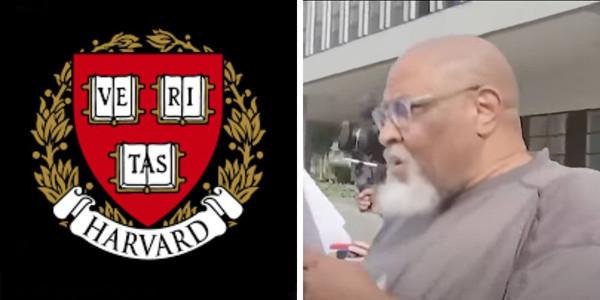
"It had a legal obligation to provide for the dignified treatment and disposal of the donated human remains, and failed miserably in this regard, as Harvard itself recognized."

In a unanimous decision, Justice Scott Kafker wrote that a lower court judge erred in dismissing the lawsuits, saying the plaintiffs had sufficiently alleged that Harvard failed to act in good faith in handling the remains.
"It had a legal obligation to provide for the dignified treatment and disposal of the donated human remains, and failed miserably in this regard, as Harvard itself recognized," Kafker wrote.
The lawsuits center around Cedric Lodge, a former morgue manager who pleaded guilty in May to transporting stolen goods across state lines. Prosecutors said Lodge began stealing body parts in 2018, such as heads, brains, skin, and organs, and transported them from Harvard to his home in Goffstown, New Hampshire, where he and his wife sold them.
According to Reuters, Harvard Medical School said in a statement that Lodge’s actions were "abhorrent and inconsistent with the standards and values that Harvard, our anatomical donors, and their loved ones expect and deserve."
12 lawsuits representing 47 relatives of individuals whose bodies were donated to the school accuse Harvard of negligence, claiming the university ignored warning signs and failed to establish safeguards that could have prevented Lodge’s crimes. Plaintiffs argue that Harvard turned a blind eye for years, as Lodge was not indicted until 2023.
A lower court judge had dismissed the suits last year, ruling that Harvard was immune from liability if it attempted to act in good faith to comply with state laws regarding the donation of human bodies for research. But Justice Kafker and the state’s highest court disagreed, finding that the plaintiffs presented a plausible case that Harvard did not act in good faith and failed to implement systems that would have prevented Lodge from dismembering and selling body parts or bringing buyers into the morgue.
Powered by The Post Millennial CMS™ Comments
Join and support independent free thinkers!
We’re independent and can’t be cancelled. The establishment media is increasingly dedicated to divisive cancel culture, corporate wokeism, and political correctness, all while covering up corruption from the corridors of power. The need for fact-based journalism and thoughtful analysis has never been greater. When you support The Post Millennial, you support freedom of the press at a time when it's under direct attack. Join the ranks of independent, free thinkers by supporting us today for as little as $1.
Remind me next month
To find out what personal data we collect and how we use it, please visit our Privacy Policy




Comments