
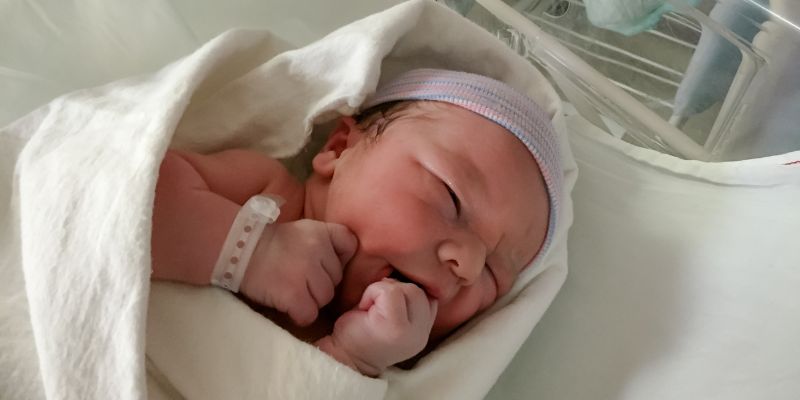
"This finding suggests that a pattern of ARGs is already established at this stage."

Scientists previously believed newborn gut microbiomes were nearly sterile, with bacteria mainly entering during birth or breastfeeding. However, new evidence challenges this understanding, according to research presented to the European Society of Clinical Microbiology and Infectious Diseases Global this year.
Researchers examined stool samples from 105 infants in neonatal intensive care within 72 hours of birth to capture early microbial exposure. AGRs are segments of DNA that help bacteria survive the effects of antibiotics, and were discovered in newborns, potentially allowing bacteria to evade treatment, which could impact the newborns' long-term health.
The findings from the study suggest that newborn gut microbiomes may be exposed to bacteria during pregnancy through maternal and environmental factors. Scientists also found various genes associated with resistance to commonly used antibiotics.
"This finding suggests that a pattern of ARGs is already established at this stage," lead author Dr. Argyro Ftergioti said in a press release.
"The neonatal gut harbors a diverse resistome, and the presence of clinically important ARGs so early in life is concerning," he said. The study identified links between resistance genes and maternal hospitalization during pregnancy or central venous catheter placement within the first 24 hours after birth.
"Although some ARGs were expected, their high prevalence across the majority of samples was striking," Ftergioti added.
While gut bacteria are crucial for developing immune, digestive, and nervous systems, healthy microbiomes protect against infections, allergies, and chronic diseases like asthma, ADHD, and diabetes.
"While further research is needed to understand how early carriage of resistance genes affects microbiome development and infection risk, these findings highlight the importance of surveillance, infection prevention and control in neonatal care," Ftergioti said.
Powered by The Post Millennial CMS™ Comments
Join and support independent free thinkers!
We’re independent and can’t be cancelled. The establishment media is increasingly dedicated to divisive cancel culture, corporate wokeism, and political correctness, all while covering up corruption from the corridors of power. The need for fact-based journalism and thoughtful analysis has never been greater. When you support The Post Millennial, you support freedom of the press at a time when it's under direct attack. Join the ranks of independent, free thinkers by supporting us today for as little as $1.
Remind me next month
To find out what personal data we collect and how we use it, please visit our Privacy Policy







Comments