67% of increase in demand for rentals due to foreign-born, skyrocketing prices: HUD
The increase took place between 2022 and 2024.
The increase took place between 2022 and 2024.
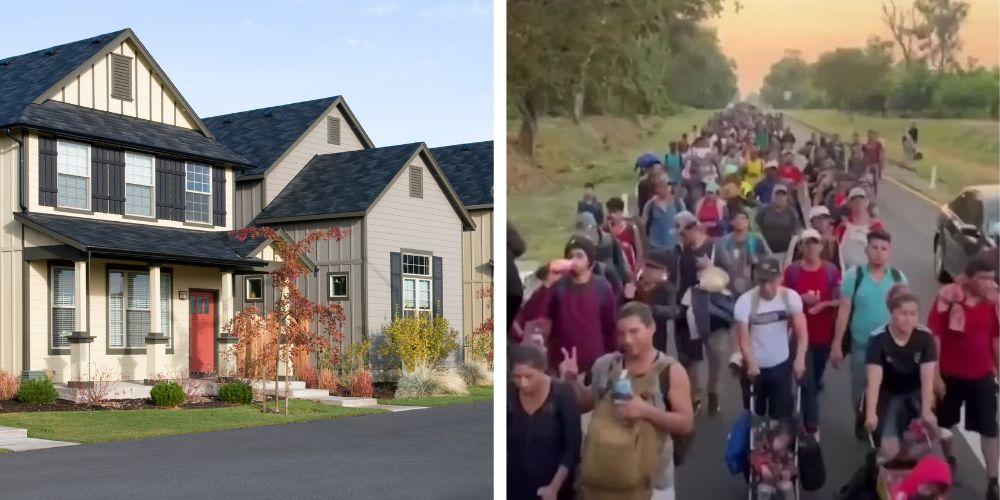
From 2022 to 2024, two-thirds of the rental demand in the United States was attributable to the foreign-born population in the US. This comes as rental prices have been outpacing inflation numbers.
According to the Housing and Urban Development's (HUD) recently released "Worst Case Housing Needs Report," which is published every two years, the foreign-born population accounted for over 60 percent of all rental demand in the US.
"Immigration accounts for up to 100 percent of housing demand growth in some regions, and for two-thirds of rental demand growth nationwide. In California and New York, immigrants have accounted for 100 percent of all rental growth and over one-half of all growth in owner-occupied housing in recent years," HUD added.
The report is the agency's flagship assessment on housing status for lower-income Americans and the affordability of housing. It was found that the heavy influx of foreign nationals in the US has strained the housing industry, pushing rental prices higher. In places like California and New York, the immigrant population accounted for 100 percent of all rental growth.
According to the report on housing, "Between 2021 and 2024, the foreign-born population of the United States increased by more than 6 million—the largest such increase over such a short period in American history." The foreign-born population now stands at around 53 million people living in the US.
The report further adds that in the last year, "economic growth has been insufficient to lift the wages of low-income renting families high enough to make rent affordable," and record immigration numbers have "continued to place upward pressure on rent prices” in the US.
Without the upward pressure from high immigration, housing inventory pressure and demand for rent would have been much lower, and prices would not have climbed as sharply in recent years. The report added that around 784,000 fewer households would have formed in the same period if immigration had stayed consistent.
The growth in households from the foreign-born population "was 13 percent between 2019 and 2023 compared to 7 percent between 2015 and 2019," the report adds.
Libby’s Desk
Commentary and must-reads from Libby’s desk, straight to your inbox.
TPM Newsletter
The Post Millennial’s top stories, delivered to your inbox.


