Seattle’s iconic Pike Pub set to close as costs increase
“The Pike Pub helped define what a Seattle craft brewery could be.”
“The Pike Pub helped define what a Seattle craft brewery could be.”
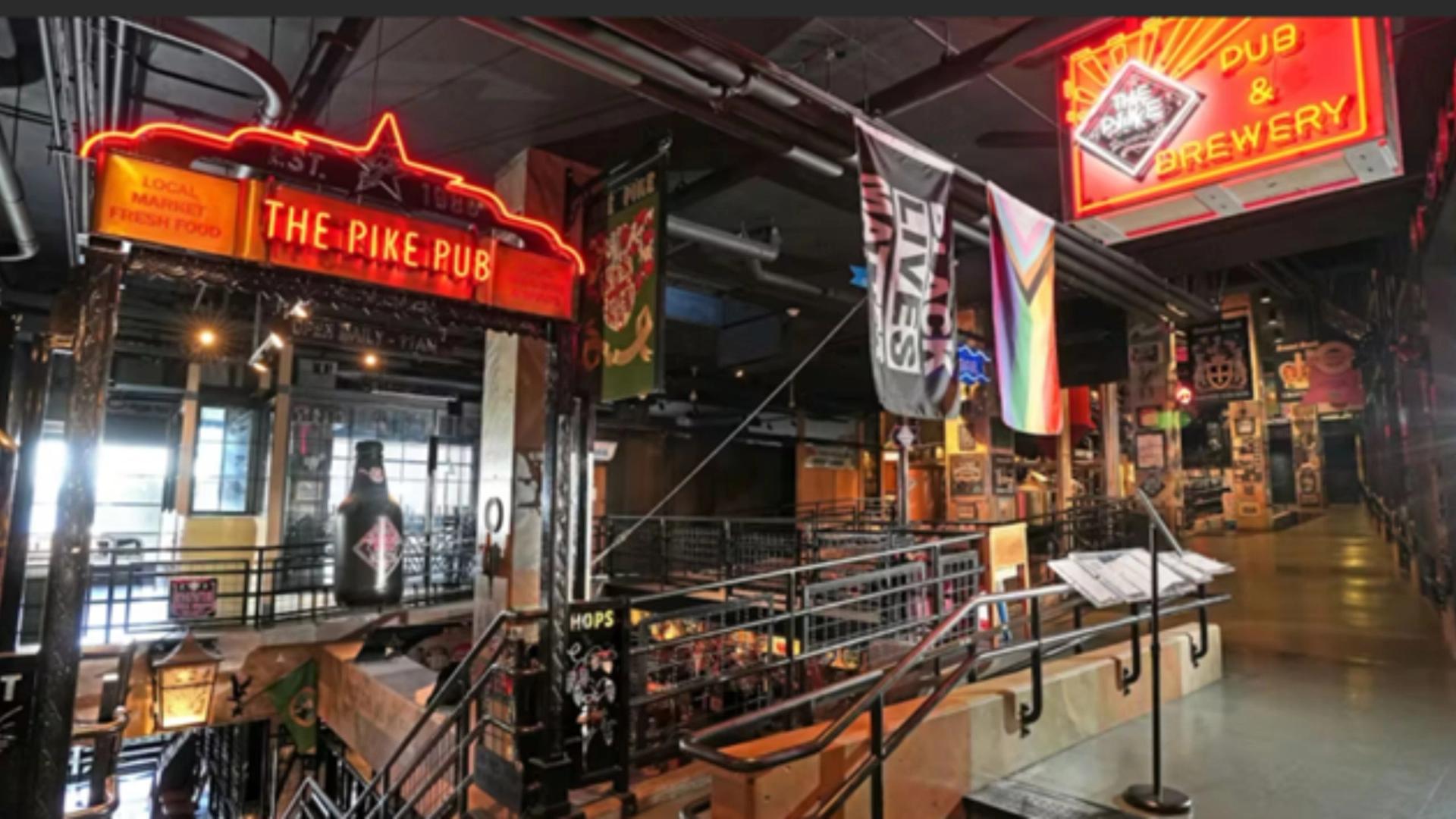
Pike Brewing will close its longtime Pike Pub and the adjacent Pike Fish Bar near Seattle’s iconic Pike Place Market on Nov. 30, ending a 35-year run for one of the Emerald City’s most recognizable craft-beer destinations. The company announced the decision on Wednesday, describing the move as a necessary step amid mounting challenges for the traditional pub model.
CEO Matt Lincecum told KING 5 that shifting economic realities made the pub increasingly difficult to sustain. “The traditional pub model had become difficult to sustain, and this closure is a necessary business decision,” he said. The brewery plans to mark its final day of service with discounted pours at the First Avenue taproom, which first opened in 1989.
Although the flagship pub is closing, Pike Brewing will continue producing beer at its SODO facility and will maintain its outpost within the Summit Seattle Convention Center. The brewery, founded by Charles and Rose Ann Finkel, was acquired in 2021 by Seattle Hospitality Group (SHG), which expanded its beverage portfolio again in 2024 by purchasing Fremont Brewing. SHG also holds stakes in Kenmore Air and Ethan Stowell Restaurants.
“The Pike Pub helped define what a Seattle craft brewery could be,” Lincecum said. “As Pike Brewing looks ahead, we’re focusing on what we do best, brewing exceptional beer and delivering it to friends and fans across the Pacific Northwest.”
The closure marks another significant change for Pike Brewing, which moved production operations to SODO in October 2023, a shift founder Charles Finkel described as “not made lightly.” The company shuttered its Ballard taproom the following year. The future of the 1415 First Avenue space, owned by Unico Properties since 2013, remains uncertain.
Daniel Olson, executive director of the Washington Brewers Guild, told the outlet that economic pressures facing brewers are intensifying. “We’re seeing rising ingredient costs, tighter margins, increased taxes, and tariffs,” he said. “It’s hard for craft breweries, small businesses in general, to keep the lights on.”
Pike Brewing’s announcement joins a growing list of businesses retreating from Seattle’s urban core. Whole Foods Market permanently closed its Capitol Hill store on June 20. Amazon shut down its Amazon Fresh grocery store on Pike Street in April, citing ongoing performance challenges.
These departures echo a broader pattern of retail and hospitality contraction, as companies point to climbing operating costs, persistent property crime, labor instability, and worsening street conditions.
James Beard Award–winning chef Renee Erickson recently announced closures of two General Porpoise café locations and temporary shutdowns of her restaurants Bateau and Boat Bar, all citing similar pressures. Major brands such as Nike, Target, and the Hard Rock Café have also exited downtown in recent years. Several Amazon Go locations were shuttered due to underperformance.
Concerns about public safety and overall urban livability are now influencing major corporate decisions. Microsoft recently informed Visit Seattle that it will relocate its 2026 Build developer conference, releasing future bookings tied to the event. Tourism officials have warned that such moves could have a ripple effect on the city’s convention economy.
Starbucks has also closed multiple locations in Seattle over the past few years, including a consistently busy store in a prominent tourist corridor earlier this year. In 2022, then-CEO Howard Schultz publicly attributed several closures to safety concerns and criticized elected officials for insufficient action on crime and behavioral-health challenges.
Libby’s Desk
Commentary and must-reads from Libby’s desk, straight to your inbox.
TPM Newsletter
The Post Millennial’s top stories, delivered to your inbox.


