States push back on sending voter data to feds in letter to DOJ and DHS
The DOJ has previously sued Oregon and Maine for declining to provide confidential voter data.
The DOJ has previously sued Oregon and Maine for declining to provide confidential voter data.
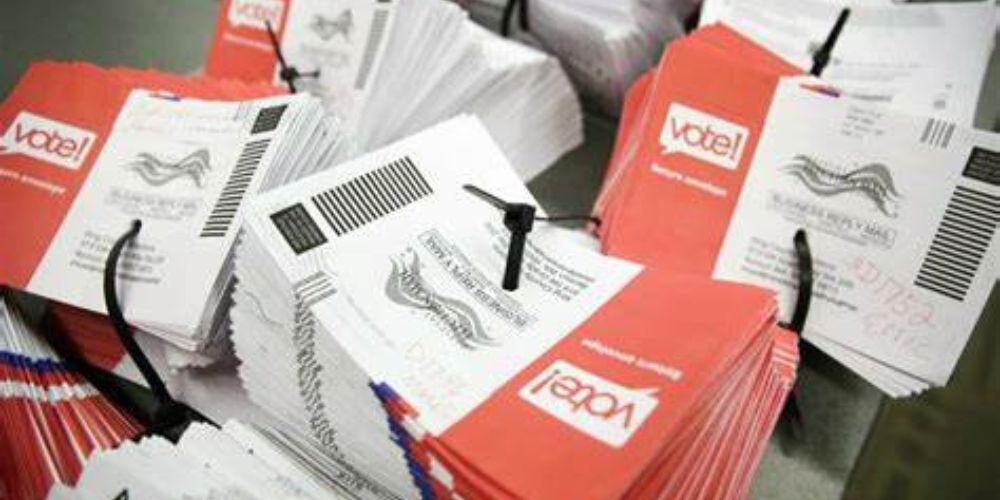
Secretaries of State from 10 states sent a joint letter on Tuesday to Attorney General Pamela Bondi and Secretary of Homeland Security Kristi Noem seeking clarification about recent federal requests for statewide voter registration data and the manner in which that information is being used.
The officials said they were concerned about misleading and contradictory statements from the Department of Justice (DOJ) and the Department of Homeland Security (DHS) regarding the collection and sharing of voter information.
In the letter, the Secretaries said that in recent months, each of their states received requests from the DOJ for full voter-registration lists. In some instances, the federal government sought unredacted data, including dates of birth, driver’s license numbers, and the last four digits of Social Security numbers. The Secretaries called the scope of these requests “unprecedented” and said they needed to know how the federal government intended to use, secure, and distribute such information.
According to the letter, federal officials provided inconsistent information during two meetings arranged by the National Association of Secretaries of State. On August 28, DOJ official Michael Gates said the data would be used to review state compliance with the Help America Vote Act (HAVA) and the National Voter Registration Act (NVRA).
At a September 11 meeting, DHS representative Heather Honey said DHS had neither received nor requested voter information and had no intention of using it. That same day, DHS publicly confirmed it had received the data and planned to input it into the SAVE system, which is used for citizenship verification.
The Secretaries said these discrepancies raised legal and privacy concerns. They asked the DOJ and DHS to clarify whether voter data had been shared with any other agencies, which specific data fields were involved, what legal authorities governed the transfers, what records systems were being used, how the information would be protected, and how it would be used.
The November 18 letter comes amid a broader series of disputes between states and the federal government over access to voter-registration records. On September 8, the DOJ sent Washington State a demand for voter-registration data, including names, addresses, dates of birth, and partial Social Security or driver’s license numbers, with a 14-day deadline for compliance. The DOJ said the request was intended to ensure voter-roll accuracy and identify ineligible registrations, including deceased voters or non-citizens.
Washington Secretary of State Steve Hobbs declined to provide the requested confidential information. Hobbs said he would turn over publicly available voter data, including names, addresses, gender, years of birth, voting history, registration dates, and registration numbers, but would not release dates of birth, driver’s license numbers, or Social Security information, citing state and federal law.
“As Washington state’s chief elections officer, I take my duty to protect voters and the sensitive information they entrust to the state very seriously,” Hobbs said in a statement. “While we will provide the DOJ with the voter registration data that state law already makes public, we will not compromise the privacy of Washington voters by turning over confidential information that both state and federal law prohibit us from disclosing.”
In his response to the DOJ, Hobbs questioned whether federal list-maintenance oversight was the department’s true motivation. He wrote that the information Washington was willing to provide “should be more than sufficient to assess Washington’s list maintenance efforts” and expressed concern that the federal government might share confidential data with DHS.
The DOJ has previously sued Oregon and Maine for declining to provide confidential voter data. DOJ officials have said the department’s efforts are aimed at ensuring state compliance with the NVRA and HAVA’s list-maintenance requirements. The Secretaries who signed the November 18 letter requested written responses from federal officials by December 1.
Libby’s Desk
Commentary and must-reads from Libby’s desk, straight to your inbox.
TPM Newsletter
The Post Millennial’s top stories, delivered to your inbox.


