Teens increasingly use SSRIs—drug may decrease their sex drive for years after
When Marie was prescribed the medication, she “wasn’t informed about sexual side effects.”
When Marie was prescribed the medication, she “wasn’t informed about sexual side effects.”
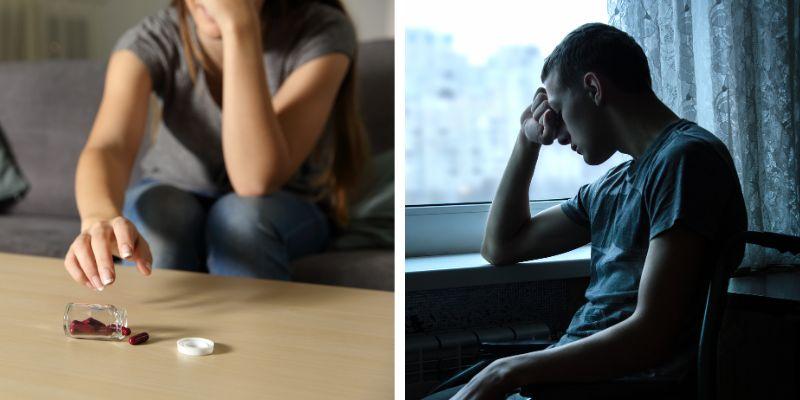
An increasing number of teenagers are getting put on antidepressant medications such as selective serotonin reuptake inhibitors (SSRIs), but the impacts of the medication have the risk of disrupting their sex lives for years, even after they stop taking the drug.
SSRIs come with a myriad of risks, including side effects of low libido. In one case cited by the New York Times, a girl named Marie started taking the antidepressants when she was 15 as part of an outpatient program after she was diagnosed with an eating disorder.
“I was in touch with initial sparks of sexual energy relatively young,” the woman said, now 38 years old. However, after taking the drug, she said that she stopped developing crushes for boys and added that when she was prescribed the medication, she "wasn’t informed about sexual side effects."
Now, like many others who have undergone similar circumstances, Marie said she now has PSSD, or post-SSRI sexual dysfunction. The designation has some pushback from some in the medical community, because just as anti-depressants can dull libido, so can anxiety, depression and other mental health issues.
However, there has been a push for the official recognition of PSSD. The most recent edition of the Diagnostic and Statistical Manual of Mental Disorders, the DSM-5, states, “In some cases, serotonin-reuptake-inhibitor-induced sexual dysfunction may persist after the agent is discontinued." For men, the symptoms can include erectile dysfunction.
The commonality of the condition after taking SSRIs is not known, as research has been limited in the space. The Times spoke to 20 people who have experienced PSSD. In speaking with those who had experienced the condition, the Times reported that the impacts of SSRIs, if taken in the teenage years, could be interfering with the development of sexual function when hormones are spiking.
This all comes as the use of SSRIs with young people has become more and more common, with 2 million 12- to 17-year-olds in the US being put on the drugs. Between the years of 2016 and 2022, the rate of antidepressants dispensed to teenagers rose by 69 percent.
The trend increased with the Covid-19 pandemic, however, rates of antidepressant use were already rising, per figures from Statista, with around 1 in 10 females taking an antidepressant in 2019. In a survey of college students in 2023 to 2024, with over 100,000 participants, 22 percent said they had taken an antidepressant in the previous year.
Libby’s Desk
Commentary and must-reads from Libby’s desk, straight to your inbox.
TPM Newsletter
The Post Millennial’s top stories, delivered to your inbox.


