
"Despite a previous conviction for the same offence, you came back to this country and did it again… but on a much larger scale…"

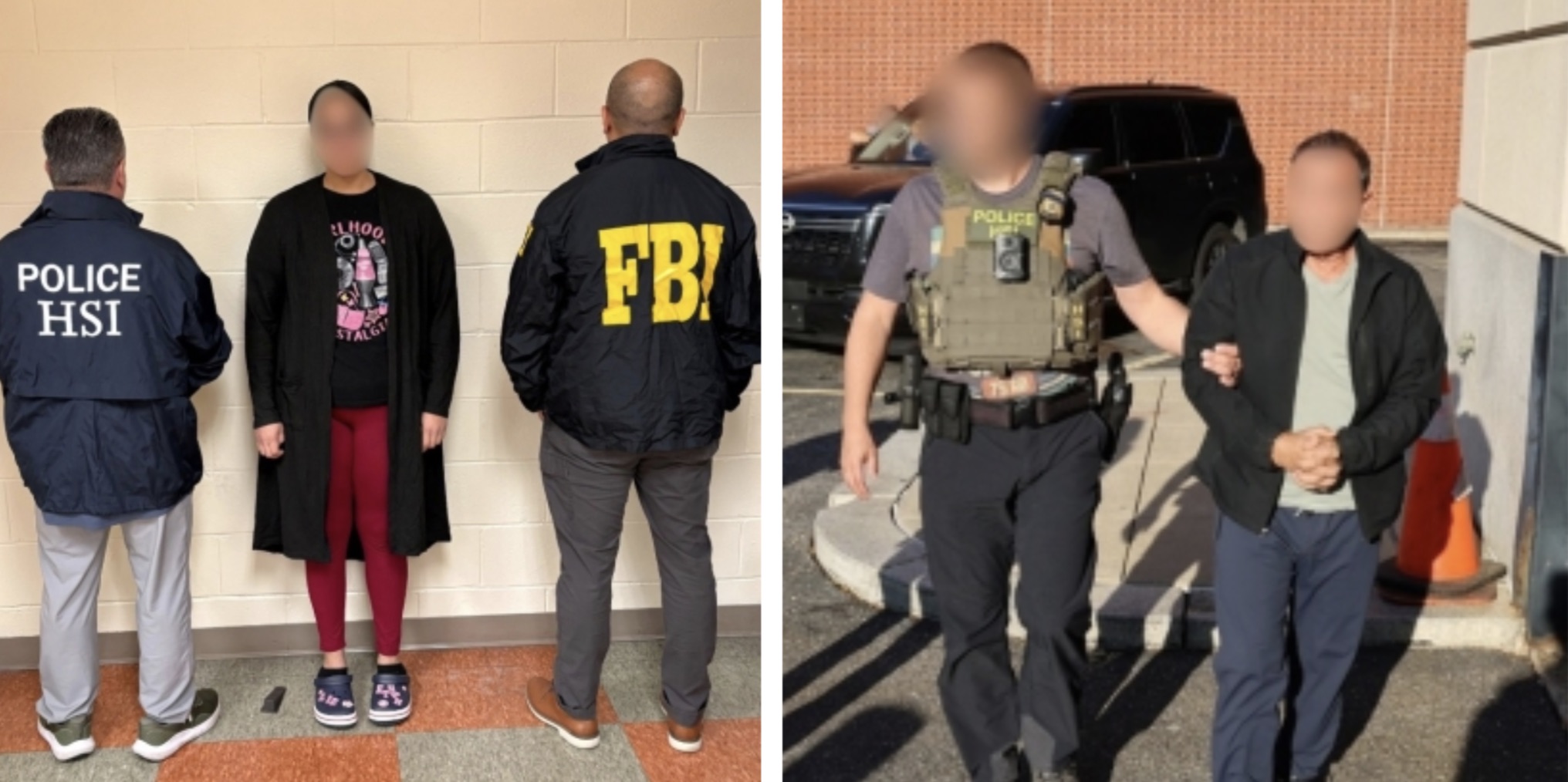
Isai Gamboa Pacheco, 56, of Everett, was sentenced Thursday in US District Court in Seattle after pleading guilty to conspiracy to distribute controlled substances and being an illegal alien in possession of a firearm. Federal prosecutors said Gamboa Pacheco had previously been convicted of drug trafficking and was removed to Mexico before illegally returning to the United States, and resuming in trafficking large quantities of narcotics.
Co-defendant Sang Tran, 55, of Kent, was sentenced to 66 months in federal prison after pleading guilty to drug trafficking and money laundering charges stemming from the same investigation. At Gamboa Pacheco's sentencing, US District Judge Tana Lin pointed to his criminal history and return to the drug trade despite his prior conviction and deportation.
"Despite a previous conviction for the same offence, you came back to this country and did it again… but on a much larger scale…. You were a source of a significant amount of cocaine to members of this community. Cocaine is one of the most common drugs involved in overdose deaths. What you did contributed to that suffering."
According to federal prosecutors, Gamboa Pacheco has no legal status in the United States and had previously been removed to Mexico following an earlier drug trafficking conviction. In seeking a longer prison sentence, prosecutors argued that despite serving a substantial prison sentence and being deported, he voluntarily returned to the United States and resumed trafficking narcotics solely for personal profit.
The prosecution was conducted as part of the Homeland Security Task Force (HSTF), a federal initiative established under President Donald Trump's Executive Order 14159 to dismantle transnational criminal organizations, combat drug trafficking networks, and remove violent criminal aliens from the United States.
The investigation began in November 2023, when the Seattle Police Department, FBI, and Drug Enforcement Administration targeted organizations distributing fentanyl, methamphetamine, cocaine, and heroin in Seattle's homeless encampments and open-air drug markets, including the area around 12th Avenue South and South Jackson Street in the Chinatown-International District.
"Both these defendants had one job and one job only – selling large amounts of meth and cocaine for distribution in the areas of our community plagued by crime and unhoused, vulnerable people dealing with addiction," First Assistant U.S. Attorney Charles Neil Floyd said in a statement.
Floyd noted that Tran had prior arrests and that Gamboa Pacheco had previously been convicted of drug trafficking and removed from the United States before returning to continue his criminal activity. "Still, their greed kept them selling these poisons and carrying high-powered firearms to protect their drug trade," Floyd said.
Following an initial round of arrests in January 2025, investigators continued pursuing higher-level members of the trafficking organization, which routinely transported narcotics between Washington, Oregon, and California.
Wiretaps captured Gamboa Pacheco negotiating kilogram-level cocaine transactions with other traffickers.
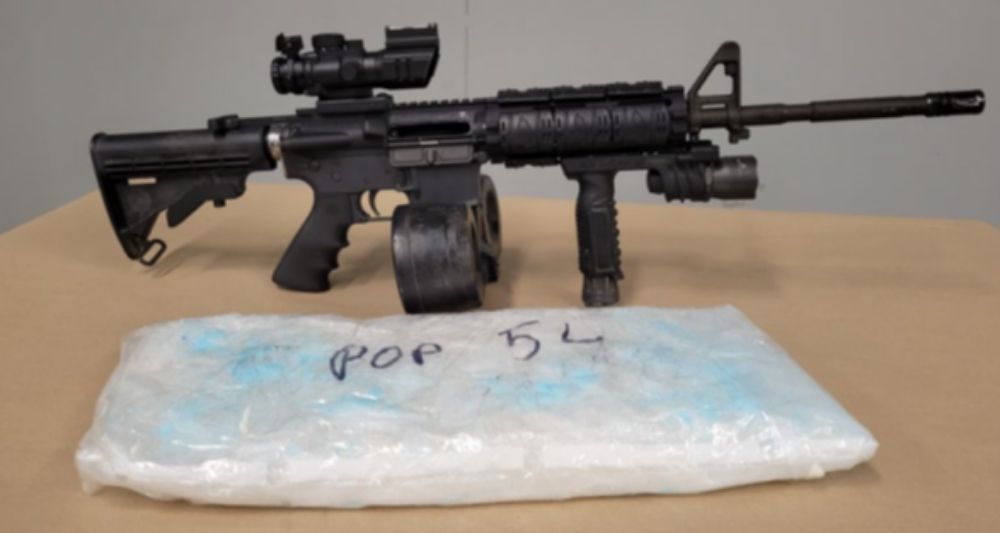
When federal agents executed a search warrant at his Everett residence, they recovered more than $16,000 in alleged drug proceeds. Searches of two of his vehicles uncovered additional evidence, including nearly three kilograms of methamphetamine inside a Honda, along with an unloaded Colt AR-15 rifle equipped with a drum magazine.
Because Gamboa Pacheco was illegally present in the United States following his prior deportation, he also pleaded guilty to being an alien in possession of a firearm.
In sentencing filings, prosecutors wrote that Gamboa Pacheco's prior conviction and deportation failed to deter him from returning to the United States and rejoining the drug trade.
"Even after being caught previously and after receiving a considerable prison sentence, he voluntarily re-engaged in drug trafficking activities solely for his personal profit. Moreover, while engaging in his drug trafficking activities, he obtained a firearm, knowing he could not legally possess it," prosecutors wrote.
Tran was arrested during the first phase of the investigation in January 2025. During that coordinated operation, law enforcement seized 17 firearms and approximately 23 kilograms of suspected narcotics. Investigators intercepted calls in which Tran arranged to purchase a pound of methamphetamine for redistribution. A search of his Kent residence uncovered approximately 330 grams of cocaine, a loaded Taurus 12-gauge shotgun, ammunition, cash, jewelry, Rolex watches, and two additional rifles stored in his garage.
According to prosecutors, Tran admitted he kept the firearms to protect both his drugs and drug proceeds. Tran also pleaded guilty to laundering tens of thousands of dollars in drug proceeds through a nail salon in an effort to conceal the source of the money.
"Mr. Pacheco and Mr. Tran sought to profit from the addictions and suffering of others by redistributing huge quantities of dangerous drugs, and both were found in possession of even more drugs, along with firearms, during searches of their residences," FBI Seattle Special Agent in Charge W. Mike Herrington said.
DEA Seattle Special Agent in Charge Robert Saccone said dismantling drug trafficking organizations remains a priority. "These defendants fueled addiction and violence by trafficking large quantities of fentanyl, methamphetamine, and cocaine while arming themselves with high-powered firearms," Saccone said. "Every drug trafficking organization dismantled, and every pound of poison seized makes our communities safer. DEA and our law enforcement partners are relentlessly disrupting the criminal networks, holding drug traffickers accountable, and working to build a Fentanyl Free America."
Authorities continued investigating the trafficking network after the January arrests, ultimately uncovering an organization that regularly transported drugs throughout the West Coast. In March 2025 alone, investigators seized 100 pounds of methamphetamine, 111 kilograms of cocaine, 19 kilograms of fentanyl powder, 250,000 fentanyl pills, and four kilograms of heroin with an estimated street value of nearly $3 million.
A second coordinated enforcement action on May 29, 2025, resulted in 16 search warrants executed across Washington, Oregon, and California. Authorities seized more than seven kilograms of cocaine, 18 kilograms of methamphetamine, more than 57,000 fentanyl pills, 17 firearms, and more than $353,000 in cash.
Powered by The Post Millennial CMS™ Comments
Join and support independent free thinkers!
We’re independent and can’t be cancelled. The establishment media is increasingly dedicated to divisive cancel culture, corporate wokeism, and political correctness, all while covering up corruption from the corridors of power. The need for fact-based journalism and thoughtful analysis has never been greater. When you support The Post Millennial, you support freedom of the press at a time when it's under direct attack. Join the ranks of independent, free thinkers by supporting us today for as little as $1.
Remind me next month
To find out what personal data we collect and how we use it, please visit our Privacy Policy


Comments