
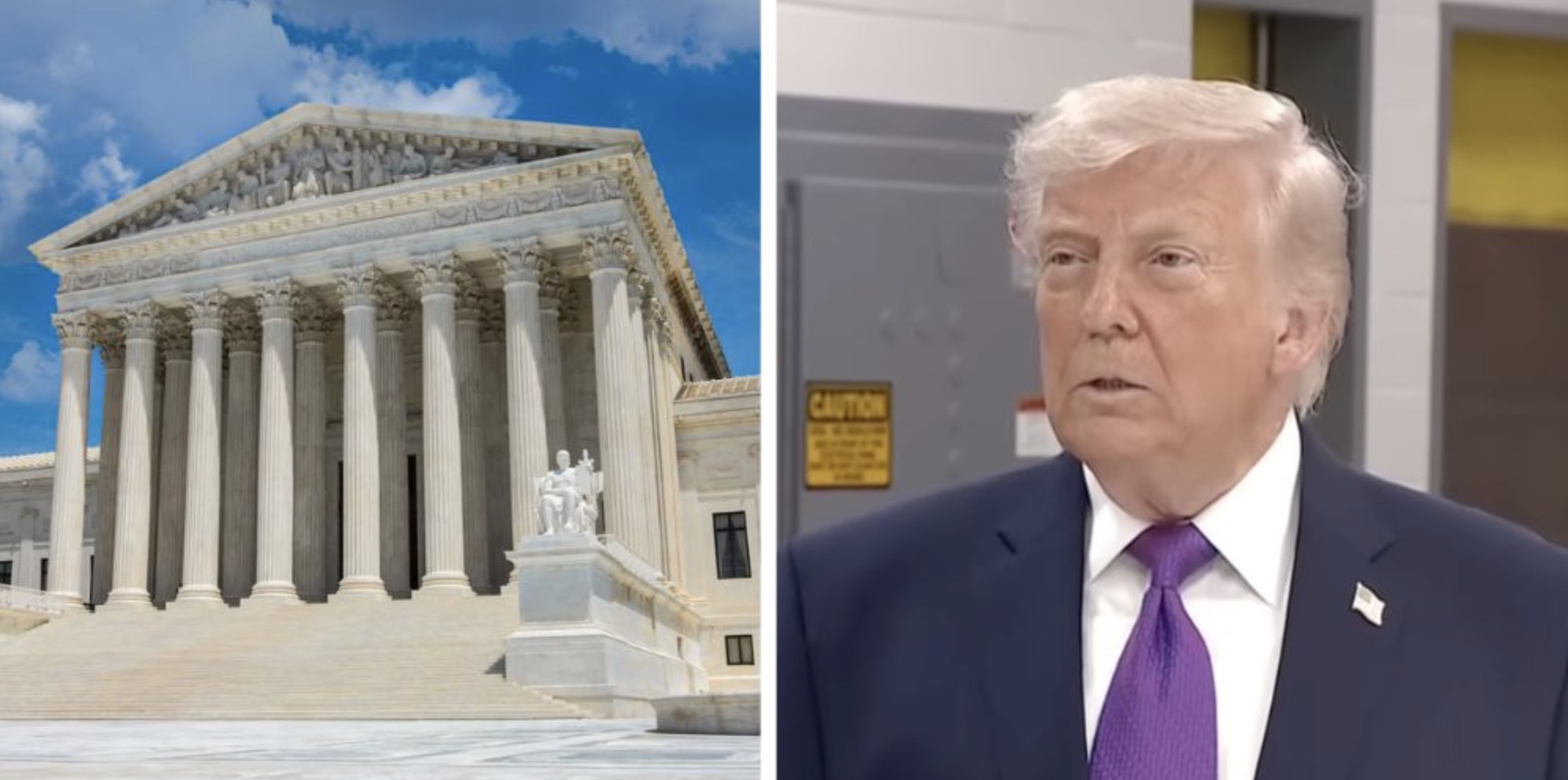
States will be able to continue using their existing mail-in ballot procedures for the 2026 midterms, without the Trump administration’s new USPS tracking and ballot-mail requirements.

In a brief unsigned order, the justices denied the Postal Service’s emergency request to stay a preliminary injunction issued by US District Judge Indira Talwani in Massachusetts. Justices Samuel Alito and Clarence Thomas dissented.
“The Government is unlikely to succeed on the merits of its challenge to the District Court’s preliminary injunction,” the majority stated. “And the equitable factors applicable for obtaining emergency relief from this Court do not favor a stay.”
The ruling means the new requirements will not be implemented for the Nov. 3 election while litigation continues in the US Court of Appeals for the First Circuit.
The Postal Service issued its final “Ballot Mail for Federal Elections” rule in August following President Donald Trump’s March executive order on election integrity. The rule was intended to improve the tracking of federal election mail and reduce the risk of election fraud.
Under the rule, envelopes containing federal mail-in or absentee ballots would have to meet several requirements, including displaying an Election Mail logo, being compatible with USPS high-speed processing equipment, and carrying a specialized barcode unique to each voter.
States would also have to submit information associated with voters and their ballots through a Postal Service portal and submit envelope designs to USPS for review. Mailings that failed to comply “will not be accepted and will be returned to the” state, which could then correct the errors and resubmit them.
Opponents, including Democratic-led states and voting-rights organizations, challenged the regulations shortly after they were finalized, arguing that imposing new requirements shortly before Election Day could disrupt ballot distribution.
Talwani initially issued a temporary restraining order and later converted it into a nationwide preliminary injunction preventing the rule from taking effect. The government then asked the Supreme Court to stay that injunction.
Justice Brett Kavanaugh agreed with the Supreme Court’s decision not to lift the injunction but wrote separately to make clear that the Postal Service could ultimately prevail on the underlying question of its legal authority.
Kavanaugh wrote that there was “at least a fair prospect that the final rule falls within the Postal Service’s statutory authority,” but concluded that implementing it for the 2026 elections would be “arbitrary and capricious” because state and local election officials did not have sufficient time to reasonably implement it before the elections. His concurrence leaves open the possibility that the requirements could survive legal challenges and be implemented in future elections.
Alito, joined by Thomas, argued that the Court should have allowed the rules to take effect, contending that some of the plaintiffs lacked standing and that the remaining states were pursuing a legal theory the Supreme Court has characterized as a “‘Hail Mary pass’” that “‘rarely succeeds.’”
Alito argued that Congress has given the Postal Service broad authority to regulate the mail, including the “collection, handling, transportation, delivery, forwarding, returning, and holding of mail.” He contended that requiring specialized envelopes and information about ballot recipients did not clearly exceed those powers.
Alito also disputed the argument that implementing the requirements before the midterms was impractical, noting that 12 states supported the rule in the lower court and said compliance was feasible.
He further argued that the states challenging the rule and the courts shared responsibility for its late rollout.
According to Alito, litigation began months before USPS issued its final rule and resulted in multiple injunctions, including restrictions the Supreme Court later determined were likely imposed without jurisdiction. The government had also said it wanted to issue the rule in early-to-mid August to provide additional implementation time.
“The plaintiff States cannot claim the timing of the rule tilts the equities in their favor when they, and courts hearing their claims, are responsible for so much of the delay,” Alito wrote.
The dispute is the latest stage of litigation stemming from Trump’s March executive order. An earlier challenge reached the Supreme Court before USPS finalized its regulations, but the Court stayed one of the injunctions after concluding the lawsuit was likely premature.
The underlying legal questions remain unresolved. The First Circuit will continue considering the government’s appeal, including the dispute over whether USPS has statutory authority to impose the requirements.
For the 2026 midterms, however, the Supreme Court’s decision means the new ballot-mail requirements will remain blocked and states will continue operating under existing procedures.
Powered by The Post Millennial CMS™ Comments
Join and support independent free thinkers!
We’re independent and can’t be cancelled. The establishment media is increasingly dedicated to divisive cancel culture, corporate wokeism, and political correctness, all while covering up corruption from the corridors of power. The need for fact-based journalism and thoughtful analysis has never been greater. When you support The Post Millennial, you support freedom of the press at a time when it's under direct attack. Join the ranks of independent, free thinkers by supporting us today for as little as $1.
Remind me next month
To find out what personal data we collect and how we use it, please visit our Privacy Policy

Comments