
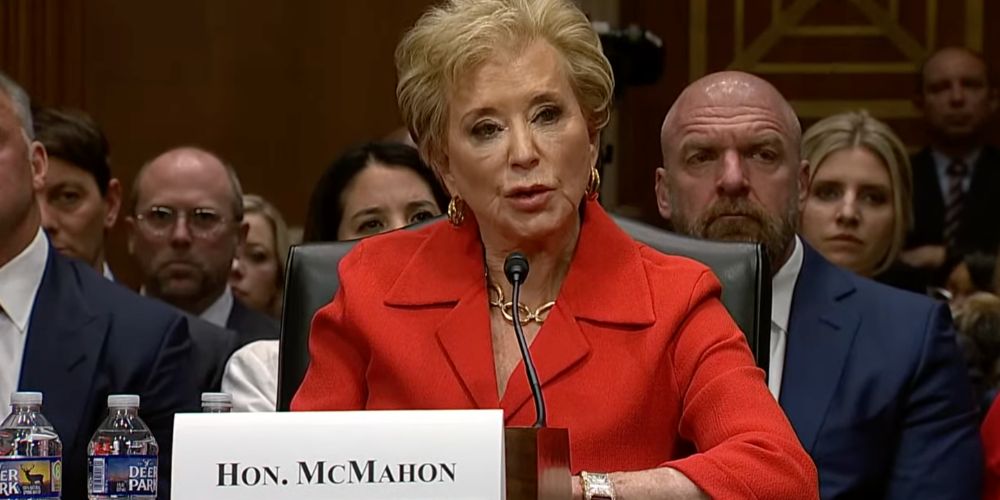
If the typical graduate of an undergraduate program does not earn as much as a high school graduate, the program will no longer be eligible for federal student loans.

The Department of Education, taking its cue from the Working Families Tax Cuts Act, is restricting loans for university programs in which graduates of those programs do not earn as much as high school graduates. The DOE writes "if the typical graduate of an undergraduate program does not earn as much as a high school graduate, the program will no longer be eligible for federal student loans. Graduate programs must similarly lead to earnings above those of an average bachelor’s degree holder. Programs that routinely fail to provide students with a reliable return on investment would lose access to federal student loans, and in certain cases, Pell Grants."
"The Trump Administration’s proposed accountability framework is grounded in common sense: if postsecondary education programs do not leave graduates better off, taxpayers should not subsidize them," said Under Secretary of Education Nicholas Kent. "This consensus-backed framework will drive meaningful change in postsecondary education, ending years of regulatory whiplash and addressing student debt that has left too many students worse off."
Programs at many colleges and universities have become a joke. Gender studies programs, degrees in critical theory or queer studies, have all been eligible for federal student loan dollars along with programs that offer degrees in hard sciences or even more traditional humanities programs. The cost of tuition at many American colleges and universities is at or over $60,000 per year.
Hampshire College in western Massachusetts is set to close at the end of the 2026 fall term due to an inability to make ends meet. That school has many courses that sound like they come from the mind of a satirist. Notable course offerings include: Gender & Culture in Game Development, Wool, Freedom Dreams, Debates in History, The Politics of Pop Culture, Queer University Studies, The Virgin Mary (suggesting she is not Catholic), Indigenous Nihilism, Deviant Bodies, Critical Indigenous Studies, Beings Together (on posthuman and/or multispecies scholarship), and Sex in the Archive.
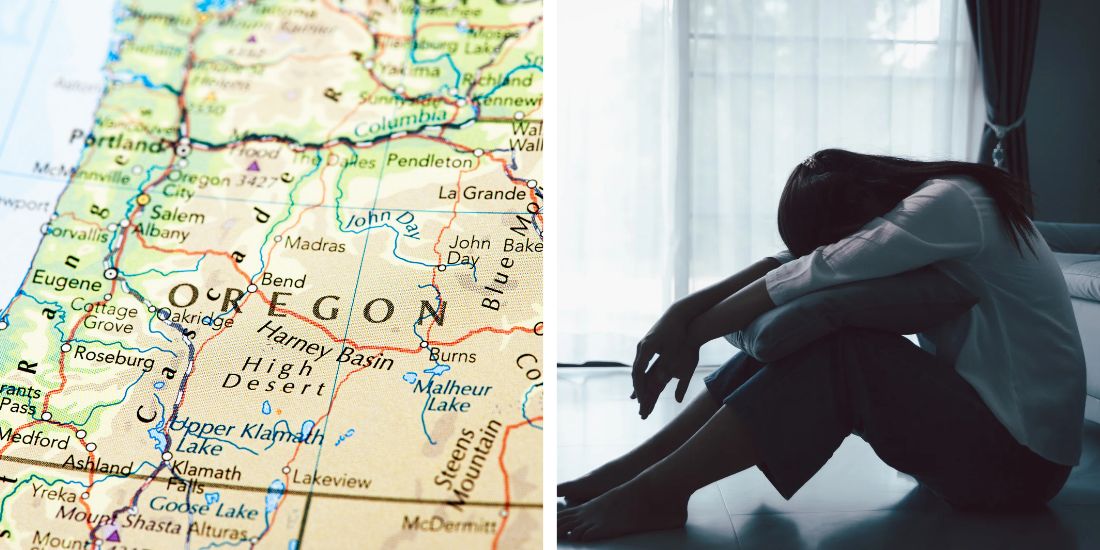
The New York Times recently reported that "a record number of student loan borrowers are in delinquency and default. Some are making the drastic decision to leave the country and abandon their loans." They cited a University of Oregon graduate in historical preservation who believes she was "misled" as to the value of her degree. Under the new DOE plan, colleges would not be able to mislead students about the value of their degrees and those students would be unable to take out debt loans to cover programs that would not result in careers that would enable those grads to pay the loans back.
Some of that default could come from a feeling among student borrowers that they should not have to pay back their loans. When he was president, Joe Biden announced the cancellation of $10,000 in student loan debt per borrower. He did not address lowering tuition costs, which have drastically increased the more federal money is poured into student loan programs.
At the time in 2022, Biden said that in his campaign for president, he "made a commitment. I made a comeback that we provide student debt relief. And I'm honoring that commitment today. Using the authority Congress granted the Department of Education, we will forgive $10,000 in outstanding federal student loans. In addition, students who come from low income families, which allowed them to qualify to receive a Pell Grant will have their debt reduced to $20,000."
He said that nearly 90 percent of those that would qualify for the relief make under $75,000 per year. The Trump administration would not like to see loans go for programs that prevent borrowers from paying back those loans. This could result in either those programs not being offered, the programs being filled only by those who have the money to pay for it, tuition being lowered, or private foundations covering the costs for programs they believe are worthwhile.
The public comment period on the rule change is currently open, and members of the public can submit their comments by May 20 on the proposed change through www.regulations.gov.
Reforms to Federal Student Loan Programs by The Post Millennial
Powered by The Post Millennial CMS™ Comments
Join and support independent free thinkers!
We’re independent and can’t be cancelled. The establishment media is increasingly dedicated to divisive cancel culture, corporate wokeism, and political correctness, all while covering up corruption from the corridors of power. The need for fact-based journalism and thoughtful analysis has never been greater. When you support The Post Millennial, you support freedom of the press at a time when it's under direct attack. Join the ranks of independent, free thinkers by supporting us today for as little as $1.
Remind me next month
To find out what personal data we collect and how we use it, please visit our Privacy Policy



Comments