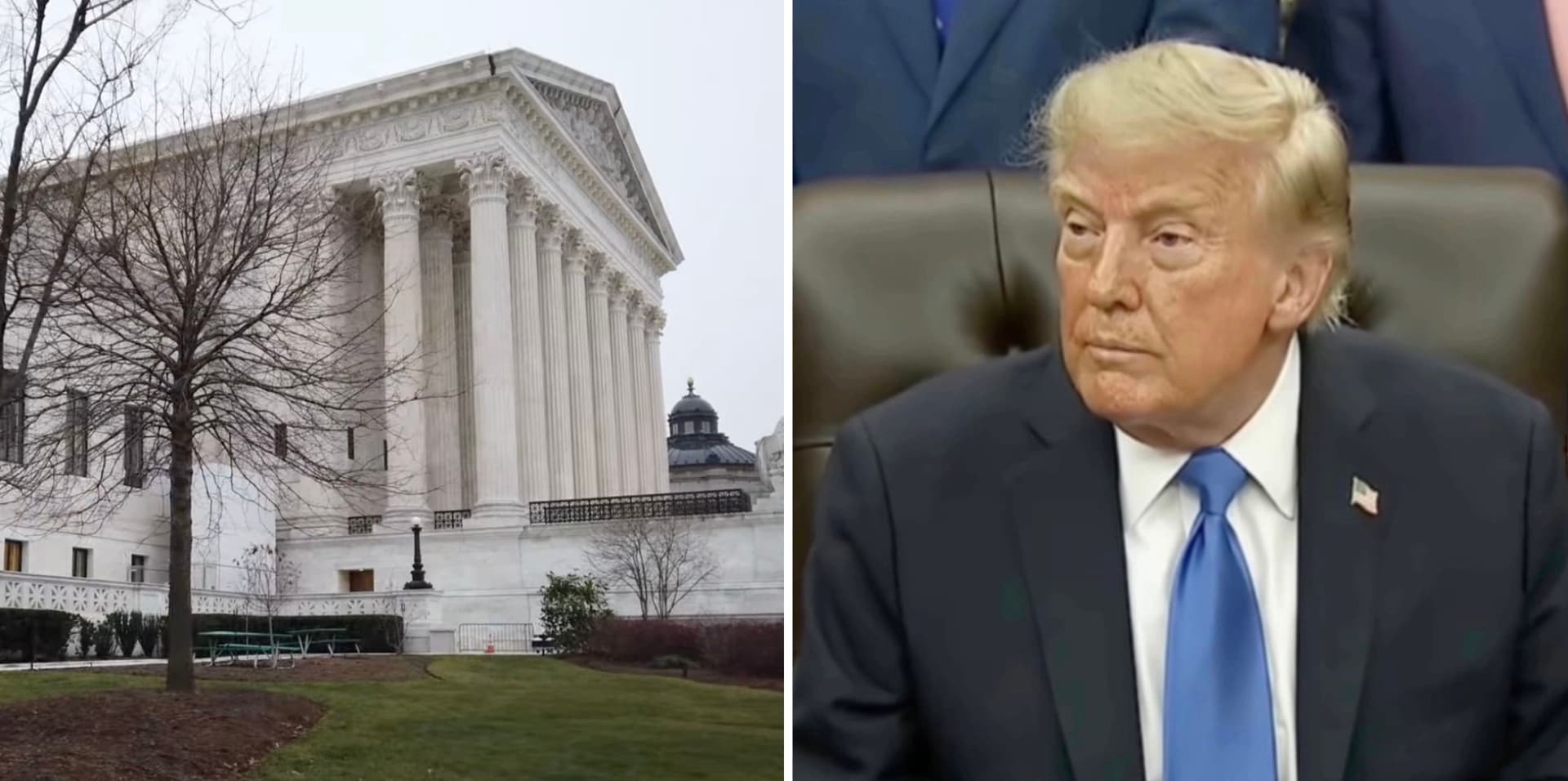
Trump admin bans Palestinian Authority passport holders from entering US
“Several US-designated terrorist groups operate actively in the West Bank or Gaza Strip and have murdered American citizens.”
“Several US-designated terrorist groups operate actively in the West Bank or Gaza Strip and have murdered American citizens.”
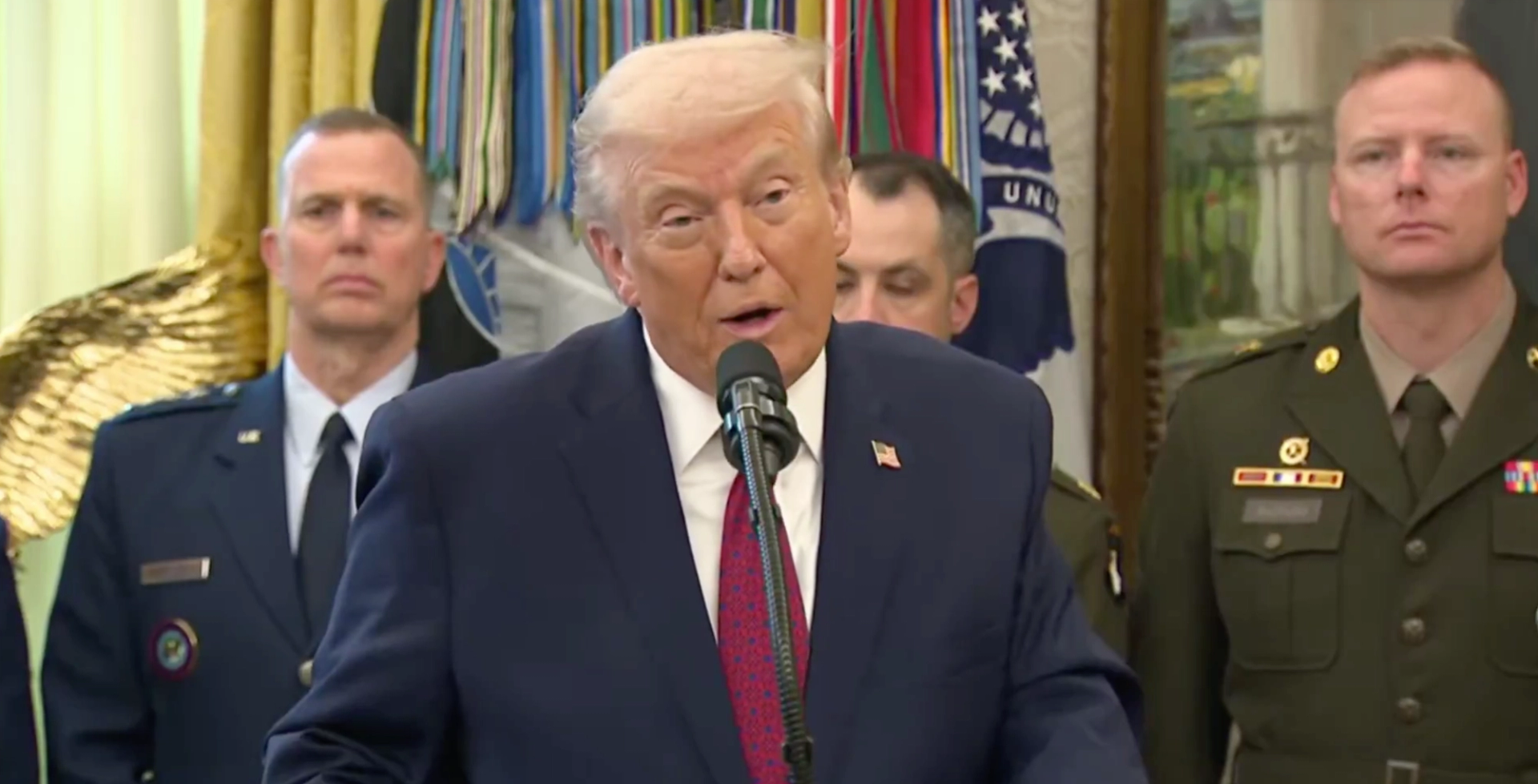
On Tuesday, President Donald Trump announced an expansion of the administration’s travel ban, adding Palestinian Authority (PA) passport holders to the list of people barred from entering the United States. The move also adds five additional nationalities to the full-entry ban and introduces partial restrictions on 15 more countries “to protect the security of the United States,” according to the White House.
The updated policy is scheduled to take effect on January 1, 2026. The announcement builds on a previous decision from June, when Trump said citizens of 12 countries would be banned from visiting the United States, and those from seven others would face heightened restrictions, reviving a signature immigration policy from his first term.
Loading this lets X set cookies and collect data.
View on XAlong with PA passport holders, Tuesday’s announcement said citizens from Burkina Faso, Mali, Niger, South Sudan, and Syria would be barred from entering the United States.
Loading this lets X set cookies and collect data.
View on XA White House fact sheet accompanying the decision cited concerns, including corruption, terrorism, and weaknesses in identity and documentation systems. It argued that several of the countries targeted “suffer from widespread corruption, fraudulent or unreliable civil documents and criminal records, and nonexistent birth-registration systems,” making accurate vetting difficult.
The fact sheet also referenced the ongoing conflict in Gaza and stated that “several U.S.-designated terrorist groups operate actively in the West Bank or Gaza Strip and have murdered American citizens,” and added that the recent war “likely resulted in compromised vetting and screening abilities.” It further claimed that the Palestinian Authority’s limited control over parts of the West Bank and Gaza made it difficult for US officials to reliably assess individuals traveling on PA-issued or PA-endorsed documents.
PA passports are most commonly held by Palestinians in Gaza. In the West Bank, where the Palestinian Authority is based, many Palestinians also hold Jordanian passports, complicating how the policy may affect travelers depending on what documents they use.
The travel ban expansion is part of a broader effort by the administration to tighten US entry standards for both travel and immigration. The White House pointed to recent security concerns, including the arrest of an Afghan national suspected in the shooting of two National Guard troops late last month. The suspect has pleaded not guilty to murder and assault charges.
The administration’s earlier ban included Afghanistan, Myanmar, Chad, the Republic of Congo, Equatorial Guinea, Eritrea, Haiti, Iran, Libya, Somalia, Sudan, and Yemen, with heightened restrictions placed on visitors from Burundi, Cuba, Laos, Sierra Leone, Togo, Turkmenistan, and Venezuela.
Loading this lets X set cookies and collect data.
View on XTrump’s first-term travel bans, particularly those affecting several Muslim-majority countries, prompted significant legal challenges in US courts led by then Washington Attorney General Bob Ferguson on behalf of the Council on American Islamic Relations. The group was labeled an unindicted co-conspirator in the Holy Land Foundation Trial, the largest terror financing trial in US history, by the Justice Department.
Loading this lets X set cookies and collect data.
View on XEarlier this fall, reports indicated the United States had quietly imposed a broad freeze on most visa types for applicants holding PA passports, including visas for medical treatment, university studies, business travel, and family visits. That reported freeze was said not to apply to individuals who already held valid visas, or to Palestinians with a second passport who applied using alternate travel documents.
Washington also announced that 15 additional countries will now face partial restrictions: Angola, Antigua and Barbuda, Benin, Côte d’Ivoire, Dominica, Gabon, Gambia, Malawi, Mauritania, Nigeria, Senegal, Tanzania, Tonga, Zambia, and Zimbabwe.
Libby’s Desk
Commentary and must-reads from Libby’s desk, straight to your inbox.
TPM Newsletter
The Post Millennial’s top stories, delivered to your inbox.