
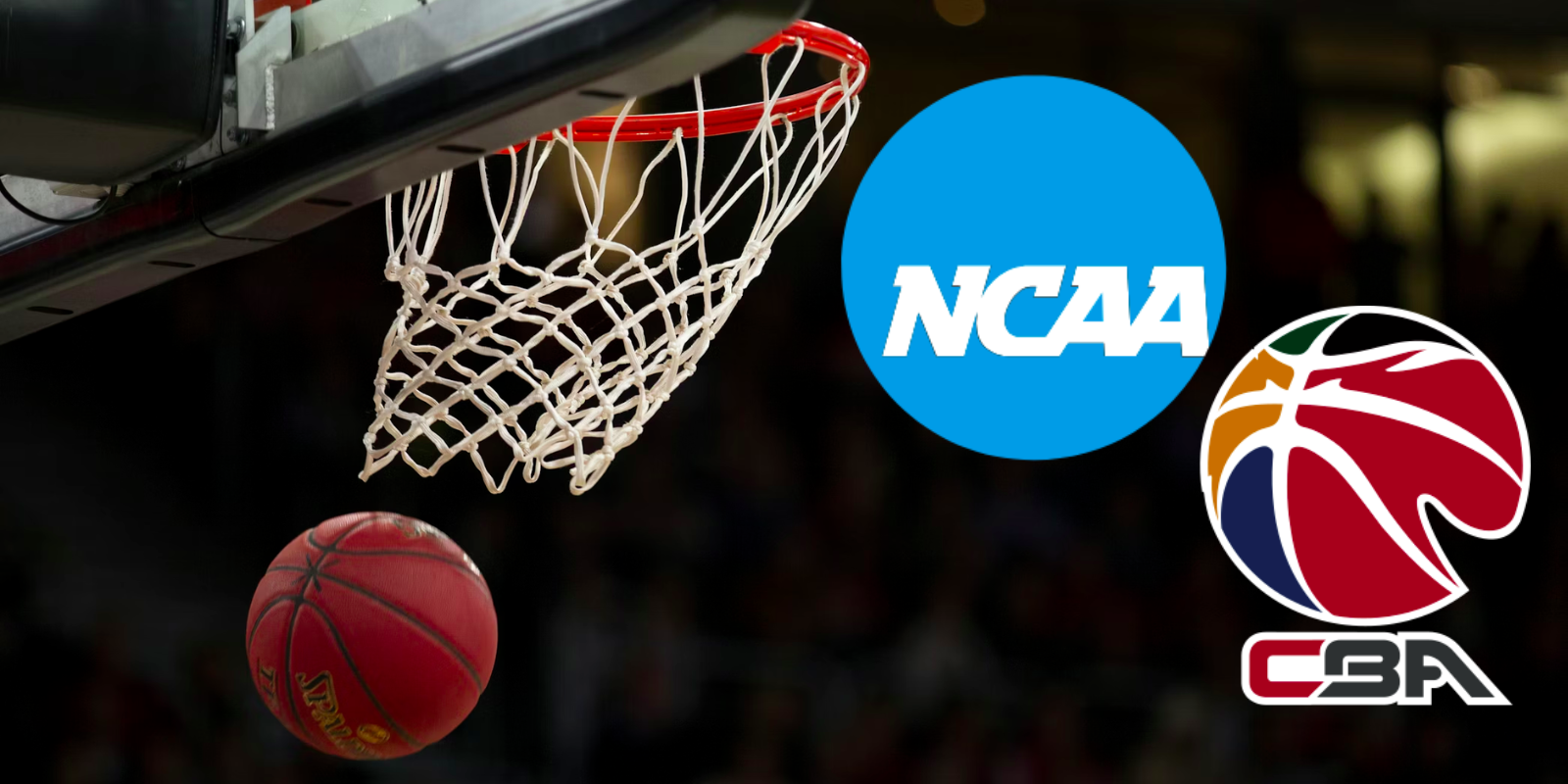
Bribe payments to players typically ranged from $10,000 to $30,000 per game, authorities said.

An indictment unsealed Thursday in federal court in Philadelphia alleges that more than a dozen college basketball players accepted bribes to deliberately underperform during games so that co-conspirators could place winning bets against their teams.
Prosecutors say the scheme defrauded sportsbooks and other bettors who were unaware games had been manipulated, reported the Associated Press.
According to court filings, the operation began overseas with fixed games in the Chinese Basketball Association in 2023. After those efforts proved profitable, organizers expanded into US college basketball, targeting NCAA games through at least January 2025. Bribe payments to players typically ranged from $10,000 to $30,000 per game, authorities said.
Of those charged, 15 were Division I players during the 2024–25 season, prosecutors stated.
Five others last competed in the NCAA during the 2023–24 season, while former NBA player Antonio Blakeney is accused of participating while playing professionally in China during the 2022–23 season.
Four players named in the indictment—Simeon Cottle, Carlos Hart, Oumar Koureissi, and Camian Shell—appeared in games for their current teams in recent days. Prosecutors said the alleged conduct involving those players does not relate to the current season.
The remaining defendants were described as fixers who facilitated the scheme. Prosecutors said that group included individuals involved in player training and development, a former coach, a former NCAA player, and several people characterized as gamblers, influencers, and sports handicappers.
In many cases, bets placed on the manipulated games paid out successfully, resulting in losses for sportsbooks, according to prosecutors. “The sportsbooks would not have paid out those wagers had they known that the defendants fixed those games,” the indictment states. Authorities added that other bettors lost money and would not have placed wagers had they known the games were compromised.
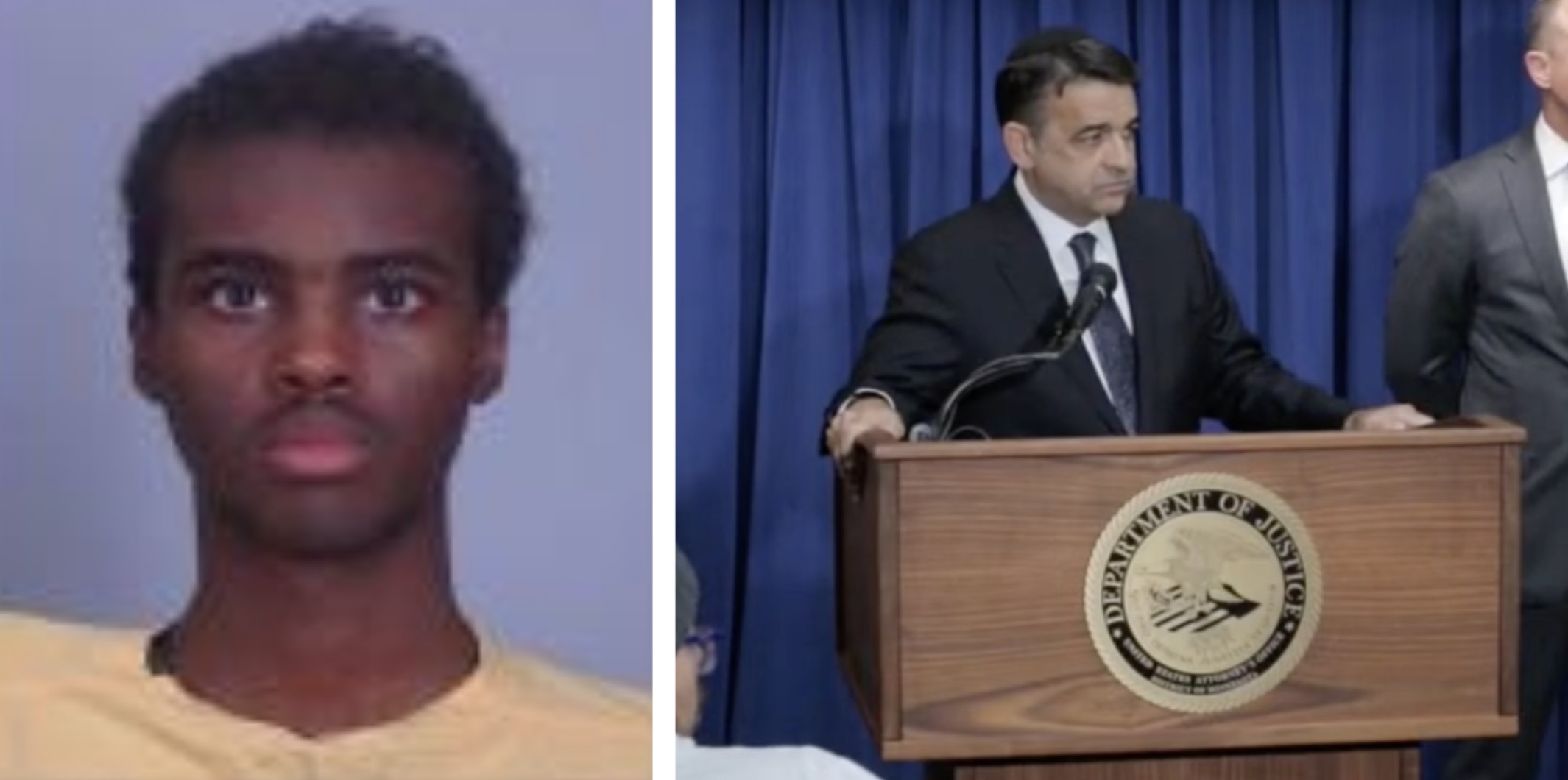
US Attorney David Metcalf described the case as an international criminal conspiracy and said it represented a serious breach of trust in competitive sports. The charges include bribery, wire fraud, and conspiracy.
The case follows a series of gambling-related scandals in college athletics. The NCAA has confirmed that at least 30 players have been investigated in recent years, with 10 receiving lifetime bans this year alone. The indictment also comes amid rapid growth in sports gambling, with US betting revenue exceeding $11 billion through the first three quarters of last year, according to industry figures.
Powered by The Post Millennial CMS™ Comments
Join and support independent free thinkers!
We’re independent and can’t be cancelled. The establishment media is increasingly dedicated to divisive cancel culture, corporate wokeism, and political correctness, all while covering up corruption from the corridors of power. The need for fact-based journalism and thoughtful analysis has never been greater. When you support The Post Millennial, you support freedom of the press at a time when it's under direct attack. Join the ranks of independent, free thinkers by supporting us today for as little as $1.
Remind me next month
To find out what personal data we collect and how we use it, please visit our Privacy Policy

Comments