State Dept to review 55 million visa holders for deportable violations
“All U.S. visa holders are subject to continuous vetting,” the department said in a written response.
“All U.S. visa holders are subject to continuous vetting,” the department said in a written response.
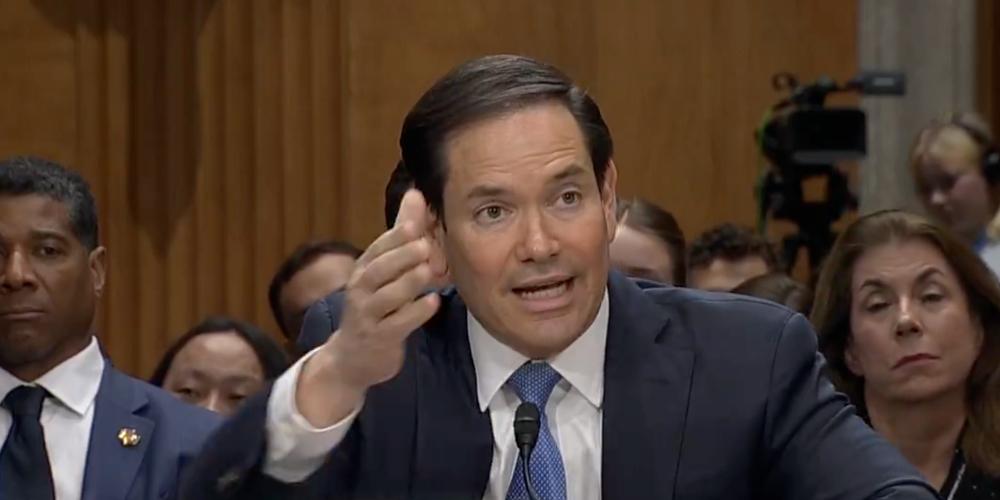
The State Department said Thursday it is conducting a review of more than 55 million foreign nationals who currently hold valid US visas to determine whether any should be revoked for violations that could make them deportable.
“All U.S. visa holders are subject to continuous vetting,” the department said in a statement to the Associated Press. “We review all available information as part of our vetting, including law enforcement or immigration records or any other information that comes to light after visa issuance indicating a potential ineligibility.”
Officials said that the process looks at a wide range of factors, including overstaying a visa, committing crimes, posing public safety threats, engaging in terrorist activity, or providing support to a terrorist organization. If a violation is discovered, the visa is canceled, and those inside the United States become subject to removal proceedings.
The department added, “As part of the Trump Administration's commitment to protect US national security and public safety, since Inauguration Day the State Department has revoked more than twice as many visas, including nearly four times as many student visas, as during the same time period last year.”
Earlier this week, the agency disclosed that since President Donald Trump returned to office, it has revoked more than 6,000 student visas. Roughly 4,000 of those cases stemmed from criminal infractions such as assault and driving under the influence. Between 200 and 300 revocations were tied to terrorism-related concerns, including support for designated terrorist groups or state sponsors of terrorism.
The review builds on previous steps taken by the administration to tighten visa rules. In recent months, all visa applicants have been required to attend in-person interviews, and social media accounts are also being checked as part of the broader vetting process.
Officials described the effort as a significant expansion of earlier re-screenings, which had mainly focused on students involved in pro-Palestinian or anti-Israel activity.
Libby’s Desk
Commentary and must-reads from Libby’s desk, straight to your inbox.
TPM Newsletter
The Post Millennial’s top stories, delivered to your inbox.


