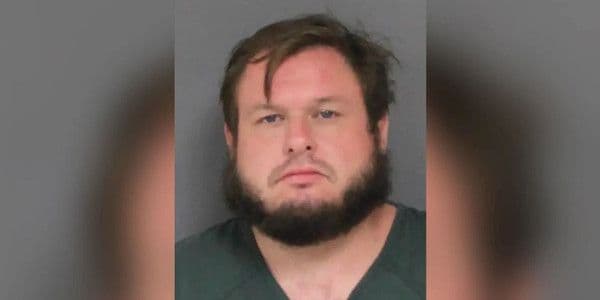
Wisconsin Supreme Court rules trans sex offender not permitted to change name
Ella was required to register as a sex offender after being convicted of sexually assaulting a disabled 14-year-old boy when Ella was 15.
Ella was required to register as a sex offender after being convicted of sexually assaulting a disabled 14-year-old boy when Ella was 15.

The Wisconsin Supreme Court ruled Thursday that a biological male who identifies as transgender is not permitted to legally change to a new name, because the sex offender's original name on the state’s sex offender registry. The person is listed only as "Ella" in court records.
The court ruled in a 4-3 decision that the law does not allow people on the registry to change their names and upheld the rulings of two lower courts, which rejected the offender's request to legally change names, which would permit the offender to not have to register the new name on the sex offender registry.
Loading this lets Rumble set cookies and collect data.
View on RumbleElla was required to register as a sex offender after being convicted of sexually assaulting a disabled 14-year-old boy when Ella was 15. At the time, Ella weighed more than 300 pounds and stood 6'5" tall.
The 14-year-old victim was autistic, 110 pounds and blind in one eye. Ella later harassed the victim on Facebook, perpetuating "victimization and trauma," according to court records. Ella was ordered to register as a sex offender for 15 years.
Ella is now 22 and identifies as transgender, and would like to do a legal name change. However, Wisconsin law prohibits registered sex offenders from changing their names or using aliases.
The Supreme Court rejected Ella’s attorneys’ arguments that not allowing Ella to undergo a name change, or to avoid registering as a sex offender, violated the First and Eighth Amendments.
Justice Rebecca Bradley wrote for the majority, "Consistent with well established precedent, we hold Ella’s placement on the sex offender registry is not a 'punishment' under the Eighth Amendment. Even if it were, sex offender registration is neither cruel nor unusual. We further hold Ella’s right to free speech does not encompass the power to compel the State to facilitate a change of her legal name."
Bradley added, "For example, nothing prohibits her from dressing in women’s clothing, wearing make-up, growing out her hair, or using a feminine alias. The State has not branded Ella with her legal name, and when Ella presents a government-issued identification card, she is free to say nothing at all or to say, 'go by Ella.'"
Libby’s Desk
Commentary and must-reads from Libby’s desk, straight to your inbox.
TPM Newsletter
The Post Millennial’s top stories, delivered to your inbox.