
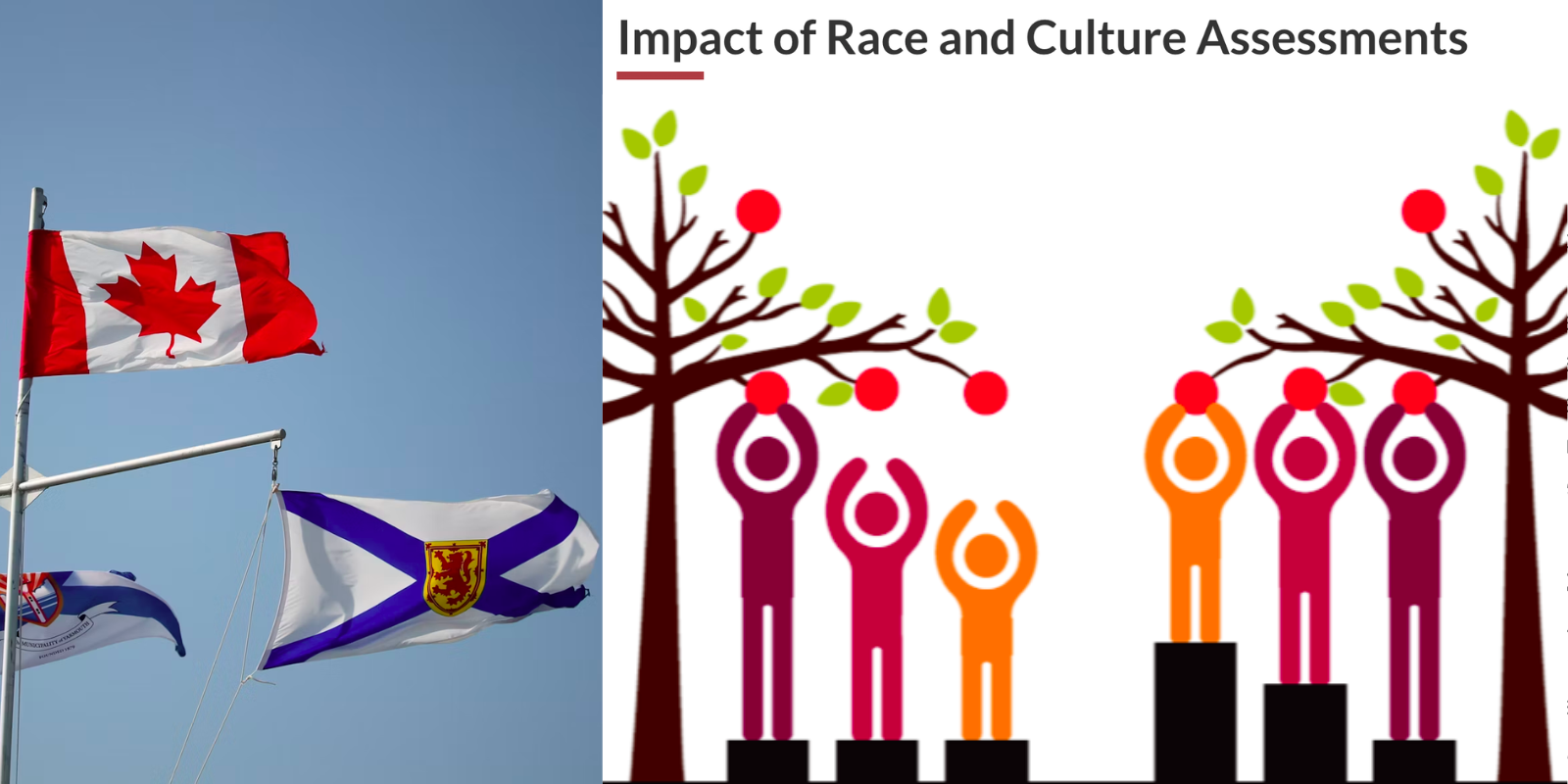
Federal funding for the program has been provided since 2021, with Nova Scotia among the first provinces to receive support.

The assessments, known as IRCAs, are pre-sentencing reports intended to give judges information about an offender’s personal and community experiences. Justice Canada says the reports can address racism, "marginalization," poverty and social exclusion, and could recommend alternatives to incarceration or "culturally appropriate" accountability measures.
Federal funding for the program has been provided since 2021, with Nova Scotia among the first provinces to receive support. Justice Canada has funded hundreds of IRCAs nationally, with Nova Scotia and Ontario accounting for almost 90 percent of those completed during the first 3 years of the program.
The issues came to light as a Halifax-area man, Shondre Jarvis, received a three-year sentence after pleading guilty to aggravated assault in connection with a 2024 stabbing. Jarvis had originally faced an attempted murder charge.
According to a National Post report, Jarvis stabbed another black man six times at a house party in Beechville, NS. The victim suffered life-threatening injuries, while other partygoers disarmed Jarvis before he fled into nearby woods.
An IRCA prepared for the sentencing discussed Jarvis’ experiences with racism and described “racialized battle fatigue and racialized hypervigilance.” The report stated: “They do not justify violence; however, they are part of the cumulative stress context which Shondre Jarvis was affected.”
The report also cited alleged experiences including racial slurs, being subjected to “white power” comments and an encounter with undercover police.
Nova Scotia officials have confirmed that IRCAs are funded through the province and can cost approximately $5,000 to $7,000 each. A federal contribution agreement provided Nova Scotia with $1.4 million over five years to prepare assessments for eligible Legal Aid clients.
The use of the IRCAs has appeared in another Nova Scotia criminal case. An IRCA prepared for Makayle Skinner, who was convicted of manslaughter in the 2022 shooting death of Treyvhon Bradshaw, stated that “Racial battle fatigue further contextualizes Makayle Skinner’s response.”
Powered by The Post Millennial CMS™ Comments
Join and support independent free thinkers!
We’re independent and can’t be cancelled. The establishment media is increasingly dedicated to divisive cancel culture, corporate wokeism, and political correctness, all while covering up corruption from the corridors of power. The need for fact-based journalism and thoughtful analysis has never been greater. When you support The Post Millennial, you support freedom of the press at a time when it's under direct attack. Join the ranks of independent, free thinkers by supporting us today for as little as $1.
Remind me next month
To find out what personal data we collect and how we use it, please visit our Privacy Policy





Comments