NPR sues Trump over withdrawal of federal funds to national broadcaster, local stations
NPR is joined by Colorado Public Radio in Denver, Aspen Public Radio, and KSUT, which serves Native American tribes in the Four Corners.
NPR is joined by Colorado Public Radio in Denver, Aspen Public Radio, and KSUT, which serves Native American tribes in the Four Corners.
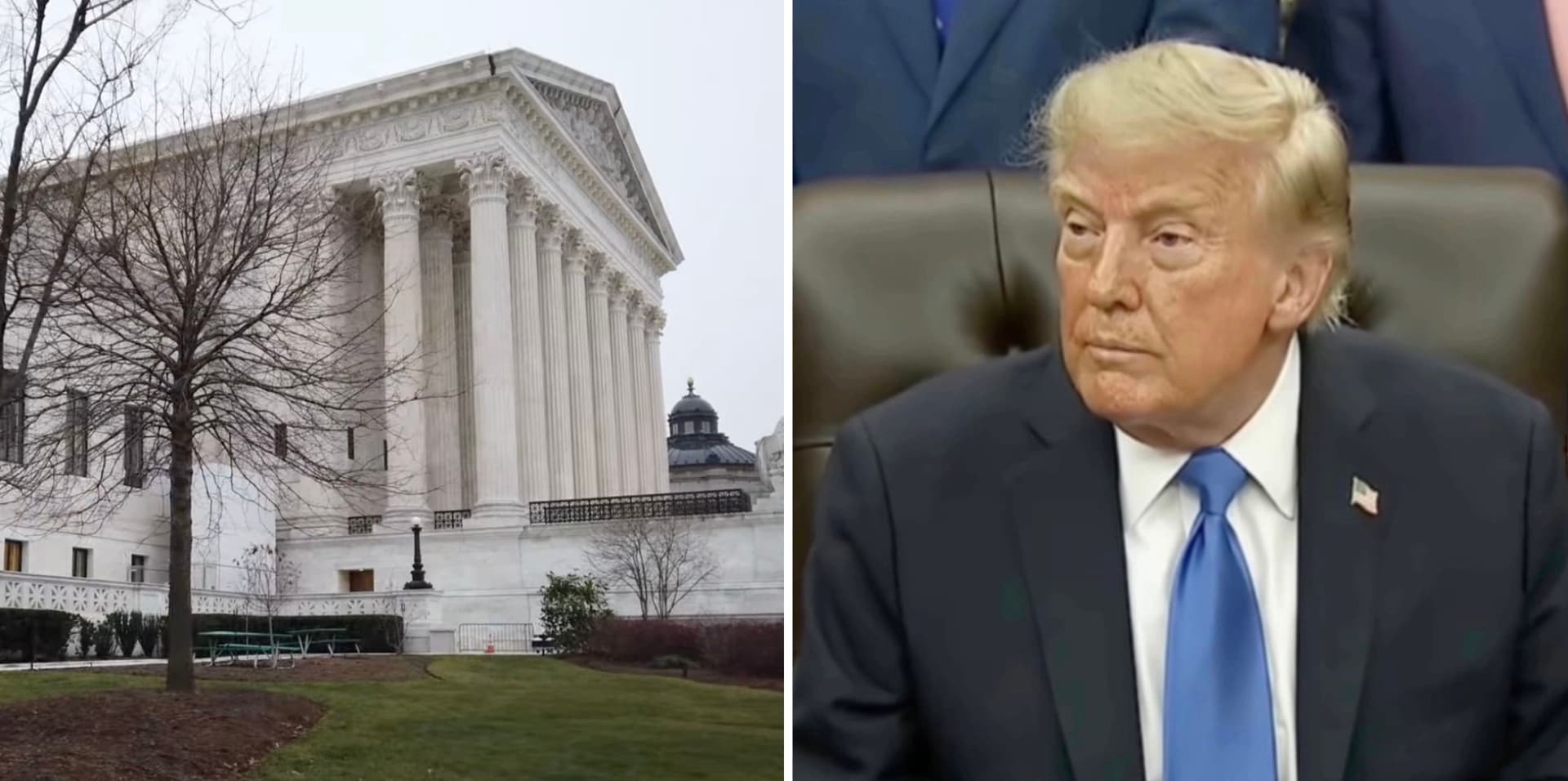
National Public Radio has teamed up with three local affiliates in Colorado to sue President Donald Trump and the White House in federal court. The suit takes issue with Trump's executive order to stop funding for both NPR and PBS, saying that only Congress can allocate or revoke funding.
Those funds, allocated to the Corporation for Public Broadcasting, are controlled by Congress, NPR argues, and not the executive branch. NPR also states in their brief that this is a First Amendment issue. Named in the suit along with Trump are Treasury Secretary Scott Bessent, National Endowment for the Arts Chair Maria Rosario Jackson, and White House budget director Russell Vought.
"It is not always obvious when the government has acted with a retaliatory purpose in violation of the First Amendment. 'But this wolf comes as a wolf,'" reads the brief, suggesting that it is a direct 1A violation and not a reach. "The Order targets NPR and PBS because, in the President's view, their news and other content is not 'fair, accurate, or unbiased.'"
NPR is joined by Colorado Public Radio in Denver, Aspen Public Radio, and KSUT, which serves Native American tribes in the Four Corners. The funds allocated to the Corporation for Public Broadcasting are dolled out to local stations that then can air national NPR content for a broadcasting fee.
NPR alleges that the executive branch is overstepping its power by directing how money is spent, which is constitutionally under the legislative branch. In a statement, NPR President and CEO Katherine Maher said Trump's "Executive Order is a clear violation of the Constitution and the First Amendment's protections for freedom of speech and association, and freedom of the press."
"NPR and PBS have fueled partisanship and left-wing propaganda with taxpayer dollars, which is highly inappropriate and an improper use of taxpayers’ money," Trump's May 1 order read. The order argues that “government funding of news media in this environment is not only outdated and unnecessary but corrosive to the appearance of journalistic independence.”
In 2024, an NPR whistleblower revealed that "Race and identity became paramount in nearly every aspect of the workplace," noting that journalists were "required to ask everyone we interviewed their race, gender, and ethnicity (among other questions), and had to enter it in a centralized tracking system," and that everyone was "given unconscious bias training sessions." Uri Berliner, who blew the whistle on NPR in The Free Press, was suspended without pay for employment policy violations after the story broke.
That "wolf" reference, notes NPR in reporting on their lawsuit, is a direct reference to the 1988 Supreme Court ruling in Morrison v. Olson in which Justice Antonin Scalia, in his dissent, argued against the consolidation of federal power at the executive level. The suit, he said, is about "power," noting that the Constitution sought to prevent that consolidation in one branch of government. The case at hand, he said, was not "in sheep's clothing" but a wolf presenting "as a wolf." Interestingly, that case was on the appointment by Congress of federal judges to investigate the executive branch.
NPR Lawsuit Trump Executive Order by The Post Millennial on Scribd
Libby’s Desk
Commentary and must-reads from Libby’s desk, straight to your inbox.
TPM Newsletter
The Post Millennial’s top stories, delivered to your inbox.