
Out of the 902 youth referred to RCP, felony offenders had a 53.2% recidivism rate

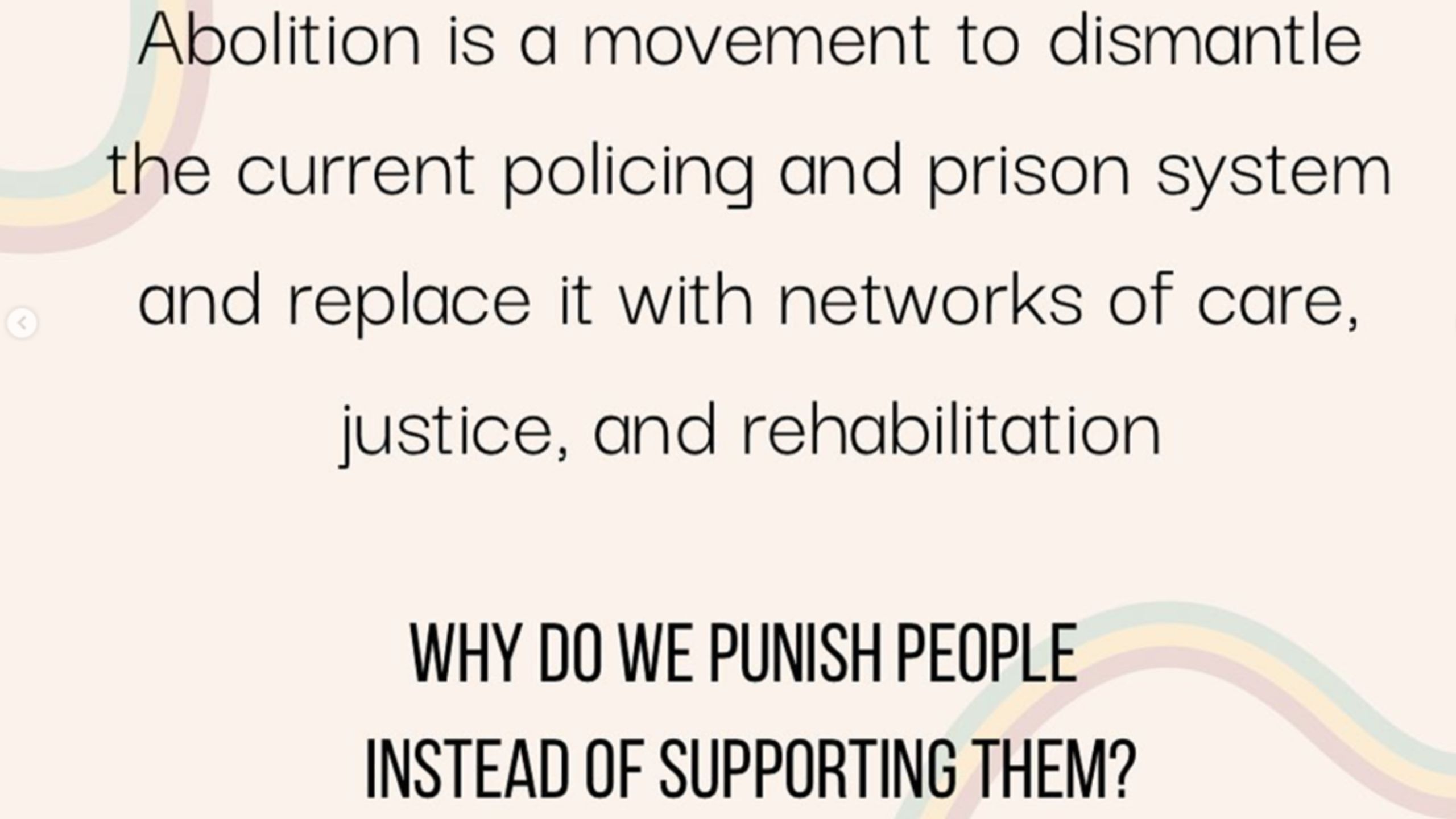
RCP, a juvenile diversion initiative approved by the King County Council and managed by the Department of Community and Human Services, aims to offer an alternative path for youth accused of non-violent offenses. Rather than entering the traditional juvenile justice system, eligible participants are referred to community-based nonprofits focused on accountability, healing, and restoration. However, the program's social media is filled with messaging that is in favor of abolishing prisons and the police.
While the KCPAO remains supportive of diversion programs overall, it commissioned an independent evaluation to determine how well RCP is meeting its goals, particularly in reducing recidivism. The evaluation was conducted by Claus C. Pörtner, a professor of economics at Seattle University, who found that, out of the 902 youth referred to RCP:
- At 6 months: 18.5% had a new criminal justice contact.
- At 12 months: 27.9% had reoffended.
- At 24 months: 40.3% had new system contact.
- Misdemeanor referrals had a 24-month recidivism rate of 37.3%.
- Felony referrals had a much higher rate of 53.2%.
The Prosecutor’s Office called the findings significant enough to warrant a pause on felony referrals to RCP. “We believe in diversion. We want it to work. But we also must ensure that the programs we support are delivering meaningful outcomes and improving public safety,” the office stated in a memo to King County Executive Braddock and King County Councilmembers. “Pausing felony referrals allows us time to gather more data and ensure we are making evidence-based decisions.”
A secondary analysis is already underway to compare RCP outcomes with those of traditional prosecution. A report is expected in the coming months and will play a key role in determining whether non-violent felonies should continue to be routed through RCP.
While the KCPAO is reassessing felony referrals, it emphasized continued support for juvenile diversion as a core principle, especially for misdemeanor offenses, many of which are subject to mandatory diversion under Washington law. “Our youth deserve opportunities to succeed. Harmed parties deserve opportunities to heal. Taxpayers deserve programs that work,” the office concluded.
The Prosecutor’s Office pledged to continue working with county leaders to refine diversion strategies and enhance outcomes across King County’s juvenile justice system.
Powered by The Post Millennial CMS™ Comments
Join and support independent free thinkers!
We’re independent and can’t be cancelled. The establishment media is increasingly dedicated to divisive cancel culture, corporate wokeism, and political correctness, all while covering up corruption from the corridors of power. The need for fact-based journalism and thoughtful analysis has never been greater. When you support The Post Millennial, you support freedom of the press at a time when it's under direct attack. Join the ranks of independent, free thinkers by supporting us today for as little as $1.
Remind me next month
To find out what personal data we collect and how we use it, please visit our Privacy Policy




Comments