
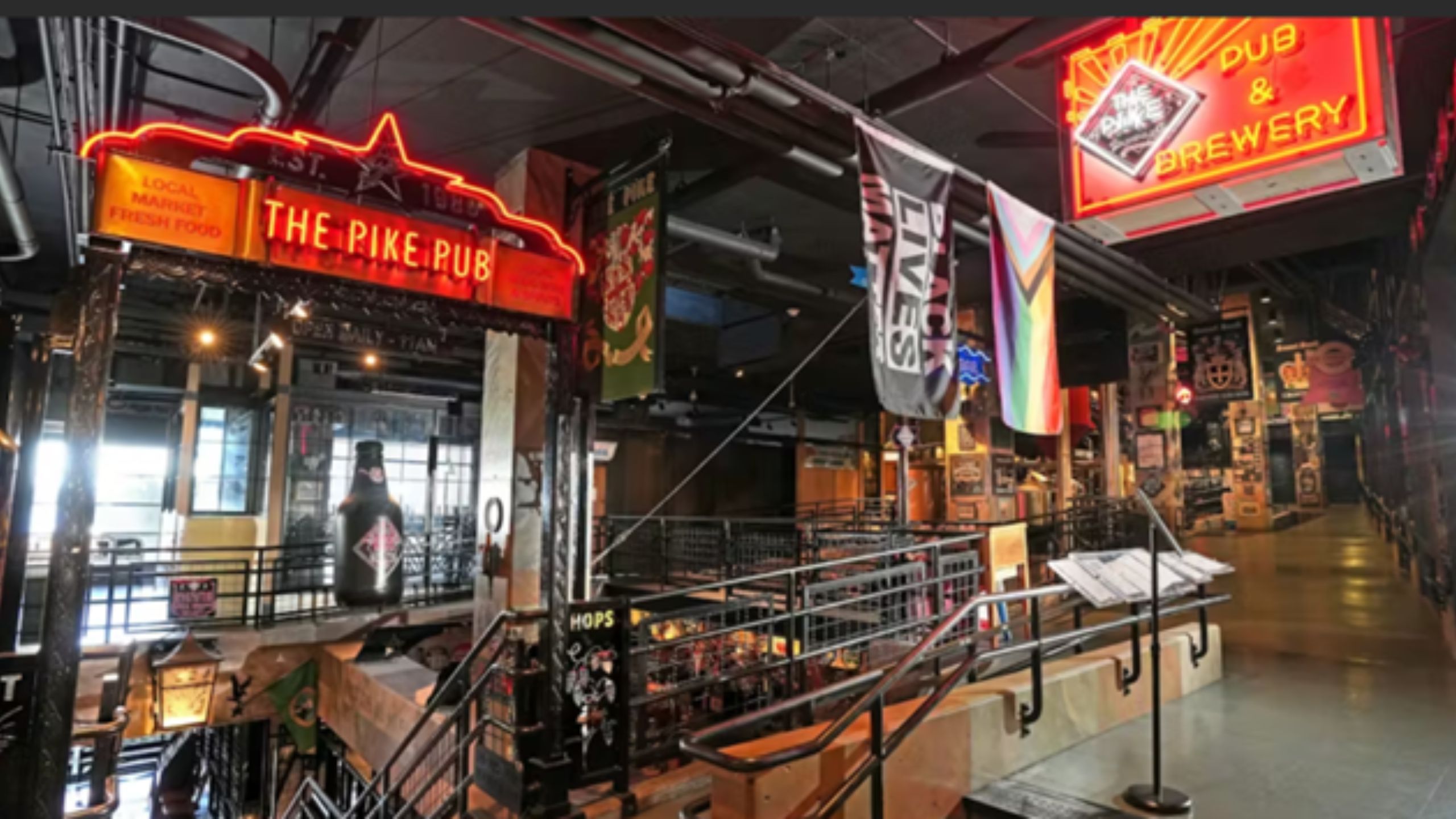
A new survey of independent, brick-and-mortar businesses across the Greater Seattle area revealed many are struggling to survive amid falling foot traffic, rising costs, crime, government regulation, and taxes.

The Intentionalist, a Seattle-based platform that promotes local and small businesses, surveyed 136 independent brick-and-mortar businesses in late 2025. Respondents included cafés, restaurants, retail shops, salons, studios, and other neighborhood anchors across Seattle and nearby communities.
Sixty-seven percent of business owners said they are under more financial stress now than during the height of the pandemic in 2020 and 2021. Nearly three-quarters said today’s challenges are less visible than during lockdowns, but just as severe, if not worse. Instead of sudden closures and emergency orders, owners described a slow, grinding crisis defined by weaker demand, thinner margins, and fewer tools to stay afloat.
Most surveyed businesses reported worsening conditions over the past year. More than 70 percent said foot traffic has declined, while nearly two-thirds reported falling sales. More than a quarter said revenue has dropped by at least 20 percent. Only a small share of owners said customer demand is strong enough to keep pace with today’s cost structure, leaving many businesses operating in a persistent deficit even when they remain open.
At the same time, demand has softened while costs have continued to climb. Owners cited higher rent, labor, insurance, utilities, supplies, and interest rates as major pressures on already-thin margins. Many also pointed to local fees and regulatory costs as additional burdens. Many have already closed.
Access to affordable working capital has become another major challenge. Nearly two-thirds of respondents said they have limited access to credit or financing, restricting their ability to adapt, invest, or even manage short-term cash flow. As a result, many owners say they are drawing down personal savings, taking on debt, raising prices, cutting staff hours, delaying maintenance, or deferring vendor payments.
Half of the surveyed businesses said theft, vandalism, or break-ins are affecting operations. Others cited rising insurance premiums, denied claims, or policy non-renewals, adding yet another layer of uncertainty.
One of the clearest themes in the survey was the disappearance of pandemic-era support. A large majority of business owners said the emergency support programs that helped keep them afloat during COVID, such as grants, relief funds, and flexible financing, are no longer available, even though many say they are still needed. Owners identified several forms of support that could make an immediate difference: marketing and events that drive foot traffic, greater corporate and institutional spending with local businesses, rent or lease stabilization, low-interest working capital, and relief from certain city fees or taxes.
The small business struggle is unfolding alongside broader economic headwinds in the Seattle region. Over the past year, major employers, including Microsoft, Amazon, and Meta, have cut thousands of local jobs. At the same time, downtown office occupancy remains far below pre-pandemic levels, reducing weekday foot traffic that many neighborhood businesses once relied on.
Powered by The Post Millennial CMS™ Comments
Join and support independent free thinkers!
We’re independent and can’t be cancelled. The establishment media is increasingly dedicated to divisive cancel culture, corporate wokeism, and political correctness, all while covering up corruption from the corridors of power. The need for fact-based journalism and thoughtful analysis has never been greater. When you support The Post Millennial, you support freedom of the press at a time when it's under direct attack. Join the ranks of independent, free thinkers by supporting us today for as little as $1.
Remind me next month
To find out what personal data we collect and how we use it, please visit our Privacy Policy






Comments