
"An increasing reliance on digital and social media channels, including undisclosed paid influencer promotion, has blurred the lines among editorial content..."

The Trump administration is seeking to ban drug ads on television. How many times have you been sitting watching your favorite show or a sporting event only to have the breaks be filled with ads for drugs, the purpose of which is entirely baffling? That's what President Trump, in signing a memorandum on Tuesday, is trying to stop. The FDA will also take aim at social media advertising through influencers who are not disclosed.
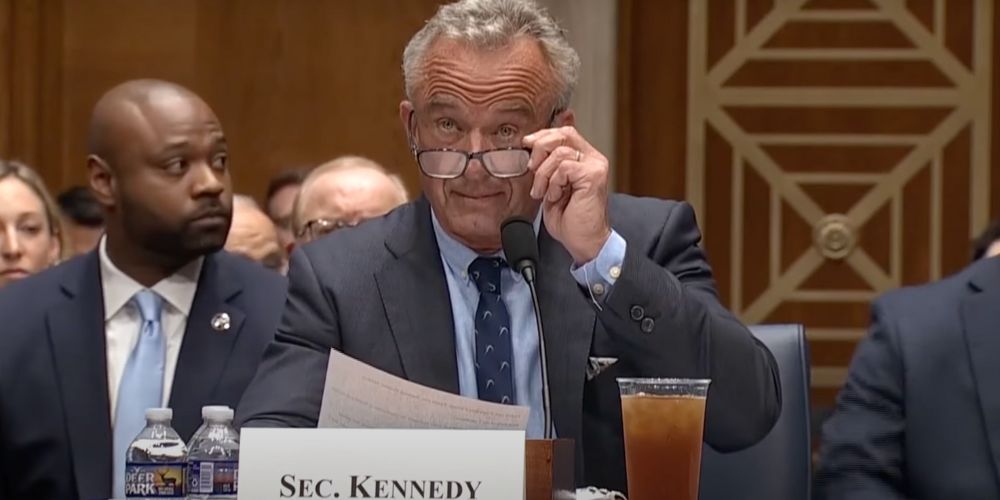
The memorandum asks staff to revive a policy that would prevent big drug ads from being shown on TV. In 1997, there was a policy change that made it possible for pharmaceutical ads to be shown on TV, boosting both drug company and television network profits. Health and Human Services Secretary Robert F. Kennedy Jr is against the ads because he thinks a great deal of health can be gained through preventative measures, such as exercise and nutrition.
“Pharmaceutical ads hooked this country on prescription drugs,” Kennedy said. “We will shut down that pipeline of deception and require drug companies to disclose all critical safety facts in their advertising. Only radical transparency will break the cycle of overmedicalization that drives America’s chronic disease epidemic.”
Kennedy has called for a ban on big drug ads on TV, but pharmaceutical companies and television networks are against it due to the hefty profits they see from these ads. Courts, The New York Times notes, have long been on the side of big pharma in cases such as these by claiming their First Amendment right to marketing prescription drugs directly to consumers.
In regard to "undisclosed paid influencer promotion" on social media, a letter to pharmaceutical companies states, "A 2024 review in the Journal of Pharmaceutical Health Services Research reveals that while 100% of pharmaceutical social media posts highlight drug benefits, only 33% mention potential harms. Moreover, 88% of advertisements for top-selling drugs are posted by individuals and organizations that fail to adhere to the FDA fair balance guidelines."
It was in the 1990s that the push was made for direct-to-consumer (DTC) advertising of pharmaceuticals and drugs. These ads tout the benefits of a specific drug, but often the ads are vague and confusing about what ailment the drug is meant to treat, just saying "ask your doctor" if the drug is "right for you." These drug ads also end with a lengthy, speed-read summation of dangerous potential side effects, covering everything from diarrhea to suicide.
The plan, per the memorandum, is to "remove the 1997 'Adequate Provision' Loophole, which has enabled pharmaceutical companies to withhold vital safety information in advertisements," be "aggressive in enforcement of DTC violations," and to "close digital loopholes by expanding regulatory oversight to encompass social media promotional activities."
The Trump FDA said, "In addition to enforcing existing law, the FDA is initiating rulemaking to close the 'adequate provision' loophole created in 1997, which drug companies have used to conceal critical safety risks in broadcast and digital ads, fueling inappropriate drug use and eroding public trust."
Former FDA commissioner Davide Kessler said, "The industry will obviously challenge this on First Amendment grounds," and the television industry, which relies on advertising dollars for survival, will likely back the drug makers.
"The FDA," reads a press release, "will no longer tolerate such deceptive practices. Going forward, the agency will aggressively deploy its available enforcement tools. The FDA is already implementing AI and other tech-enabled tools to proactively surveil and review drug ads.
"The Trump Administration and HHS Secretary Kennedy are committed to restoring transparency, accountability, and trust in health care. By closing loopholes and stepping up enforcement, the FDA will protect patients, safeguard public health and hold the pharmaceutical industry accountable."
Powered by The Post Millennial CMS™ Comments
Join and support independent free thinkers!
We’re independent and can’t be cancelled. The establishment media is increasingly dedicated to divisive cancel culture, corporate wokeism, and political correctness, all while covering up corruption from the corridors of power. The need for fact-based journalism and thoughtful analysis has never been greater. When you support The Post Millennial, you support freedom of the press at a time when it's under direct attack. Join the ranks of independent, free thinkers by supporting us today for as little as $1.
Remind me next month
To find out what personal data we collect and how we use it, please visit our Privacy Policy




Comments