
DCYF was barred from imposing any blanket standard, rule, or policy that disqualifies foster parents from consideration for particular placements, wholly or partly because of their religious beliefs.

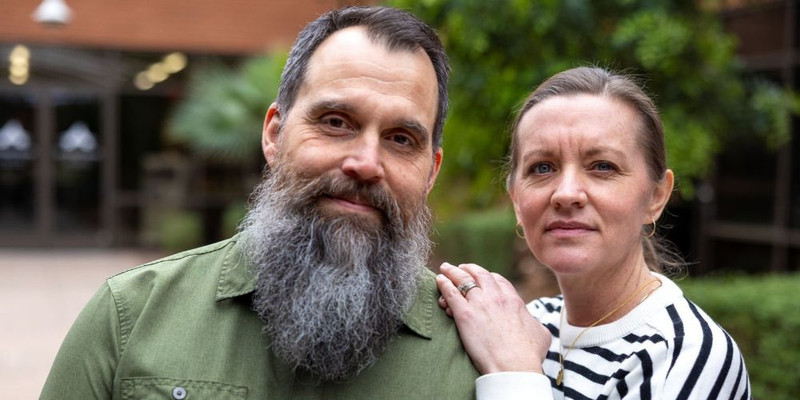
The protections stem from a lawsuit brought by Shane and Jennifer DeGross of Port Orchard, whose foster care license renewal was blocked after nine years of fostering. In May, Washington agreed to a permanent injunction resolving their challenge to the state’s licensing requirements.
The agreement also prohibits the Department of Children, Youth and Families (DCYF) from denying or restricting foster care licenses solely because of those beliefs. A September memo instructs licensing employees to stop enforcing chosen-name and pronoun requirements when they conflict with foster parents’ sincerely held religious convictions.
The court order bars DCYF from imposing any blanket standard, rule, or policy that disqualifies foster parents from consideration for particular placements, wholly or partly because of their religious beliefs concerning marriage, gender, and sexual relationships.
That protection extends beyond obtaining a license: the state cannot automatically rule families out of placement consideration because they hold those beliefs. DCYF may still make individualized decisions about whether a family can meet a particular child’s needs.
The agency is now implementing the agreement through employee instructions and proposed amendments to Washington’s administrative code.
A September 1 memo from Assistant Secretary of Licensing Ruben Reeves directs employees to follow revised requirements while formal rulemaking proceeds. The memo lists May 20, 2026—the date of the court-approved settlement—as its effective date.
Employees must no longer enforce the requirement to use children’s chosen names and pronouns when it conflicts with foster parents’ sincerely held religious beliefs. They must continue enforcing privacy protections concerning children’s sexual orientation, gender identity, and expression, known as SOGIE. The memo also addresses requirements to connect children with resources supporting their identities. When those requirements conflict with religious beliefs, licensing staff must gather information about how parents will provide or arrange appropriate care, including allowing DCYF, tribes, or other support people to facilitate access to resources.
Formal rule changes remain pending. In a September 4 filing, DCYF identified the DeGross permanent injunction as a reason for revising its foster home requirements.
Public comments close October 27, and the department lists October 28 as its intended adoption date. That schedule does not establish that the amendments have already been adopted or taken effect.
The proposal removes the explicit chosen-name and pronoun mandate, preserves privacy protections, and provides alternatives when care requirements conflict with sincerely held religious beliefs. Parents may connect children with resources, refrain from impeding others from doing so, or combine those approaches. The broader proposal also includes required training in “LGBTQIA+ affirming care,” alongside culturally responsive care and trauma-informed care.
The DeGrosses sued in 2024 after their 2022 renewal effort failed. According to the judgment, their child-placing agency, Olive Crest, could not certify their renewal application because they could not comply with the name and pronoun requirements.
Washington later allowed them to reapply through a waiver process. However, the license issued in 2025 restricted regular foster placements to children ages 2 through 5 and prohibited emergency placements. Respite care was permitted for children ages 2 through 18. The waiver imposed additional case-review and training requirements. The couple amended their lawsuit to challenge the restrictions.
In April, a federal court allowed their First Amendment challenge to proceed. The settlement followed in May.
The permanent injunction requires DCYF to rescind the challenged restrictions, confirm the DeGrosses have a full and unrestricted license, and pay $250,000 in attorney fees and costs. Future renewals cannot require another waiver process arising from the religious objections at issue in the case.
The agreement preserves DCYF’s authority to assess individual placements based on children’s needs and potential harm. It does not entitle any family to a particular child, and the agency may decline or end a placement following an individualized assessment.
In its statement on the settlement, DCYF acknowledged that religious beliefs alone cannot justify denying or restricting a license, while emphasizing that applicants must still satisfy other licensing requirements and that the agency retains control over placements.
Powered by The Post Millennial CMS™ Comments
Join and support independent free thinkers!
We’re independent and can’t be cancelled. The establishment media is increasingly dedicated to divisive cancel culture, corporate wokeism, and political correctness, all while covering up corruption from the corridors of power. The need for fact-based journalism and thoughtful analysis has never been greater. When you support The Post Millennial, you support freedom of the press at a time when it's under direct attack. Join the ranks of independent, free thinkers by supporting us today for as little as $1.
Remind me next month
To find out what personal data we collect and how we use it, please visit our Privacy Policy




Comments