
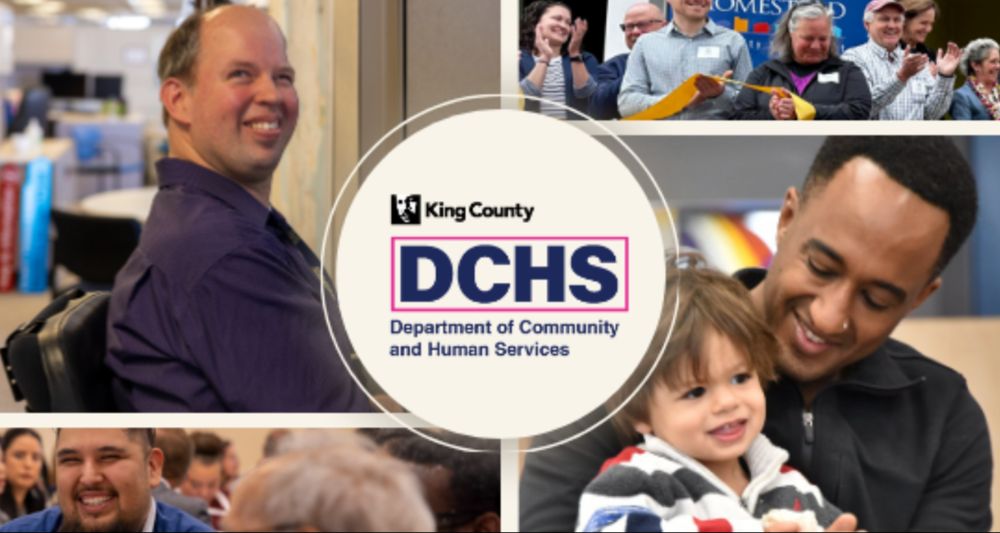
King County pledged to confront “systemic racism,” and DCHS channeled hundreds of millions of taxpayer dollars into “community-based” programs meant to dismantle inequity.

According to documents obtained by the Ari Hoffman Show on Talk Radio 570 KVI, DCHS’s grant portfolio skyrocketed from $22 million in 2019–2020 to more than $1.5 billion across 2023 and 2024, a seventy-fold increase. The money flowed through voter-approved levies and emergency COVID-19 funding to programs that were supposed to strengthen community well-being.
But auditors found the department “did not consistently apply internal controls,” allowing improper payments, sloppy recordkeeping, and high-risk grants with little verification. Nearly half of all 359 grantees reviewed in 2024 were rated “high risk” for mismanagement, yet only 16 percent were visited by fiscal monitors, far below DCHS’s own policy standard of 33 percent.
The report describes a culture of haste and relationship-based decision-making where oversight was barely applied. Auditors concluded that the department “had not done enough to manage its financial risk.”
To push money out quickly, DCHS used a “hybrid” payment system: instead of reimbursing documented expenses, it paid grantees set monthly amounts based on projected budgets. Expense reports came later, sometimes months later. In 2024, that model accounted for 14 percent of nearly $1 billion in contracts. The audit warned that it “significantly increases financial risk,” since DCHS made payments “before knowing whether grantees were using funds on allowable costs.”
One organization was reimbursed $37,500 for travel after its contract ended. Another inflated subcontractor expenses by hundreds of thousands of dollars without county approval. A third awarded stipends as high as $15,000 per person, far beyond department guidelines.
Prepaid cards, meant to help vulnerable families with essentials, were regularly distributed without logs or signatures, violating contract terms and state auditing standards. Auditors wrote that DCHS “may have made some improper payments” because staff “did not regularly request logs from grantees.”
The audit describes a department that chose speed over stewardship. During the pandemic, staff were told to move funds quickly to community groups, and that mindset did not end when the emergency conditions did.
Auditors noted that 11 of 18 grantees reviewed had missing or inadequate financial records, and some DCHS employees failed to disclose potential conflicts of interest. In one case, an employee was found working a second job during county hours, categorized as “theft of time” under King County’s fraud policy.
Even efforts to help grantees manage funds fell short. The county’s Best Starts for Kids program reserved $1 million a year for nonprofit capacity building, but less than 6 percent of consulting hours went to financial management training. “Grantees rarely use the capacity-building program for financial management support,” the report concluded.
Some of the county’s largest youth and equity initiatives, including Restorative Community Pathways and Liberation and Healing from Systemic Racism, were flagged for questionable transactions.
One nonprofit billed DCHS for duplicate $2,500 checks, likely double-counted. Another submitted invoice showed altered dollar amounts compared to subcontractor records. Others used funds to pay relatives or businesses they controlled, raising conflict-of-interest concerns.
The audit also found that DCHS awarded public grants to for-profit and out-of-state companies, despite policy language prioritizing small community nonprofits. Eleven subcontractors were identified as for-profit entities, six registered outside Washington. One out-of-state company received about $260,000 on a single contract.
The department agreed with all 10 recommendations from auditors, ranging from anti-fraud training and clearer invoice validation policies to stronger documentation rules and grantee oversight. However, final reforms are not expected until mid-2027.
DCHS has since hired a Chief Financial and Operating Officer and announced plans for quarterly grantee trainings beginning in 2026. Officials insist the agency remains committed to equity and transparency, saying they will “strengthen internal controls and ensure public funds are used appropriately.”
On October 31, Councilmember Reagan Dunn called for investigations into DCHS grant misuse to be moved to the independent Office of the King County Ombuds, citing an email from the auditor that warned investigations of potential improper acts had stagnated.
According to the timeline, the auditor alerted DCHS to issues on April 11, formally referred 19 items for investigation on June 16, and yet by early November, many of those cases remained unresolved. “It is unfortunate that we are six months past alerting DCHS to significant issues, and it feels like we are just beginning,” the email stated.
Dunn has proposed legislation that would require annual reviews, in-person check-ins every three years, and immediate site visits when fraud is flagged, with progress reports due March 2026. Dunn said, “At a time when residents are struggling to pay for groceries and rent, it is simply unreasonable to ask taxpayers to accept a meandering ‘we’ll get to it when we get to it’ approach to investigating the waste and misuse of taxpayer dollars.”
Powered by The Post Millennial CMS™ Comments
Join and support independent free thinkers!
We’re independent and can’t be cancelled. The establishment media is increasingly dedicated to divisive cancel culture, corporate wokeism, and political correctness, all while covering up corruption from the corridors of power. The need for fact-based journalism and thoughtful analysis has never been greater. When you support The Post Millennial, you support freedom of the press at a time when it's under direct attack. Join the ranks of independent, free thinkers by supporting us today for as little as $1.
Remind me next month
To find out what personal data we collect and how we use it, please visit our Privacy Policy




Comments