
The defense "seeks protected classification of the unredacted filings, which contain certain external online references and identifying information."

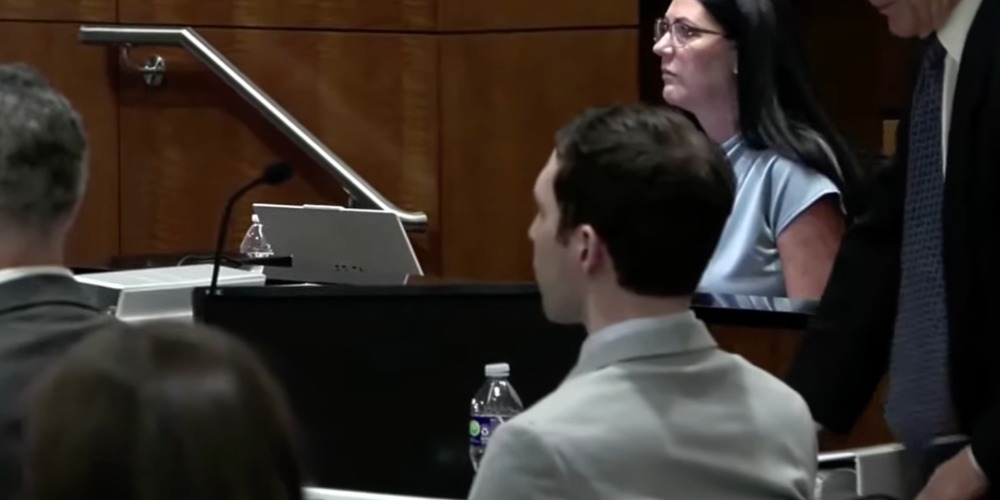
Tuesday’s hearing in the case of Tyler Robinson, in which parties are set to make closing arguments on probable cause, is set to begin with Judge Tony Graf issuing a ruling on a motion from the defense seeking to classify unredacted filings made in the case.
Graf said in an order that he would first weigh the defense’s motion to classify, which would be addressed through a closure hearing, “The hearing shall remain open to the greatest extent possible, and any closure shall be limited to portions the Court finds necessary to protect the information at issue.”
“Following the closure hearing, the Court shall rule on the Motion to Classify under Rule 4-202.04, address the pending EMC requests, and then hear closing arguments on the preliminary examination. The Court shall thereafter make its probable-cause and bindover determinations,” the order continued.
The defense filed its “Motion to Classify his Unredacted Oppositions to Electronic Media Coverage Orders” on August 22. The defense “seeks protected classification of the unredacted filings, which contain certain external online references and identifying information,” the filing from Graf stated.
The defense had filed oppositions to electronic media requests from the Salt Lake Tribune and KUTV for their coverage of Tuesday’s proceedings, with the opposition to Salt Lake Tribune’s request including “new evidence regarding certain active external online content and specific identifying information that references these proceedings.”
“Defendant represented that the volume and frequency of this external activity fluctuated significantly during the evidentiary portion of the preliminary examination in July 2026. Defendant argued that the pervasiveness of this external activity on the internet represents a highly sensitive matter that could impact the integrity of these proceedings, and that continuing to broadcast the legal arguments would exacerbate the dissemination of these external online references,” Graf wrote.
The News Media filed an opposition to the defense’s classification motion, asserting that “court filings are presumptively public and that both the United States and Utah Supreme Courts protect the right of the community to view criminal pretrial filings.” They argued that “Defendant cannot overcome the presumption of openness because he is attempting to make secret information that is already publicly available and created by the public. They characterized Defendant's concerns as generalized and alarmist.”
Powered by The Post Millennial CMS™ Comments
Join and support independent free thinkers!
We’re independent and can’t be cancelled. The establishment media is increasingly dedicated to divisive cancel culture, corporate wokeism, and political correctness, all while covering up corruption from the corridors of power. The need for fact-based journalism and thoughtful analysis has never been greater. When you support The Post Millennial, you support freedom of the press at a time when it's under direct attack. Join the ranks of independent, free thinkers by supporting us today for as little as $1.
Remind me next month
To find out what personal data we collect and how we use it, please visit our Privacy Policy






Comments