
"The petition for permission to appeal from an interlocutory order is denied. The motion to stay is deemed moot."

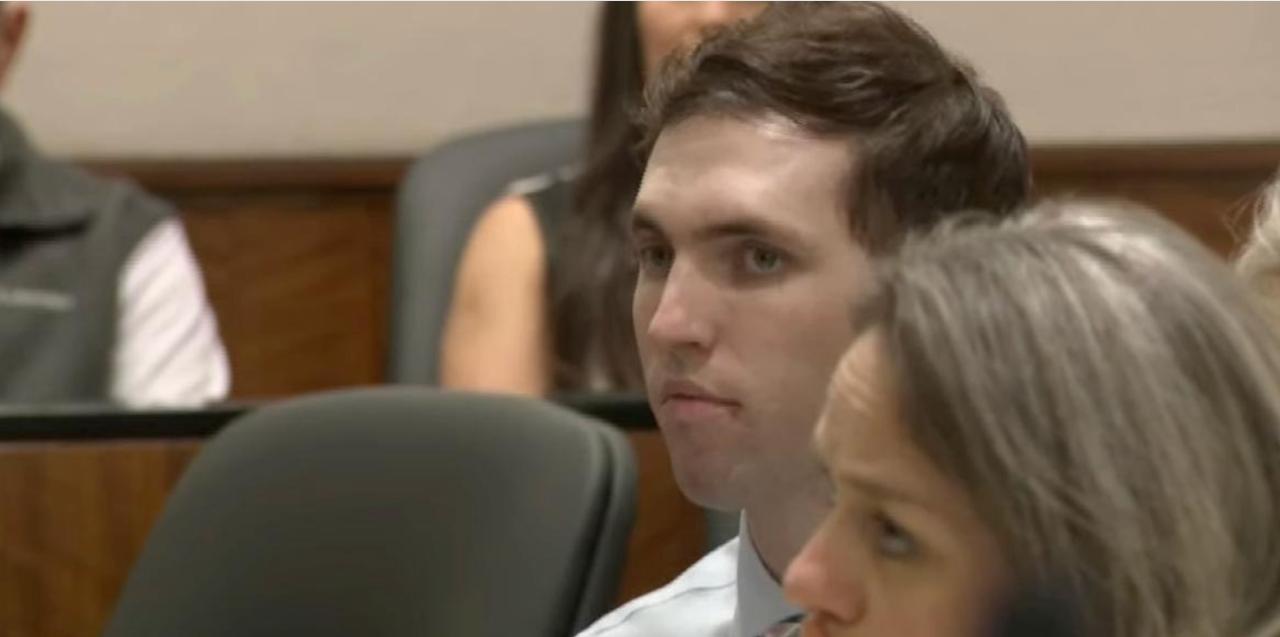
Utah’s Supreme Court has cleared the way for the preliminary hearing of Tyler Robinson, the man charged with murdering Turning Point USA founder Charlie Kirk, to move forward. The hearing is set to start on Monday morning and is scheduled to last through the week.
The state’s high court declined to hear the defense’s appeal of two rulings from Judge Tony Graf, who is overseeing the case, regarding cameras in the courtroom and hearsay evidence. The court said in its Thursday afternoon decision, "This matter is before the court upon a petition for permission to appeal from an interlocutory order. The petition for permission to appeal from an interlocutory order is denied. The motion to stay is deemed moot."
The issue of cameras in the courtroom has been a repeated fixture in the pre-trial portion of the case. The defense had attempted to appeal Judge Graf's rulings in May, the same month the judge ruled against the defense's motion for a blanket camera ban for the case. The defense had sought to have the preliminary hearing placed on pause until the Utah Supreme Court decided whether or not to take up the case, but Judge Graf denied that motion. With the defense's appeal to the Utah Supreme Court, they requested that the state's high court place the preliminary hearing on pause.
Graf ruled in early May that electronic coverage be weighed on a hearing-by-hearing basis. He ordered that news reporters must file requests for electronic coverage of proceedings at least 14 days before the scheduled proceeding. Parties can file seeking to restrict or suspend electronic coverage of a hearing, with Graf having the final say.
The defense sought, through the process laid out in the May cameras ruling, to have cameras blocked from the preliminary hearing. On Tuesday, Graf denied most of the motions sought by the defense, only siding with the defense in the case of an outlet that filed a request for still photography for the opening day of the preliminary hearing one day late.
Graf wrote in the Tuesday ruling, "On this record, controlled livestreaming and still photography may reduce reliance on secondhand or inaccurate descriptions by allowing the public and journalists to observe the same proceedings subject to the court's decorum order, camera-placement restrictions, evidentiary rulings, and exhibit limitations. The court does not rely on a generalized preference for electronic access; it finds that the specific benefits of accurate public observation of this preliminary hearing outweigh the incremental prejudice Defendant has identified from the requested coverage itself."
"In sum," he wrote, "the preliminary hearing is likely to generate extensive public discussion about Defendant. Defendant has shown a substantial risk of prejudicial publicity generally, but has not shown on this record a reasonable likelihood that the requested controlled coverage separate—from publicity likely to occur regardless—will prejudice his fair-trial rights. Nor has Defendant shown sufficiently compelling reasons under Rule 4-401.01 to exclude the requested coverage, subject to the limitations and continuing supervision described in this order."
Powered by The Post Millennial CMS™ Comments
Join and support independent free thinkers!
We’re independent and can’t be cancelled. The establishment media is increasingly dedicated to divisive cancel culture, corporate wokeism, and political correctness, all while covering up corruption from the corridors of power. The need for fact-based journalism and thoughtful analysis has never been greater. When you support The Post Millennial, you support freedom of the press at a time when it's under direct attack. Join the ranks of independent, free thinkers by supporting us today for as little as $1.
Remind me next month
To find out what personal data we collect and how we use it, please visit our Privacy Policy



Comments