

The arrest is not the first time a convicted felon wanted by authorities has been discovered living in one of the Seattle area's taxpayer-funded tiny home villages.

According to KOMO News, King County prosecutors charged 23-year-old Thomas Elijah Moss with second-degree rape, second-degree assault with sexual motivation, and second-degree robbery following the Sept. 12 attack along the Longacres Trail in Renton. Moss is being held on $1 million bail.
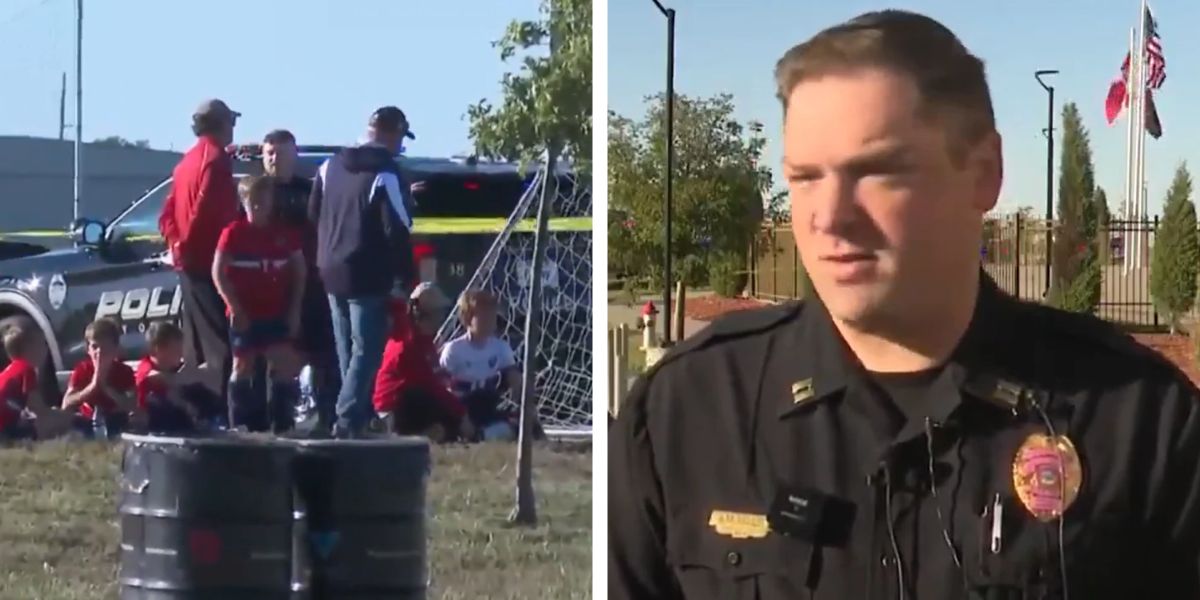
The charges come after investigators tracked Moss to Miracle Village Tiny Homes in Tukwila, where he was reportedly living when he was arrested. According to court documents, the victim was running near the 1900 block of Oakedale Avenue while her son was nearby at soccer practice when a man allegedly followed her on a bicycle and attacked her.
The suspect “put his hands over her mouth and throat and began to strangle her,” at times “causing her to feel like she was going to black out.”
“This victim suffered incredibly traumatizing injuries, including suffocation, multiple times during which she tried to talk down Mr. Moss from further harming her,” a King County prosecutor told the court.
Prosecutors said the woman's attempts to plead for her life appeared to make her attacker angrier. The victim told investigators “she didn’t want to die, and at times during the assault believed the suspect was going to kill her, but that it would be inadvertent.”
The attack was interrupted when another parent whose child was participating in soccer approached on the trail. “The suspect saw this individual who was on the trail, and I think that interrupted him enough for the victim to maneuver and get away and get herself to safety,” Renton Police Cmdr. Susan Lewis said. The attacker also allegedly stole the woman's cellphone and Garmin fitness watch.
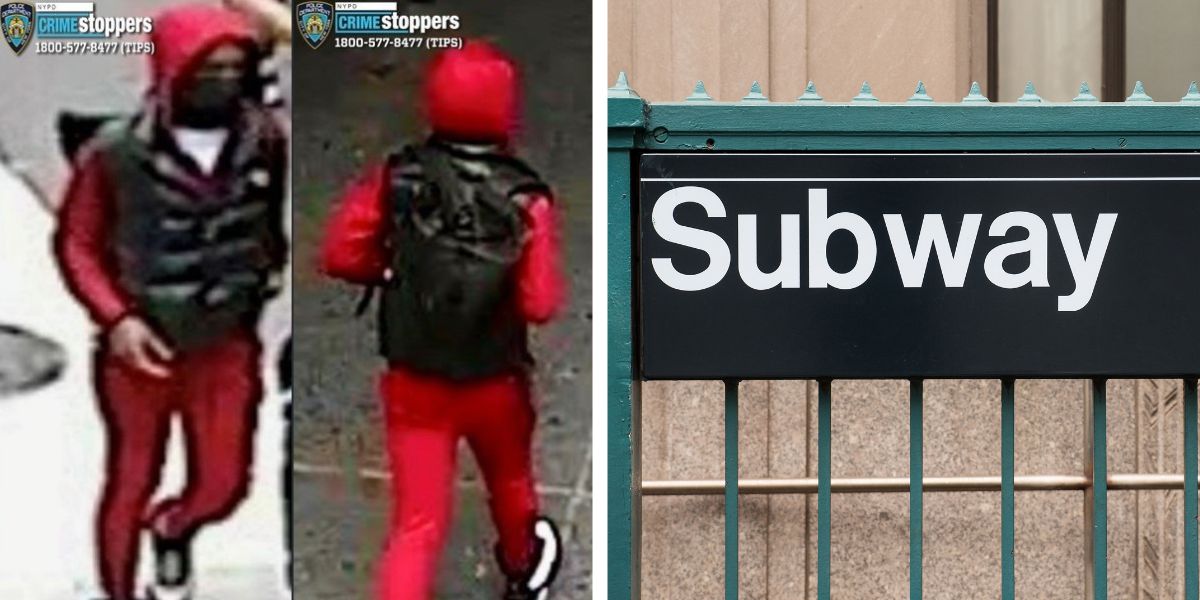
Police released surveillance images and photographs showing the suspect wearing glasses and a distinctive bright purple hoodie with ears attached to the hood. Investigators obtained additional surveillance footage from a nearby Amazon facility before an anonymous tipster recognized the suspect and his distinctive clothing. The tip reportedly came from another resident of the tiny home village and led police to Moss at Miracle Village.
Investigators recovered the distinctive purple hoodie from Moss's laundry, according to charging documents, along with clothing and a backpack resembling those seen in surveillance footage. Police said DNA recovered from a pair of glasses found at the scene matched Moss. The victim also identified him in a photo lineup.
Moss was already a convicted felon at the time of the alleged attack. Prosecutors told the court that he also had two pending matters in mental health court and was in violation of his release conditions after failing to appear for review.
During Moss's initial court appearance, the victim's husband urged the judge to keep him behind bars. “He has shown he has no compassion, no self-respect and no dignity,” the husband said. “There is no amount, no price, no acceptable reason why this person should continue to have any freedom to run, play, and work.”
A judge maintained Moss's bail at $1 million. He is scheduled to be arraigned on Wednesday. The arrest is not the first time a convicted felon wanted by authorities has been discovered living in one of the Seattle area's taxpayer-funded tiny home villages. In August, a federal task force arrested 57-year-old convicted child rapist Timothy Martin at Seattle's Interbay Tiny House Village, operated by the Low Income Housing Institute (LIHI).
Martin had been wanted by the Washington Department of Corrections since December 2021 for violating the conditions of his lifetime supervision after being convicted of first-degree rape of a child for sexually assaulting a 10-year-old girl. He was also wanted on a King County warrant issued in June for allegedly failing to register as a sex offender.
Interbay advertises 24/7 staffing and provides residents with on-site case management, behavioral health services and security. When LIHI opened another Seattle tiny house facility in 2018, the organization said prospective residents would undergo background checks for sex-offender status, active warrants and other criminal histories. It remains unclear whether that policy applies at Interbay.
Martin's arrest came only months after the same Interbay village became embroiled in another controversy. We Heart Seattle founder Andrea Suarez documented what she described as a location being used for fentanyl consumption inside the taxpayer-funded village. LIHI confirmed drug use in the tiny home but described it as a “multi-use room” available for various purposes. LIHI told The Ari Hoffman Show that the space was used to monitor people “experiencing the results of trauma, co-occurring behavioral health issues, including substance use disorder.”
Suarez said she was subsequently barred from returning to the property after releasing the video.
Moss's case raises additional questions about oversight at taxpayer-funded tiny home villages, including what screening was performed before he was housed at Miracle Village and whether village operators knew about his felony record, pending cases or alleged violations of his release conditions.
Despite the controversies surrounding LIHI-operated tiny home villages, King County Executive Girmay Zahilay is proposing millions more in taxpayer funding to expand the model. On Monday, Zahilay unveiled a proposed $19.5 million county investment in shelter and affordable housing as part of his “500 Units in 500 Days” initiative. Among the proposed expenditures is $5 million for King County to partner directly with LIHI to open the 80-unit Spruce Street Tiny House Village in Seattle's Central District in early 2027.
According to the county, approximately 30 of the tiny homes would serve families with children, while another 50 would house singles and couples. Zahilay said the broader funding package demonstrates what can be accomplished when government works with housing providers, labor, and philanthropy, adding, “Every additional home or shelter space means another person or family has a chance to build a more stable future.” The funding proposal still requires approval from the King County Council.
Powered by The Post Millennial CMS™ Comments
Join and support independent free thinkers!
We’re independent and can’t be cancelled. The establishment media is increasingly dedicated to divisive cancel culture, corporate wokeism, and political correctness, all while covering up corruption from the corridors of power. The need for fact-based journalism and thoughtful analysis has never been greater. When you support The Post Millennial, you support freedom of the press at a time when it's under direct attack. Join the ranks of independent, free thinkers by supporting us today for as little as $1.
Remind me next month
To find out what personal data we collect and how we use it, please visit our Privacy Policy


Comments