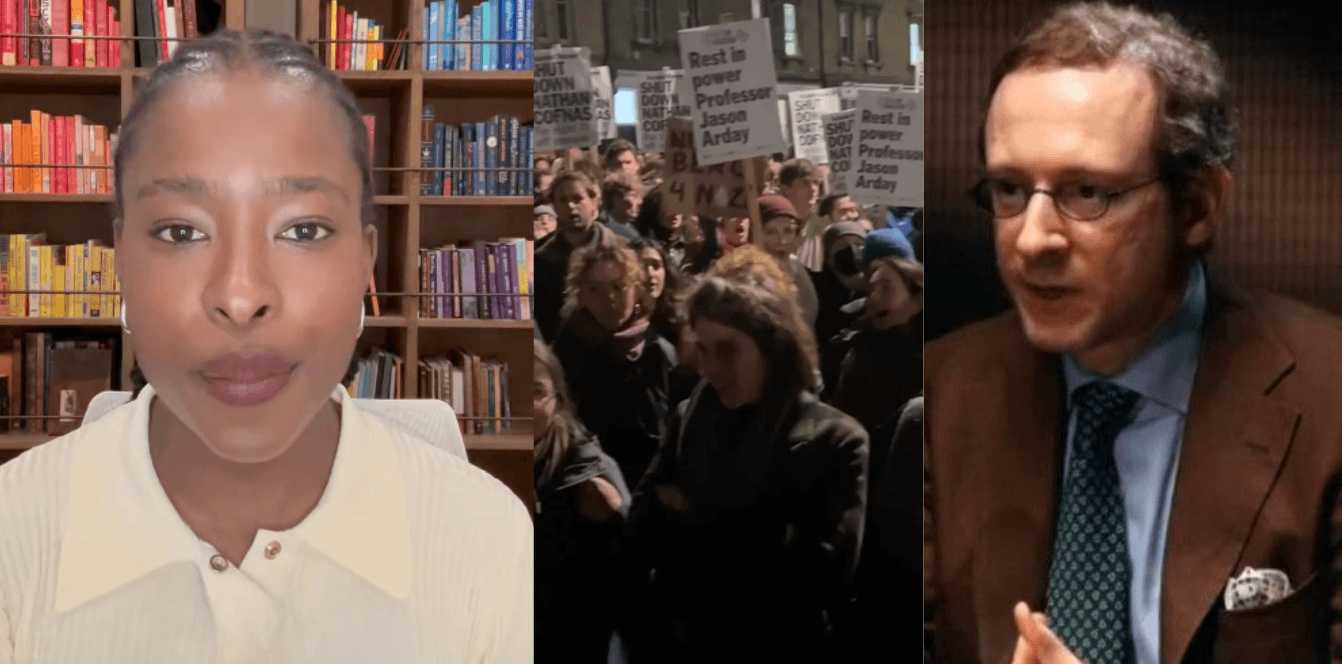
Anthropic's Dario Amodei argued that useless people could be pacified with immersive videogames after AI replaces them
Amodei is not the only tech CEO who has suggested that the biggest problem with AI infiltration is the creation of useless humans.
Amodei is not the only tech CEO who has suggested that the biggest problem with AI infiltration is the creation of useless humans.

Anthropic co-founder Dario Amodei believes that as AI, like the one produced by his company, takes jobs from humans, those humans could be pacified with “immersive videogames.” Mentioned in a Wall Street Journal article about the “Brother-Sister Duo Who Want to Keep Anthropic Weird,” the concept is only mentioned once, way down in the story, after a veritable puff piece on the sibling co-founders Dario and Daniela.
The article speaks about Dario’s work at OpenAI, which he joined in 2016. “There,” the WSJ reports, “he engaged in debates with his fellow employees, suggesting that immersive videogames might be a solution for the political strife caused by AI-induced joblessness, according to widely circulated Slack messages.”
Anthropic has been at the forefront of tech companies warning the public about themselves, with Anthropic co-founder Chris Olah saying that AI could replace workers globally, sending workers with no access to the wealth created by AI into poverty and uselessness.
Microsoft founder Bill Gates has issued warnings, saying that white-collar jobs will be the first to go. These include coding, customer service, accounting, and other areas where people currently sit behind a desk and help people. Robotics, too, is an area Gates thinks is ripe for replacement. He also said AI could cause mass casualties.
Elon Musk, of SpaceX, Tesla, and other tech companies, says AI will replace humans at work “like lightning.” He made the prediction during an appearance on Joe Rogan’s podcast in 2025. He has also proposed a universal basic income program that would provide cash for those who are no longer employable in an AI world.
"AI is really still digital,” Musk said. “Ultimately, AI can improve the productivity of humans who build things with their hands or do things with their hands, like literally welding, electrical work, plumbing, anything that's physically moving atoms, like cooking food or farming… Like anything that's physical, those jobs will exist for a much longer time."
“But anything that is digital, which is like just someone at a computer doing something, AI is going to take over those jobs like lightning,” he said. He believes that AI, however, in terms of healthcare will be a boon.
Yuval Noah Harari spoke about his concerns as regards the uselessness of humanity around the same time that Amodei did, in 2015. “Yes,” he said, responding to a question from Daniel Kahneman, “the social side is the more important and more difficult one. I don't have a solution, and the biggest question maybe in economics and politics of the coming decades will be what to do with all these useless people.
“I don't think we have an economic model for that. My best guess, which is just a guess, is that food will not be a problem. With that kind of technology, you will be able to produce food to feed everybody. The problem is more boredom, and what to do with people, and how will they find some sense of meaning in life when they are basically meaningless, worthless.
“My best guess at present is a combination of drugs and computer games as a solution for most ... it's already happening. Under different titles, different headings, you see more and more people spending more and more time, or solving their inner problems with drugs and computer games, both legal drugs and illegal drugs. But this is just a wild guess.”
However, in May 2026, OpenAI’s Sam Altman said he believed some of the earlier concerns about rapid job loss were premature. “I’m delighted to be wrong about this,” he said. “I thought there would have been more impact on entry-level white-collar jobs being eliminated by now than has actually happened.”
It’s not just tech CEOs who have issued warnings about the impact of AI on human work. For decades upon decades, sci-fi and speculative fiction writers have offered their assessment of what could happen to humans in a fully automated world. EM Forester’s The Machine Stops wrote about how humans in a fully AI world will not recognize their own uselessness. Mike Judge’s Idiocracy predicts that as humans are replaced, they will devolve into celebrating their own worst habits and be unable to work for their own survival.
Libby’s Desk
Commentary and must-reads from Libby’s desk, straight to your inbox.
TPM Newsletter
The Post Millennial’s top stories, delivered to your inbox.