Black historian claims it’s racist to question her research after scholars scrutinize ‘sloppy’ work
“The attack on black women academics is real.”
“The attack on black women academics is real.”
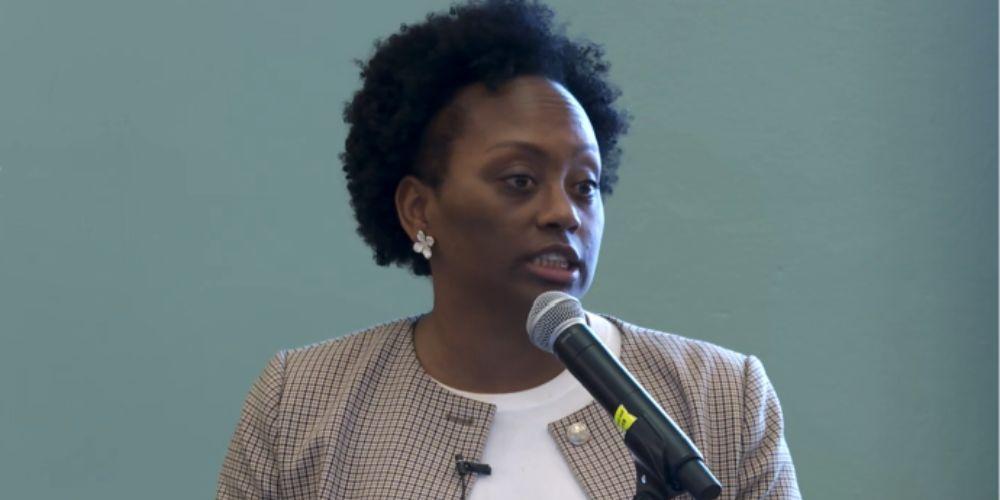
Kerri Greenidge, author of the 2022 book "The Grimkes" about a South Carolina slaveholding family that later joined the abolitionist cause, has said that the criticism against her book is racist. Historians have questioned its accuracy, among them Myra Glenn, a retired American history professor at Elmira College.
While reviewing the book in 2024, Glenn said the book was "deeply flawed," writing that Greenidge "all too often lacks the evidence to substantiate many of her major claims," and that "her work is also riddled with factual errors and repeatedly omits needed endnotes."
When the New York Times asked Greenidge about these and other problems uncovered through Glenn's review, Greenidge framed herself as the victim telling the paper, "I am heartbroken that a field I have given my life to can treat me this way," and added, "the attack on black women academics is real." While she denied any plagiarism or invented material, she admitted, "Are there citations that were misattributed? Probably."
As a result of the firestorm, "The Grimkes" has disappeared from Greenidge's author page on her publisher's site, and her name no longer appears as a Joan Kelly Prize winner on the American Historical Association website. Greenidge has also appeared to have lost her job as a tenured professor at Tufts University's Department of Studies in Race, Colonialism, and Diaspora.
When she was asked about the mounting scrutiny, Greenidge again pointed to racism and accused two senior historians on Tufts' review panel of being "hostile toward black women in academia" and claimed the review began because of a complaint from a white scholar.
Another one of her books “Black Radical,” is now under scrutiny as well. The biography is about civil rights activist William Monroe Trotter, and received glowing reviews. However, Historian and author Stephen Fox, who wrote a biography about Trotter in 1970 said that the material did not match much of what he studied.
"I started to think maybe it wasn’t just sloppy," he told the Times after hearing about "The Grimkes" book situation. "I think it’s something deeper."
Libby’s Desk
Commentary and must-reads from Libby’s desk, straight to your inbox.
TPM Newsletter
The Post Millennial’s top stories, delivered to your inbox.