DOJ withdraws subpoenas against NYT journalists after judge says he would reject them
“Subpoenas are the last step, not the first step, but the last step,” Subramanian said.
“Subpoenas are the last step, not the first step, but the last step,” Subramanian said.
The Justice Department withdrew subpoenas Thursday that sought to force three New York Times reporters to reveal their sources for stories about President Donald Trump’s Qatar-funded Air Force One replacement, following sharp criticism from a federal judge over the government’s handling of the matter, per the AP.
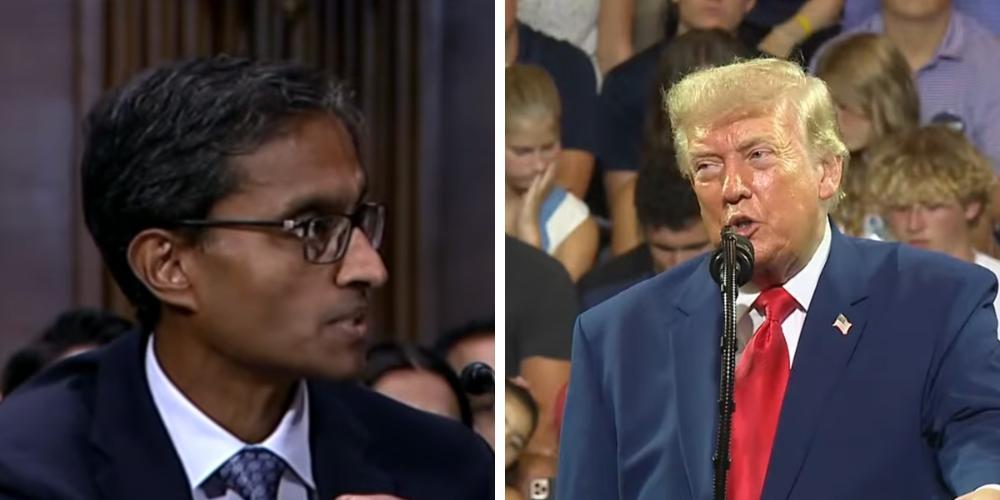
The decision came after a tense hearing in U.S. District Court, where Judge Arun Subramanian questioned government attorneys about why they moved to subpoena journalists before exhausting other investigative options. The judge criticized the Justice Department’s approach, saying protections for reporters require subpoenas to be used only as a last resort.
“Subpoenas are the last step, not the first step, but the last step,” Subramanian said, arguing that the government had effectively reversed the intended safeguards designed to protect journalists and their First Amendment rights.
The judge said he would have rejected the subpoenas otherwise if the government had not withdrawn them, saying the department’s actions raised serious concerns. The subpoenas were part of a broader Justice Department effort to investigate potential leaks of government information. The administration has defended the move, arguing that journalists themselves were not targets of the investigation, but rather individuals who may have disclosed classified information.
The Times had challenged both the grand jury subpoenas seeking reporter testimony and additional subpoenas requesting phone records from several journalists, their relatives, and spouses. The newspaper said the government’s actions were too broad and could be an attempt to investigate journalists’ source relationships beyond the specific articles in question. The dispute centered around Times reporting on Trump’s use of a new Boeing 747 aircraft gifted by Qatar and upgraded at an estimated cost of $400 million. The newspaper reported that Trump used an older Air Force One aircraft after concerns from security officials that the newer plane lacked certain protective capabilities.
The Justice Department said it followed its own procedures and had taken investigative steps before seeking the subpoenas. However, the Times argued officials acted improperly by seeking extensive records and failing to provide adequate notice before attempting to obtain journalists’ information.
The withdrawal marks another recent setback for the administration’s efforts to compel journalists to identify confidential sources. The Justice Department recently abandoned similar subpoenas involving reporters from The Washington Post and The Wall Street Journal.
Libby’s Desk
Commentary and must-reads from Libby’s desk, straight to your inbox.
TPM Newsletter
The Post Millennial’s top stories, delivered to your inbox.