EXCLUSIVE: Washington Labor & Industries opens investigation into hazardous conditions at Seattle Public Library
“These inspections can take up to 6 months to complete.”
“These inspections can take up to 6 months to complete.”
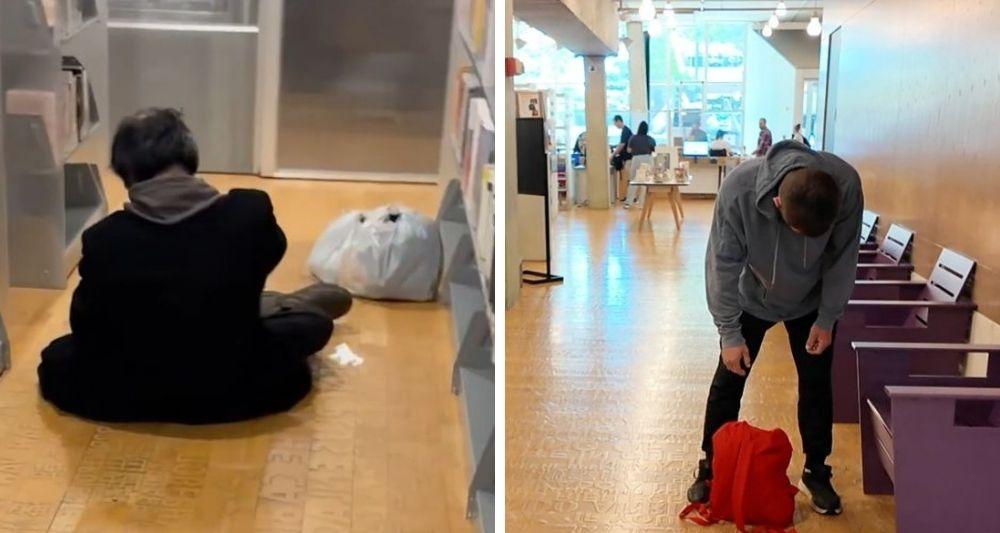
Washington state labor officials have opened a formal workplace-safety inspection into conditions at the Seattle Public Library after receiving a complaint documenting employee exposure to used needles, biohazards, drug fumes, overdoses, and violence.
The Washington Department of Labor & Industries confirmed the investigation following a workplace-safety referral filed with the agency’s Division of Occupational Safety and Health (DOSH) on August 24.
“In the matter of employee exposure to hazards at the Seattle Public Library, we have opened an inspection,” an L&I spokesperson said. “These inspections can take up to 6 months to complete.”
The inspection follows a third-party referral asking state regulators to review conditions at Seattle Public Library’s Central Library and Capitol Hill Branch. The filing was based on recorded observations, published reporting, official library statements, and the library’s own employment materials.
The complaint alleged that there had been repeated risk of employee exposure to contaminated needles and other sharps, blood and other potentially infectious materials, human waste, suspected drug smoke or vapor, overdose and CPR responses, and assaults or weapons-related incidents.
A major basis for the complaint was a Frontlines report by journalist Savannah Hernandez documenting conditions in and around Seattle Public Library facilities. The complaint specifically cited portions of the video showing or describing conditions at the Central Library and Capitol Hill Branch.
Loading this lets X set cookies and collect data.
View on XAccording to the complaint, Hernandez’s report showed or described discarded drug paraphernalia near the Central Library, including drug baggies, fentanyl foil, and alcohol pads said to contain blood. It also noted the danger loose needles and other contaminated sharps pose to custodians, facilities workers, security personnel, librarians, and contractors responsible for cleaning restrooms and handling trash.
The report also featured local activist Andrea Suarez, identifying urine, human feces, and blood-marked alcohol pads outside the Central Library, describing the area as a biohazard. The complaint asked DOSH to determine which library employees or contractors are responsible for inspecting or cleaning entrances, sidewalks, loading areas, restrooms, and other areas where human waste or contaminated drug debris is present.
Loading this lets X set cookies and collect data.
View on XHernandez’s report also described suspected drug use inside library restrooms and noted the presence of specialized air-quality sensors at multiple branches. The complaint asked investigators to examine whether employees are being exposed while entering restrooms, responding to complaints, cleaning affected areas, or reopening facilities after sensor alerts.
The Frontlines report further stated that library staff have been trained to administer naloxone during overdoses. The complaint did not allege that the availability of naloxone itself violated workplace-safety rules, but asked L&I to determine whether employees responding to overdoses are being properly protected from exposure to blood and other potentially infectious materials and whether appropriate training and protective equipment are provided.
The report also described employees working while patrons of the library were screaming, behaving erratically, apparently impaired, or occupying passageways and enclosed spaces. According to the complaint, Hernandez reported that security guards generally intervened only after behavior escalated into an overt disturbance or fight. DOSH was asked to examine whether library safety procedures adequately address recurring violence and behavioral risks.
Among the evidence submitted to state investigators was a March 2026 City of Seattle job posting for a Central Library janitor that specifically requires workers to clean up blood, vomit, urine, and feces, remove drug paraphernalia including used needles, sanitize areas for pathogen control, and work with hazardous substances while wearing protective equipment.
The filing also cited previous incidents involving Seattle library employees and drug-related hazards. In 2018, a Seattle Public Library custodian was punctured by a hypodermic needle while removing restroom trash and was taken to a hospital. The incident led SPL to announce a sharps-container pilot at several branches.
Seattle Public Library previously acknowledged that employees reported feeling sick after exposure to drug-related fumes. The system installed drug sensors at several branches, including Capitol Hill, and began temporarily closing restrooms after alerts. Library officials said that before the sensors were installed, workers sometimes learned of suspected drug use only after fumes reached service desks or employees entered bathrooms following complaints.
The complaint further noted that public-health records documented 18 suspected opioid overdoses at or near Seattle libraries between January 2019 and July 2022. Library employees have also administered naloxone and performed CPR during medical emergencies, including during a February 2026 incident at the Rainier Beach Branch.
Safety concerns have extended beyond drugs and biohazards. Seattle Public Library acknowledged serious incidents in late 2025 involving robbery, assaults on employees or patrons, weapons threats, indecent exposure, and disruptive individuals refusing to leave. In one case, according to the library, a patron repeatedly assaulted two security officers and injured one of them.
The referral asked DOSH to conduct inspections during normal operating hours, privately interview affected employees where permitted, and examine the library’s accident-prevention and exposure-control programs, employee training, personal protective equipment, sharps records, drug-sensor alerts, overdose responses, security incidents, and contractor practices.
The filing asked state regulators to independently determine whether Seattle Public Library has adequately protected employees who may encounter the hazards while cleaning facilities, responding to emergencies, handling waste, or working with members of the public.
Loading this lets Rumble set cookies and collect data.
View on RumbleLibby’s Desk
Commentary and must-reads from Libby’s desk, straight to your inbox.
TPM Newsletter
The Post Millennial’s top stories, delivered to your inbox.