First American dies from tick-borne alpha gal meat allergy hours after eating hamburger
Alpha-gal syndrome triggers an allergic reaction after people eat meat or consume products containing alpha-gal, a type of sugar found in most mammals.
Alpha-gal syndrome triggers an allergic reaction after people eat meat or consume products containing alpha-gal, a type of sugar found in most mammals.
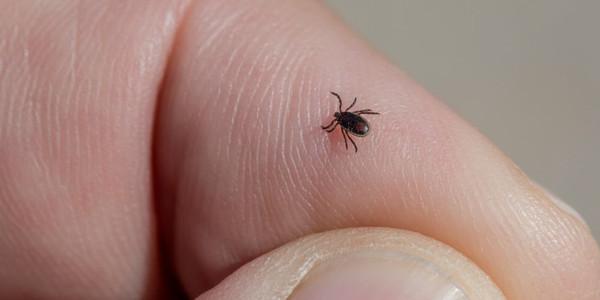
A New Jersey man is believed to be the first documented person to die from a meat allergy that is triggered by tick bites.
The man, a 47-year-old airline pilot who was otherwise healthy, is believed to have died from alpha-gal syndrome after a camping trip, according to the case detailed in a study from the University of Virginia School of Medicine and Hackensack Meridian Health. He reportedly went camping with his wife and children in the summer of 2024, where a few hours after eating beef steak, he woke up with abdominal discomfort that led to diarrhea and vomiting. His condition improved, and he considered consulting a doctor but chose not to.
Two weeks later, he attended a barbecue in New Jersey with his wife and ate a hamburger. Four hours later, he was found unconscious on the bathroom floor. Paramedics attempted to resuscitate him and transported him to a hospital, where he was pronounced dead.
The initial cause of death was ruled sudden unexplained death. After the wife provided the autopsy report to a doctor who forwarded it to an allergy specialist, the specialist determined that the man had suffered an extreme reaction to alpha gal. His wife said he had been bitten by ticks earlier in the year, noting that he had 12 or 13 "chigger" bites around his ankles, a term often used to describe the larvae of lone star ticks, according to ABC News.
The CDC reports that alpha-gal syndrome triggers an allergic reaction after people eat meat or consume products containing alpha-gal, a type of sugar found in most mammals. It is most often caused by bites from Lone Star ticks. The CDC estimates more than 110,000 cases were identified between 2010 and 2022. Symptoms include hives or a rash, nausea or vomiting, heartburn or indigestion, diarrhea, stomach pain, and shortness of breath.
Libby’s Desk
Commentary and must-reads from Libby’s desk, straight to your inbox.
TPM Newsletter
The Post Millennial’s top stories, delivered to your inbox.


