
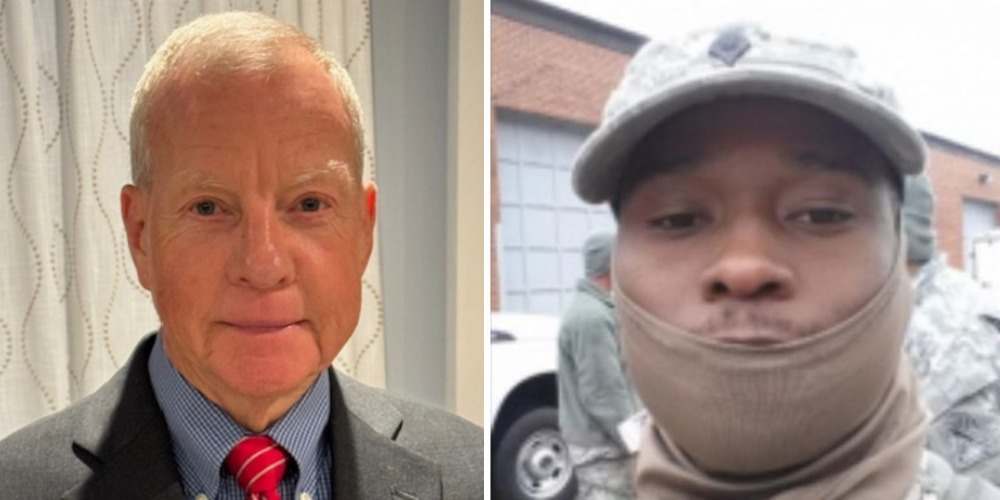
"I think that the ultimate sentence that I hand down should reflect the good things you have done as well as the horrendous things."

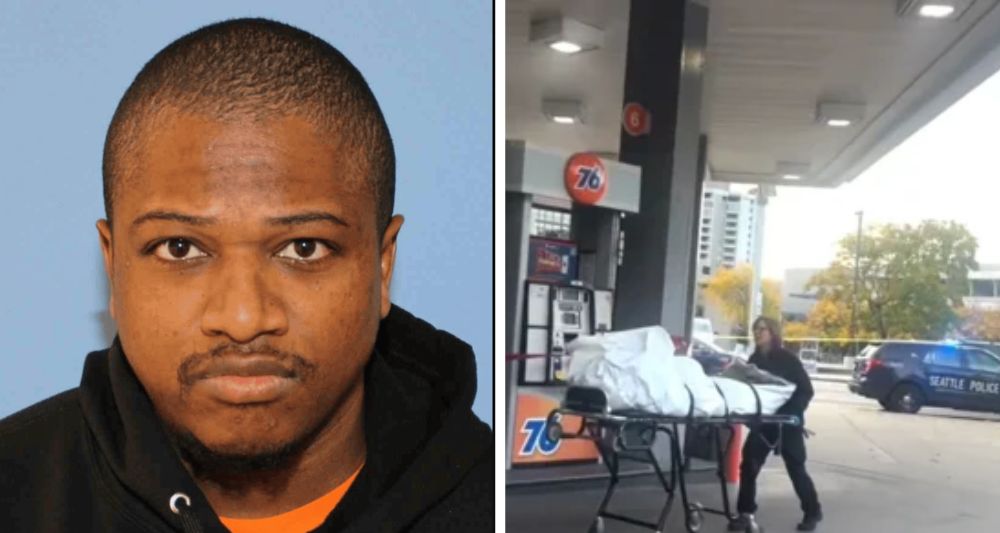
Mohamed Jalloh has been identified by the FBI as the shooter responsible for killing one and injuring two others at Old Dominion University in Virginia on Thursday. In 2017, Jalloh was sentenced to 11 years in prison for attempting to provide material support to a terrorist organization.
Overseeing the case was since-retired Judge Liam O’Grady for the Eastern District of Virginia, who was appointed to the role in 2007 by then-President George W Bush and retired in 2023. At Jalloh’s February 2017 sentencing hearing, O’Grady told the defendant the sentencing decision should "reflect the good things you have done as well as the horrendous things." The federal government sought a 20-year sentence for Jalloh.
O’Grady said before delivering his decision, "You had a terrible upbringing, and you were able to overcome that and come here and become a naturalized citizen, and go to college, and work, and join the National Guard. And then you took a 90-degree turn and radicalized very quickly. And while in Africa you decided to join ISIL [ISIS] and go fight on the front lines against the United States and others, and continued to support them after you decided not to go to the front lines by providing them with money," per a court transcript.
"You knew that Sudani was trying to hatch a plan to kill servicemen here in the United States, you supported that. You went actively looking for that AK-47. You spent a significant amount of time reviewing the actions of other terrorists here in the United States and how they had been successful, and expressed admiration for their work in killing people that they had done. And you stopped when you got caught and you were arrested."
Per the Department of Justice, Jalloh pleaded guilty in 2016 to attempting to provide material support to the Islamic State of Iraq and the Levant (ISIL). Earlier that year, a member of the ISIL located overseas, Abu Saad Sudani, put Jalloh in contact with a person in the US who was actually an FBI confidential human source. The ISL member, who was dead by the time of the court proceedings, "was actively plotting an attack in the U.S. and believed the attack would be carried out with the assistance of Jalloh and the CHS," the DOJ said.
O'Grady continued, "And so, what I looked for in this case was whether — or one of the things I looked for was did you try and — did you come to your senses on your own? Did you need to be arrested first? And it's clear from the evidence that you stopped because you got arrested. And it's unclear exactly where you were going, but you never ceased to support ISIL until you were arrested."
O’Grady said that arguments presented in the case "fit well within the Court's authority to vary downward" in sentencing "under the 3553 factors in looking at the nature of the offense and also looking at the need to deter you from future violent crimes. You have no criminal history, and you have been a law-abiding citizen and a member of the National Guard." Jalloh quit the National Guard when he began to support Al Qaeda.
"So I think that the ultimate sentence that I hand down should reflect the good things you have done as well as the horrendous things. But the offense here, as Mr. Gibbs has stated, is really troubling because you were willing to take significant steps to support ISIL even though you had spent six years in the National Guard. And that is so hard to really understand in looking at your background.
"And as a result, it merits a very significant sentence to deter others because of the nature of the offense itself, and the purpose of the domestic terrorist act here and the things that you did to further that. I am going to sentence you to 132 months of incarceration. Five years of supervised release. A $100 special assessment. I will not impose a fine or costs because I find that you are unable to afford them."
As part of the supervised release, Jalloh was barred from "associating or communicating with any terrorist organization," and required to "participate in a program for substance abuse testing and treatment as directed by the Probation Office" as well as mental health treatment. "I will ask that you be evaluated for the residential drug program. And also the re-entry program at the end of your sentence," O’Grady said.
Powered by The Post Millennial CMS™ Comments
Join and support independent free thinkers!
We’re independent and can’t be cancelled. The establishment media is increasingly dedicated to divisive cancel culture, corporate wokeism, and political correctness, all while covering up corruption from the corridors of power. The need for fact-based journalism and thoughtful analysis has never been greater. When you support The Post Millennial, you support freedom of the press at a time when it's under direct attack. Join the ranks of independent, free thinkers by supporting us today for as little as $1.
Remind me next month
To find out what personal data we collect and how we use it, please visit our Privacy Policy



Comments