
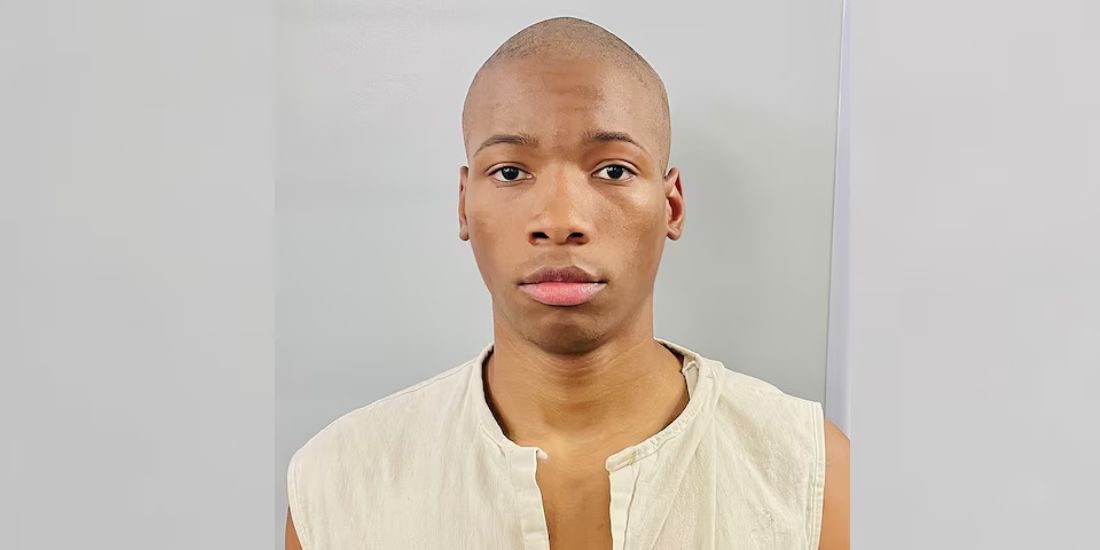
The appeal filing claims that Anthony is a "penniless, destitute, and indigent person."

The case caught national attention with some coming to the defense of Anthony despite the conviction. Anthony said he acted in self defense, but a jury did not agree and found him guilty of murder despite the charge of manslaughter being available.
The appeal filing claims that Anthony is a "penniless, destitute, and indigent person, too poor to employ counsel to represent me on the appeal."
"After the conclusion of the trial yesterday, we gave the court our official notice that Karmelo Anthony is filing an appeal," said Mike Howard, who represented Anthony at trial. "We believe there are several important issues for the appellate courts to consider. An appeal is the next part of the legal process and a right afforded every American."
Under Texas law, a convicted individual has a 30-day window following sentencing to formally notify the court of an intended appeal and commitment to pursuing the process, per WFAA.
The Wednesday filing gives no indication of the specific grounds Anthony plans to appeal on. Family spokesperson Dominique Alexander has said that Anthony did not receive a fair trial because there were no black jurors on the case. It was widely reported that the jury was all-white, but this was shown to be false by first-hand accounts from reporters in the court room, who said there were other minorities present.
Should a judge rule him indigent, his appointed appellate attorneys would then argue that errors made during the trial warrant his conviction to be overturned.
Since the stabbing last year, Anthony's family had been fundraising online to cover his defense costs as well as living expenses on GiveSendGo, and it remains uncertain how those funds might affect any indigency determination. The page raised some $630,000 to cover his legal expenses, but it was yanked by the website after his conviction.
A future appeal may involve a "Batson challenge" since Anthony's lawyers had claimed that prosecutors struck three jurors because of their race. Prosecutors said they had other reasons for removing the jurors from the pool of potentials, such as their employment as teachers, and the judge agreed with their reasoning.
Unlike some convictions where defendants may be released on bond during the appeals process, that option is not available for murder convictions in Texas.
Powered by The Post Millennial CMS™ Comments
Join and support independent free thinkers!
We’re independent and can’t be cancelled. The establishment media is increasingly dedicated to divisive cancel culture, corporate wokeism, and political correctness, all while covering up corruption from the corridors of power. The need for fact-based journalism and thoughtful analysis has never been greater. When you support The Post Millennial, you support freedom of the press at a time when it's under direct attack. Join the ranks of independent, free thinkers by supporting us today for as little as $1.
Remind me next month
To find out what personal data we collect and how we use it, please visit our Privacy Policy




Comments