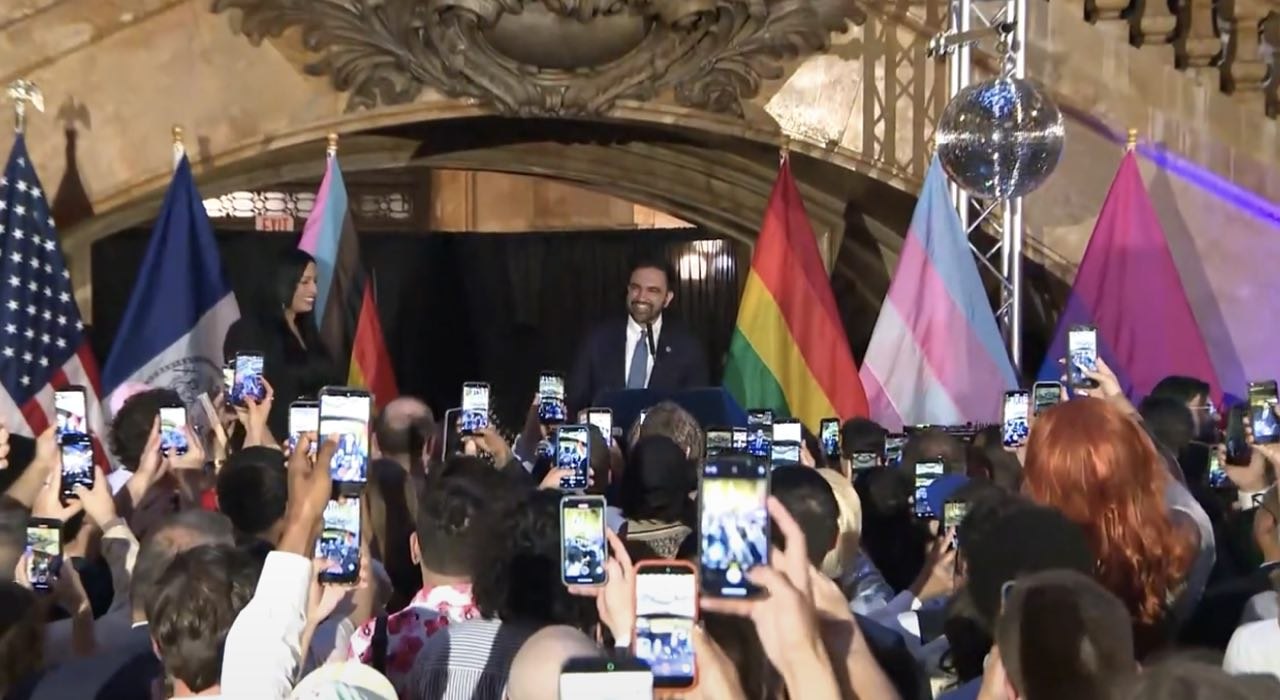
A Signal group where influencers are fed talking points has over 200 members, some of whom have 5-10 thousand followers while others have millions.

"Influencers in the Signal group are not paid by the city for their coverage, although some are paid by city agencies for work on particular messaging campaigns," CJR writes. They spoke to city workers who said that influencers are paid to "disseminate messages" and that it's cheaper than using traditional TV or radio ads. The influencers, however, are not required to disclose their affiliation. CJR created a list of 189 influencers who are part of the Mamdani army.
Questions about the use of Signal were raised, as well as concerns about the sheer cost that was associated with paying influencers for their propaganda.
CJR reports that agency staffers they spoke with said that influencers are getting $5,000 to $20,000 per campaign and that "the fees are paid to influencers who are given contracts by marketing and advertising agencies that have contracts with the city." The advertising companies likely work as a pass-through for the influencers so that the taxpayer funds are not going directly to influencers, but to ad agencies, which then pay the influencers themselves. Influencers work as independent contractors to those ad companies.
"Spending fifty thousand dollars on influencers gets you ten influencers who can replicate the message, while fifty thousand dollars on a TV ad is only one or two ads, and you cannot be sure anyone sees them, so talking about the math, that is the way to go. And once Mamdani won, he elevated all of this, and that is where we are today," said Jose Bayona, who is the founding executive director of the New York City Mayor's Office of Ethnic and Community Media, though he left that post under Mayor Eric Adams in May 2024.
There's a lack of transparency about the relationships, however, with CJR saying that the mayor's office did not respond to their request for information. They also said that taxpayer money isn't being spent on influencers, but that the "procurement notices signed with the marketing and advertising agencies that handle the influencer contracts do not list the names of content creators."
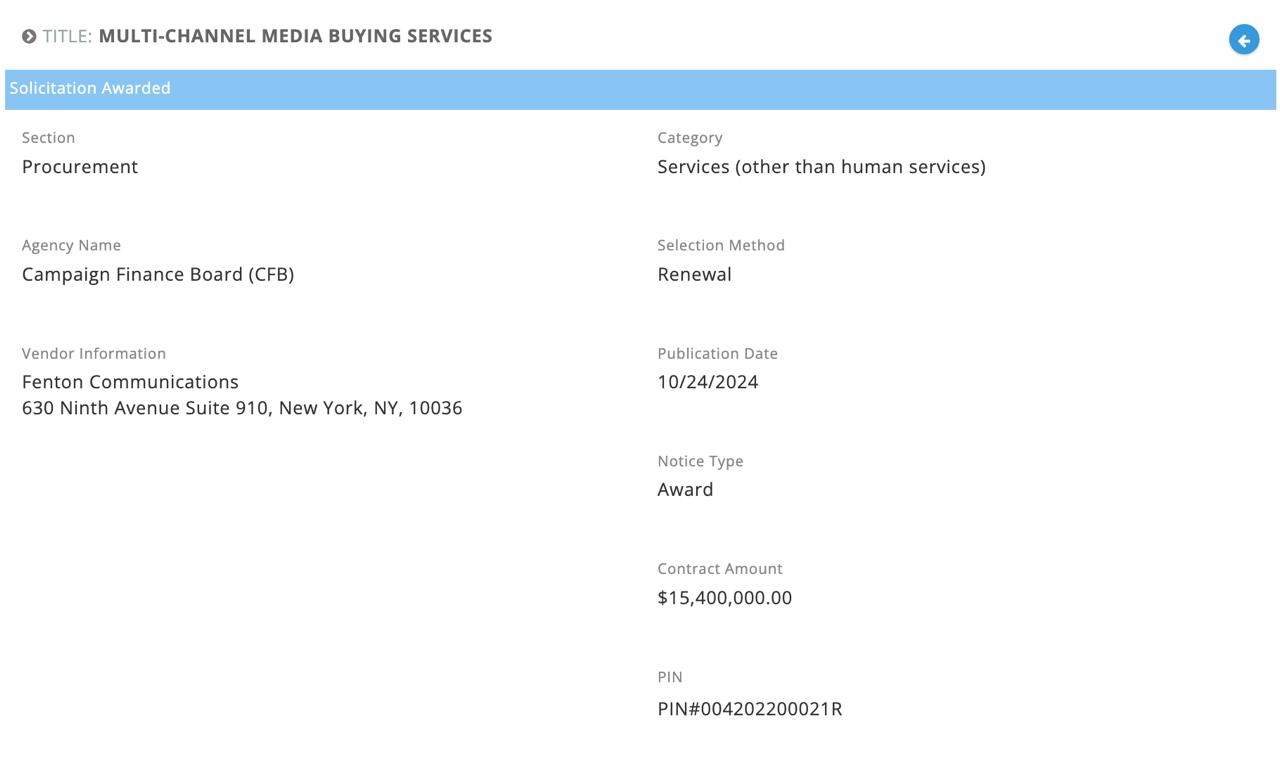
One of those from the Campaign Finance Board offers a procurement for Multi-Channel Media Buying Service for over $15 million.
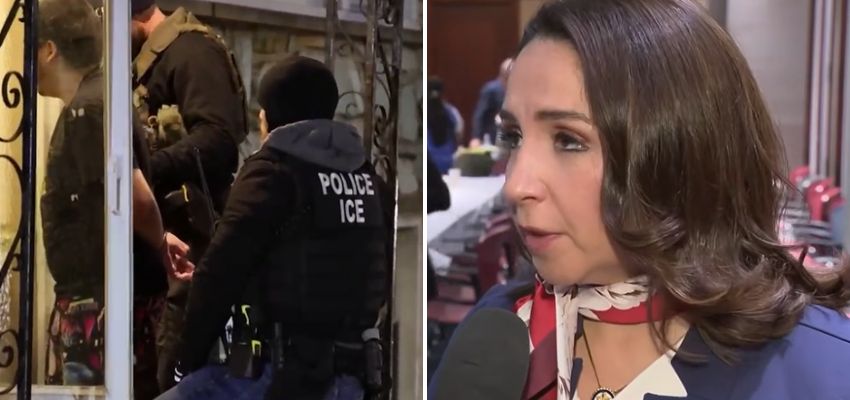
Whether it's going to vote, composting, promoting anti-ICE sentiment, or even just tending to their personal health, these influencers take their marching orders from. The Columbia Journalism Review reports that "there are two types of relationships in place" when it comes to Mamdani's influencer army.
These consist of what they call "pilot programs" to promote city initiatives and also a Signal group chat just for influencers where the mayor's office sends out "daily updates, talking points, and clips to use in their posts." This is also where they're invited to official events. The group formed out of the Creators4Zohran group that fueled his campaign as the first Muslim mayor of New York City.
The influencers serve more as boosters for Mamdani as opposed to journalists who ask tough questions and seek truth. Influencers, by design, seek clicks and both promote and affirm the mayor's plans and initiatives. Many city agencies work with influencers.
The NYC Campaign Finance Board claims that working with influencers helps them reach underserved populations, which is part of its mandate. NYC Votes also uses influencers to push their "get out the vote" message.
Other agencies that use paid influencers to reach constituents include New York City Health + Hospitals, the NYC Campaign Finance Board, the Metropolitan Transportation Authority, the Department of Sanitation, and others. Influencers, say CJR, believe they are providing a public service.
Powered by The Post Millennial CMS™ Comments
Join and support independent free thinkers!
We’re independent and can’t be cancelled. The establishment media is increasingly dedicated to divisive cancel culture, corporate wokeism, and political correctness, all while covering up corruption from the corridors of power. The need for fact-based journalism and thoughtful analysis has never been greater. When you support The Post Millennial, you support freedom of the press at a time when it's under direct attack. Join the ranks of independent, free thinkers by supporting us today for as little as $1.
Remind me next month
To find out what personal data we collect and how we use it, please visit our Privacy Policy




Comments