California moves to ban use of AI ‘surveillance pricing’ by online retailers, grocery stores
The bill would ban what the text calls “surveillance pricing,” or the use of personalized data in order to adjust prices charged to paying customers.
The bill would ban what the text calls “surveillance pricing,” or the use of personalized data in order to adjust prices charged to paying customers.
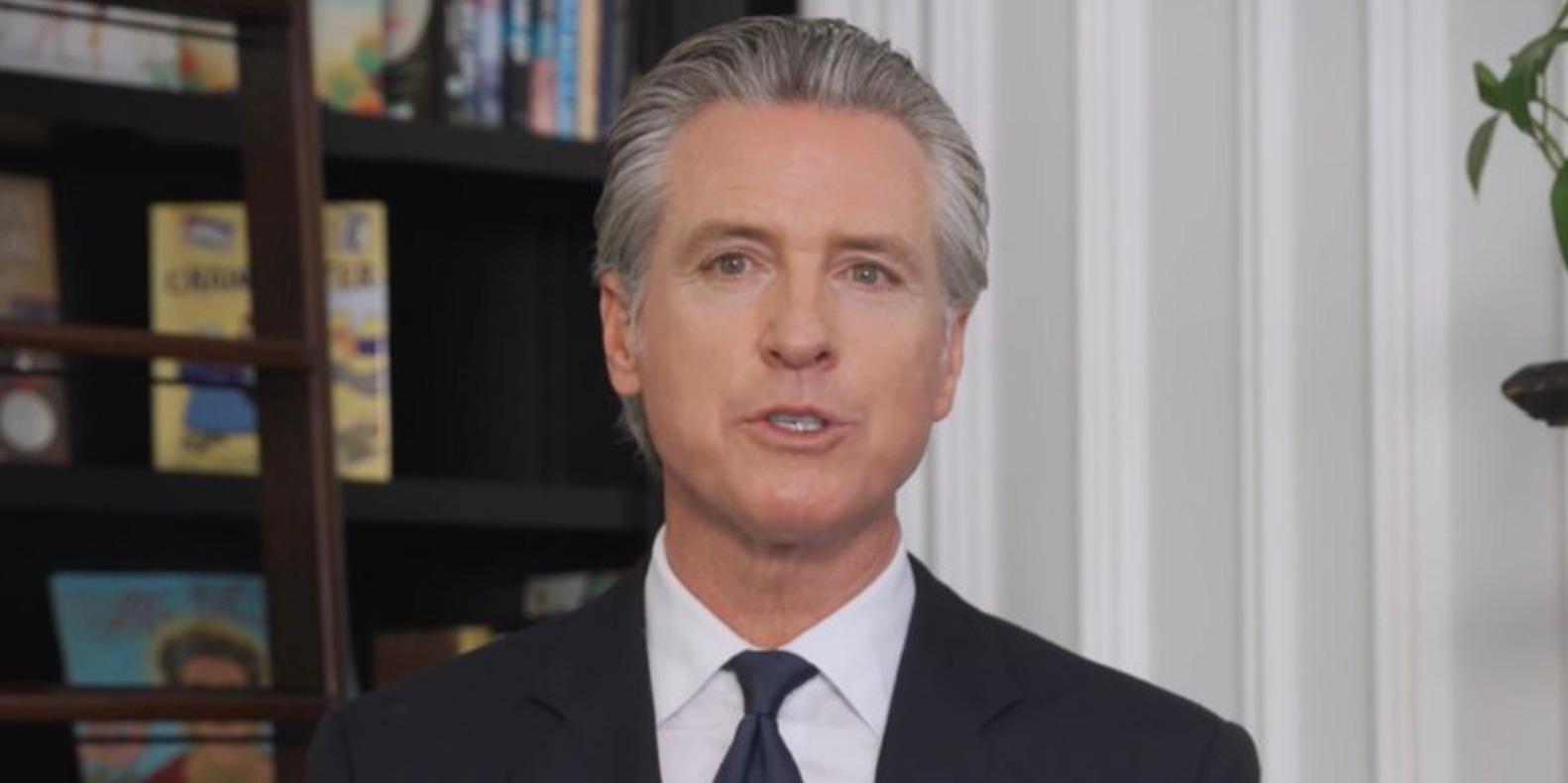
Companies are increasingly using AI to look through people's search history and data in order to set and adjust prices on what they are willing to pay for. California lawmakers are moving to ban the practice.
On Monday, Assembly Bill 2564 passed out of the California State Senate and was then passed by the Assembly, however, the bill missed a midnight deadline to advance to Governor Gavin Newsom's desk. The bill would ban what the text calls "surveillance pricing," or the use of personalized data in order to adjust prices charged to paying customers.
The model of surveillance pricing works similarly to how one is targeted with personalized ads online, which takes into account your personalized data, income level, zip code, and other factors. Business law and ethics Professor Abbey Stemler at Indiana University’s Kelley School of Business told the LA Times, “You could make an analogy to personalized advertising. How we’re constantly getting ads on Facebook that are really tailored to us. They’re using that same type of technology where they’re taking our individual data acquired by the companies themselves, or purchased through data brokers.”
Although there is not as much data regarding the pricing strategy, there have been multiple instances where companies have been hit with allegations that they engage in the pricing discrimination strategy.
Target reached a $5 million settlement with the state of California in 2022 when there were allegations that the company was charging different prices for a product depending on the location of the buyer.
Additionally, an investigation last year from Consumer Reports detailed that Kroger had profiles on shoppers to create personalized discounts for them. However, the information about the customers can be wrong. In one instance, the store was wrong about how many kids he had as well as his education. “It’s potentially extremely unfair, because sometimes those judgments aren’t correct,” Stanford Institute for Human-Centered Artificial Intelligence fellow Jen King said.
In 2025, a resident in New York filed a lawsuit against JetBlue Airlines with the inclusion of a screenshot from a post on X. One user said they were trying to "make it to a funeral," but said that flight prices overnight increased by $230. Someone from JetBlue told them to clear their search history in response.
The bill in California would follow the same pattern as laws restricting the practice in New Jersey. A similar bill has passed through the New York legislature and is waiting on Kathy Hochul's signature.
Assemblymember Christopher M. Ward, who is the author of the bill, said, “I think that there’s a fairness question. That because you live in California and we have, on average, higher median incomes, some computer algorithm would infer that you are able to pay higher prices than somebody who lives in Arizona.”
Loading this lets Rumble set cookies and collect data.
View on RumbleLibby’s Desk
Commentary and must-reads from Libby’s desk, straight to your inbox.
TPM Newsletter
The Post Millennial’s top stories, delivered to your inbox.


