Career criminal who sold fentanyl, cocaine in Seattle homeless encampments sentenced to two years
“It is aggravating that you were selling significant amounts of cocaine and fentanyl to some of the most marginalized members of our community,”
“It is aggravating that you were selling significant amounts of cocaine and fentanyl to some of the most marginalized members of our community,”

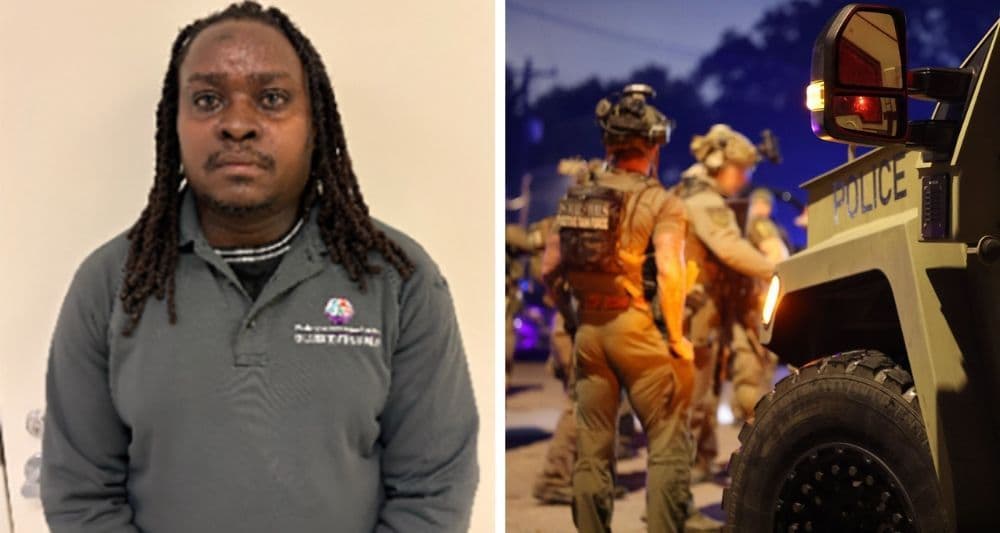
A Seattle drug dealer who distributed fentanyl and cocaine in homeless encampments and the city’s Chinatown-International District has been sentenced to two years in federal prison following an investigation sparked by drug-related violence around the encampments.
Sang Su, 46, possessed a loaded firearm while participating in a trafficking organization that supplied drugs to vulnerable communities, according to federal authorities. He pleaded guilty on July 2, 2026, to conspiracy to distribute a controlled substance and has been in custody since his August 2025 arrest.
“It is aggravating that you were selling significant amounts of cocaine and fentanyl to some of the most marginalized members of our community,” US District Judge Tana Lin said at sentencing.
The investigation began in 2023 after incidents of drug trafficking-related violence in and around homeless encampments in Seattle’s Chinatown-International District and the Interstate 5 greenbelt commonly known as the “Jungle.” The FBI and Seattle Police Department launched an investigation into people distributing drugs in those areas.
Investigators intercepted Su discussing cocaine distribution and obtaining “samples” of fentanyl powder during a wiretap investigation, according to the US Attorney’s Office for the Western District of Washington.
In October 2024, officers stopped Su after he purchased drugs from the organization’s leader at a Beacon Hill market. Authorities seized drugs and a firearm from his vehicle.
“As a redistributor, Mr. Su contributed to the high volumes of deadly and addictive drugs this drug trafficking organization poured into our most vulnerable communities,” said W. Mike Herrington, special agent in charge of the FBI’s Seattle field office. “He directly interacted with the group leader and further endangered the public by possessing a loaded firearm to protect the proceeds of the trafficking.”
The broader investigation resulted in authorities executing 16 search warrants across Washington, Oregon, and California on May 29, 2025. Investigators seized more than seven kilograms of cocaine, 18 kilograms of methamphetamine, more than 57,000 fentanyl pills, 17 firearms, and more than $353,000 in cash.
Those seizures were attributed to the broader operation. Su was not arrested during the May searches and remained wanted until his arrest on August 18, 2025.
Prosecutors sought a 30-month prison sentence, arguing that previous encounters with law enforcement had failed to deter him.
Between 2002 and 2025, Su had multiple arrests involving assault, controlled substances violations, and carrying loaded firearms, prosecutors wrote. They acknowledged that those arrests resulted in charges being dismissed or never filed.
“Despite benefiting from charges never being filed or later being dismissed, these law enforcement interventions failed to curtail Su’s criminal acts,” prosecutors wrote.
Acting US Attorney Charles Neil Floyd said the prosecution was part of an effort to address criminal activity in neighborhoods disproportionately affected by drug trafficking.
“Mr. Su was a repeat offender selling drugs while armed and preying on the vulnerable population in the international district,” Floyd said. “He has earned his time in prison which will hopefully break his cycle of crime.”
Lin also ordered Su to serve three years of supervised release after his prison sentence.
The FBI, Seattle Police Department, and Drug Enforcement Administration led the investigation, with assistance from other federal, state, and local agencies. Authorities identified the case as part of the Homeland Security Task Force initiative established under President Donald Trump’s executive order, “Protecting the American People Against Invasion.”
Libby’s Desk
Commentary and must-reads from Libby’s desk, straight to your inbox.
TPM Newsletter
The Post Millennial’s top stories, delivered to your inbox.