College-aged Americans show steep decline in trans identity since 2023: poll
“The fall of trans and queer seems most similar to the fading of a fashion or trend.”
“The fall of trans and queer seems most similar to the fading of a fashion or trend.”
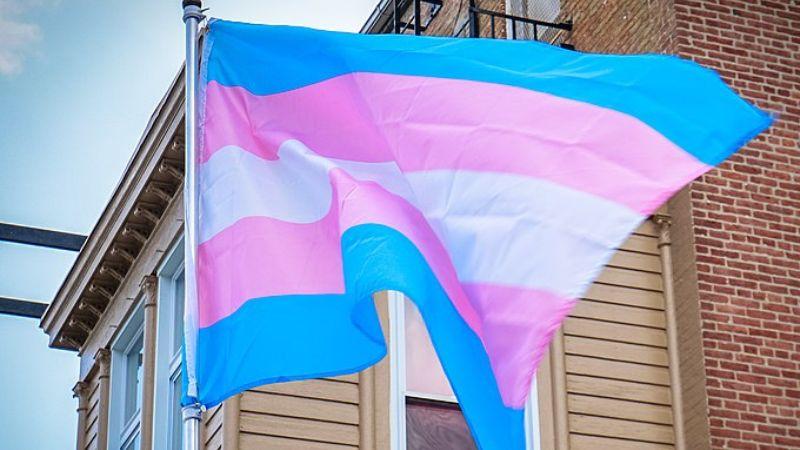
A new report has highlighted that the number of young Americans identifying as transgender or queer has declined rapidly in recent years. The report from the Centre for Heterodox Social Science, written by Eric Kaufmann, looked at data from the Foundation for Individual Rights and Expression (FIRE) as well as surveys from elite institutions across the US.
The FIRE survey, which polled over 60,000 students in 2025, found that just 3.6 percent of US undergraduates identified as a gender that is neither male nor female. This is down from 5.2 percent in 2024, and 6.8 percent in 2023.
"In other words, the share of trans-identified students has effectively halved in just two years," Kaufmann wrote for UnHeard.
At Andover Phillips Academy in Boston, 9.2 percent of its students identified as neither male nor female in 2023. In 2025, that number was just 3 percent. At Brown University, just 2.6 percent of students identified as such in 2025, while that number was 5 percent in 2022 and 2023.
Looking at data that includes sexual orientation, Kaufmann noted that the data has shown that "heterosexuality has rebounded by around 10 points since 2023."
Loading this lets X set cookies and collect data.
View on XKaufmann wrote, "Interestingly, when the trans and queer trends were at their peak, freshmen were more likely to be non-conforming in their gender and sexuality than seniors. Now that BTQ (bisexual, trans, queer or questioning) identification is in decline, the reverse is true: younger students are less BTQ than older students in their colleges. This is a sign that fashions are changing."
Looking at why this may have come to be, Kaufman said that it could be explained in part by improved mental health, but not fully, and that political and cultural beliefs have remained "stable throughout the 2020s" among students surveyed," and thus were not a factor.
"Is it improved mental health? Yes, in part. Less anxious and, especially, depressed, students is linked with a smaller share identifying as trans, queer or bisexual," he wrote, later adding, "But not entirely. Mental illness fell after the pandemic but the sexuality and gender shifts happened at least a year later. All groups, including LGBT, got less mentally ill after the pandemic."
Loading this lets X set cookies and collect data.
View on XLoading this lets X set cookies and collect data.
View on XHe concluded, "The fall of trans and queer seems most similar to the fading of a fashion or trend. It happened largely independently of shifts in political beliefs and social media use, though improved mental health played a role."
Loading this lets X set cookies and collect data.
View on XLibby’s Desk
Commentary and must-reads from Libby’s desk, straight to your inbox.
TPM Newsletter
The Post Millennial’s top stories, delivered to your inbox.


