Defense attorney Kevin Reddington urges Trump to pardon child-killer Lindsay Clancy
“Mr. President, I would hope that you would consider this young lady—the type of person she is and what she’s been through—and consider a pardon.”
“Mr. President, I would hope that you would consider this young lady—the type of person she is and what she’s been through—and consider a pardon.”
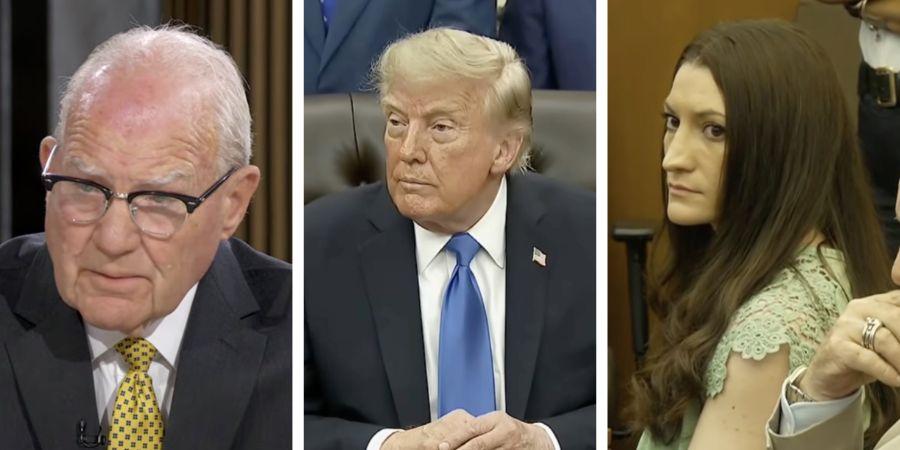
Following a mistrial declaration on Friday, defense attorney Kevin Reddington, who represented Lindsay Clancy in the trial over the killings of her three children, has urged President Trump to pardon the admitted child killer.
Speaking with Good Morning America, Reddington said, “Mr. President, I would hope that you would consider this young lady—the type of person she is and what she’s been through—and consider a pardon.”
Loading this lets X set cookies and collect data.
View on XHe said Trump had “felt compelled to speak out about this case,” which he hoped meant he would consider a pardon. However, Trump only has the ability to pardon federal charges, and Clancy was hit with state charges in Massachusetts. Trump on Friday said that Clancy “did a horrible, horrible thing” in killing her three children—Cora, 5, Dawson, 3, and Callan, 8 months—and that “there’ll be a price” to pay by Clancy.
During the sit-down with Good Morning America, Reddington said that Clancy was “hardworking” and a “wonderful neighbor, friend, wife, mother. Just an incredible person.” He said he feels “a very strong bond with Lindsay because of the type of person she is.”
He also spoke about the one male juror who held out against the 11 others who wanted to issue a not guilty verdict in the case. He said, "I would defend that individual’s right to be a holdout for forever, that’s part of our judicial system and I respect that and I would certainly defend his right to do that.”
Loading this lets X set cookies and collect data.
View on X“What I was upset about was after that lengthy trial and the work that everyone put into this case, including these jurors that spent literally almost two months away from their home, their job, their family, where a gentleman had an opinion, not that he was sticking, like, you know, the movie 12 Angry Men, but in fact he had agreed, according to the note from the forelady, that he had doubt but he would not apply the law of reasonable doubt as presented by the judge. That’s not right. And that’s why I was upset.”
Loading this lets Rumble set cookies and collect data.
View on RumbleLibby’s Desk
Commentary and must-reads from Libby’s desk, straight to your inbox.
TPM Newsletter
The Post Millennial’s top stories, delivered to your inbox.


