DOJ sues DC, Georgia, Illinois, Wisconsin over failure to produce voter roll data
“Regardless of which party is in charge of a particular state, the Department of Justice will firmly stand on the side of election integrity and transparency.”
“Regardless of which party is in charge of a particular state, the Department of Justice will firmly stand on the side of election integrity and transparency.”
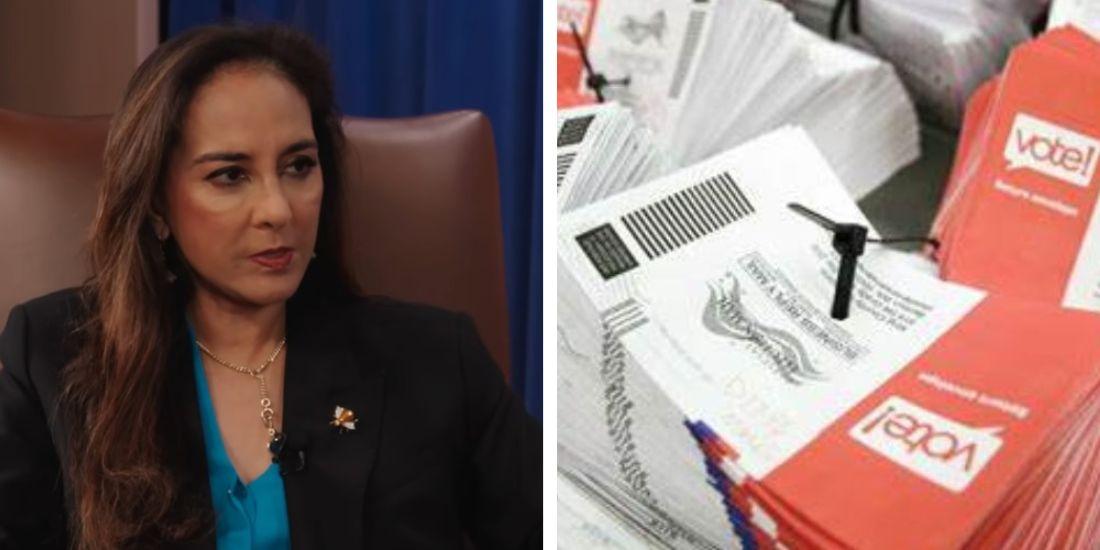
The US Department of Justice has filed new federal lawsuits against the District of Columbia, Georgia, Illinois, and Wisconsin for refusing to provide complete voter registration lists as required under federal law.
The new filings announced Thursday by the DOJ’s Civil Rights Division, bring the total number of jurisdictions sued to 22 nationwide. At the same time, Louisiana, Mississippi, and Tennessee informed the department they intend to voluntarily comply with the federal request, raising the number of states either fully compliant or in the process of compliance to 10.
Assistant Attorney General Harmeet K. Dhillon, who leads the Civil Rights Division, said the lawsuits are about enforcing long-standing federal election laws and ensuring accurate voter rolls. “The law is clear: states need to give us this information, so we can do our duty to protect American citizens from vote dilution,” Dhillon said. “Regardless of which party is in charge of a particular state, the Department of Justice will firmly stand on the side of election integrity and transparency.”
According to the DOJ, Congress has explicitly tasked the Attorney General with enforcing the National Voter Registration Act (NVRA) and the Help America Vote Act (HAVA), laws intended to ensure states maintain accurate and up-to-date voter registration systems. The department is also invoking the Civil Rights Act of 1960, which authorizes the federal government to demand, inspect, and analyze statewide voter registration records.
Federal officials said the requested data is necessary to identify ineligible registrations, including records tied to deceased individuals, non-citizens, or voters who no longer reside in a given jurisdiction.
The four newly filed lawsuits add to a growing list of legal actions against states and jurisdictions that have resisted turning over voter registration data. Over the past year, the DOJ has filed similar suits against multiple states, arguing that refusal to comply with the law violates federal statute and undermines election transparency.
While some states have challenged the DOJ’s authority or sought to impose conditions on data access, the department has maintained that states do not have discretion to deny or delay compliance. States that have chosen to cooperate, DOJ officials say, have framed the process as collaborative, allowing federal analysts to review records and share findings so election officials can improve voter roll accuracy.
Libby’s Desk
Commentary and must-reads from Libby’s desk, straight to your inbox.
TPM Newsletter
The Post Millennial’s top stories, delivered to your inbox.


