JPMorgan Chase admits to debanking Trump accounts after J6
JPMorgan revealed that it cut off more than 50 of Trump’s accounts in February 2021, shortly after his first presidential term ended.
JPMorgan revealed that it cut off more than 50 of Trump’s accounts in February 2021, shortly after his first presidential term ended.
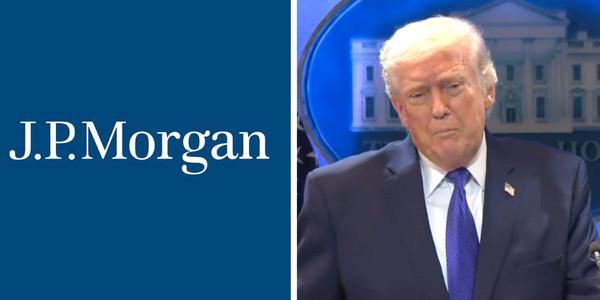
JPMorgan Chase has admitted to debanking President Donald Trump following January 6, 2021, closing dozens of his bank accounts.
After a lawsuit filed last month by Trump and his company, JPMorgan revealed that it cut off more than 50 of Trump’s accounts in February 2021, shortly after his first presidential term ended. The accounts were connected to his hotels, housing developments, and retail properties in Florida, Illinois, and New York. Also terminated was Trump’s personal private banking relationship that handled his inheritance from his father.
Letters filed with the court did not specify the reason the bank closed the accounts. In an unsigned 2021 note, Trump was told that he would need to “Find a more suitable institution with which to conduct business.” The letter ended with, “Thank you for your prompt attention to this matter,” a common phrase Trump uses to sign off on his social media account.
In his lawsuit, Trump alleged that the bank blacklisted him because it “needed to distance itself from President Trump and his conservative political views.” He has previously complained that Capital One closed his accounts and that Bank of America refused to accept deposits following January 6.
JPMorgan has previously declined to say whether it had closed Trump’s accounts. Last month, the bank issued a statement saying the lawsuit was without merit, but it did not address allegations raised by Trump. According to The New York Times, a spokesperson for the bank at the time said that it closes accounts “because they create legal or regulatory risk for the company.”
The admission comes amid broader debate among right-leaning commentators over debanking, in which banks are accused of refusing to do business with customers over political views. Last August, Trump signed an executive order aimed at guaranteeing “fair banking for all Americans,” stating in the order that “financial institutions have engaged in unacceptable practices to restrict law-abiding individuals’ and businesses’ access to financial services on the basis of political or religious beliefs or lawful business activities.”
Libby’s Desk
Commentary and must-reads from Libby’s desk, straight to your inbox.
TPM Newsletter
The Post Millennial’s top stories, delivered to your inbox.


