Maryland Dems enact reparations committee despite Wes Moore’s veto
Moore vetoed Senate Bill 587 in May, arguing that Maryland has already conducted extensive research on the legacy of slavery.
Moore vetoed Senate Bill 587 in May, arguing that Maryland has already conducted extensive research on the legacy of slavery.
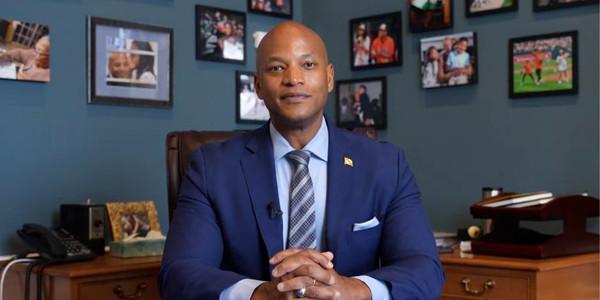
Maryland is set to begin studying slavery reparations after the state Senate and House voted to override Democratic Governor Wes Moore’s veto of legislation creating a reparations commission.
Moore vetoed Senate Bill 587 in May, arguing that Maryland has already conducted extensive research on the legacy of slavery and should instead focus on policies aimed at narrowing racial disparities. In a veto letter sent to Senate President Bill Ferguson, Moore pointed to multiple studies and commissions the state has undertaken over the past 25 years examining the impact of slavery and systemic racism.
Despite the governor’s objections, the Maryland Senate voted 31-14 to override the veto, followed by a 93-35 vote in the House. In the Senate, all 31 who voted to override were Democrats.
Prior to the vote, Republican Delegate Matthew Morgan criticized Democrats on the House floor for talking about the issue of affordability while also trying to create a commission for “race-bait handouts.”
"This bill betrays the original intention, the unifying event of the civil rights movement. It's immoral and it's fiscally ruinous to this state and it sends a message to the generations out there now in Maryland that if you're concerned about fairness, dignity, opportunity in this state — to flee Maryland," said Morgan, according to Fox News.
With the veto overridden, the bill will take effect and establish a commission tasked with examining possible forms of reparations. These may include monetary compensation, tax rebates, child-care support, debt forgiveness, and other measures. A preliminary report is due by January 1, 2027, followed by a final report by November 1, 2027. The commission is scheduled to expire in 2028.
The move was praised by the Legislative Black Caucus of Maryland, which described the override as a significant step forward.
"This landmark action establishes a rigorous and comprehensive plan for reparations and marks Maryland’s first-ever step toward reparations," the caucus said in a statement. "At a time of growing attacks on diversity and equity, today’s action reaffirms our shared commitment to truth-telling, accountability, and meaningful progress for Black Marylanders."
Libby’s Desk
Commentary and must-reads from Libby’s desk, straight to your inbox.
TPM Newsletter
The Post Millennial’s top stories, delivered to your inbox.


