Massachusetts judge eyes March 2027 start date for Lindsay Clancy retrial
A hearing is set for November 16 in which motions will be ruled on and a potential retrial date will be set.
A hearing is set for November 16 in which motions will be ruled on and a potential retrial date will be set.

The parties in the Lindsay Clancy case returned to the courtroom on Monday morning, where they argued motions before Judge William Sullivan, including the defense’s motion to dismiss the case against the Massachusetts mother charged with killing her three children. At the conclusion of the hearing, a November 16 date was set on which Sullivan would rule on the motions, and set a trial date if necessary.
While looking at scheduling in the case, Judge Sullivan said he would like to schedule her retrial for March. The prosecution said they would be going for a retrial, but “as to what it looks like will depend” on the outcome of the motions.
The defense questioned why the prosecution had not made a decision on charges that would be brought forth in the new trial. “I am not going to have this woman sit incarcerated for the next year or two or three. I want a trial, and I want it with you, and I want it this spring,” he said, noting that Sullivan is set to retire under Massachusetts rules in June.
Arguing the defense’s motion to dismiss was attorney Martin Weinberg. He asked the court to “reconsider decisions that were made in the heat of battle” in the final days of jury deliberation. That trial ended in a hung jury, with one juror holding out while 11 others wanted to find her not guilty by reason of insanity.
Weinberg said that Clancy had the right to “12 jurors, not just 11, who were impartial, unbiased, deliberating, following the law, whether or not they agreed with it or not.”
He spoke on the notes delivered by the jury foreperson during the deliberations, indicating that the holdout juror was “unable to follow the instructions regarding reasonable doubt,” saying that those notes “cried out” for a “probing voir dire that would attempt to establish whether or not the 12th juror was or was not honoring his oath, following your honor’s instructions, particularly on a core issue that goes to the heart of what American criminal justice gives to defendants, which is the burden being placed on the prosecutor to prove guilt beyond a reasonable doubt.”
Weinberg said that Sullivan should have conducted further questioning of the jury to get to the bottom of the meaning of the notes, with Sullivan saying, “didn’t I do that?” he added, “Didn't I do a voir dire? Didn't I bring jurors in? Didn't I swear them in?” Weinberg said that further probing questions, specifically of the foreperson, as to what the notes meant about doubt could have been a “viable alternative” process that Sullivan could have followed before declaring a mistrial.
In addition to jury issues, Weinberg argued that the case should be dismissed on double jeopardy grounds. “I urgently ask your honor to reconsider the trial decisions and to grant the motion to dismiss on grounds of jury trial right, double jeopardy right, both in the federal and the state constitution.”
The prosecution argued that the notes suggested there was merely “an issue regarding deliberations,” and “no allegation in the notes of a lack of impartiality, bias, extraneous influence, or inability or refusal to deliberate that might otherwise call for a more probing” voir dire. Assistant district attorney Jennifer Sprague said that the matter was, “This juror did not refuse to deliberate, he refused to agree.”
She said that the judge had conducted a limited voir dire of each juror and provided reinstruction on reasonable doubt, which were “a proper exercise of the court's discretion.” To go further would be “putting the court's interpretation of what's correct into the deliberative process, determining are the 11 right or is the one right.”
The defense also argued their motion requesting the holdout juror’s phone records and juror questionnaire form. During those arguments, attorney Kevin Reddington was called out by Sullivan for using the holdout juror’s name.
“I’m gonna stop you right there,” Sullivan said.
“No, you’re not gonna stop me,” Reddington said.
Sullivan said “There’s no need to bring out that juror’s name,” with Reddington arguing that it’s “all over the internet.” Sullivan said that others hadn’t had a problem using pseudonyms for the holdout juror, and Reddington should use that as well. Reddington said the holdout juror has “got more face time than I do.” His identity was able to be made known by the other jurors revealing information about him during their many interviews.
Getting into his arguments on the motion, Reddington said the juror was “Scrolling through his cellphone,” and doing research on it while deliberations were going on. He sought to enter into evidence interviews regarding the holdout juror that took place after the trial.
The prosecution said that “there’s no legal purpose for what’s requested here,” saying that the information requested “was discovered or spoken about after the mistrial was declared, so it’s not relevent to the motion to dismiss on double jeopardy grounds.”
She said granting the motion “would be potentially opening the door into examining the statements and actions of the other 11 juror,” later adding, “if the door was open to examining this specific juror, then all of the jurors would be included in that.”
“Your Honor, the only thing that changed what anyone knew about Juror Doe at the time the mistrial was declared was the vote. If that's enough to put a juror under oath to search their phone, to pull their history, then the lesson to every future juror in this Commonwealth is simple: agree with the majority, or potentially be investigated.”
Reddington said in a brief statement that “Juror Doe also, interestingly enough, established the fact that if you are a quote holdout juror, you possibly can make up to half a million dollars on GoFundMe.”
The last motion argued on Monday was one from the prosecution regarding comments the defense has made. The prosecution said that “Counsel for the defendant has engaged in substantial publicity pre-trial, during the trial, and post-trial that has inevitably tainted potential future jurors with inflammatory statements about the prosecution of the case, the facts of the case, the evidence presented, evidence not presented at trial, and jury deliberations.”
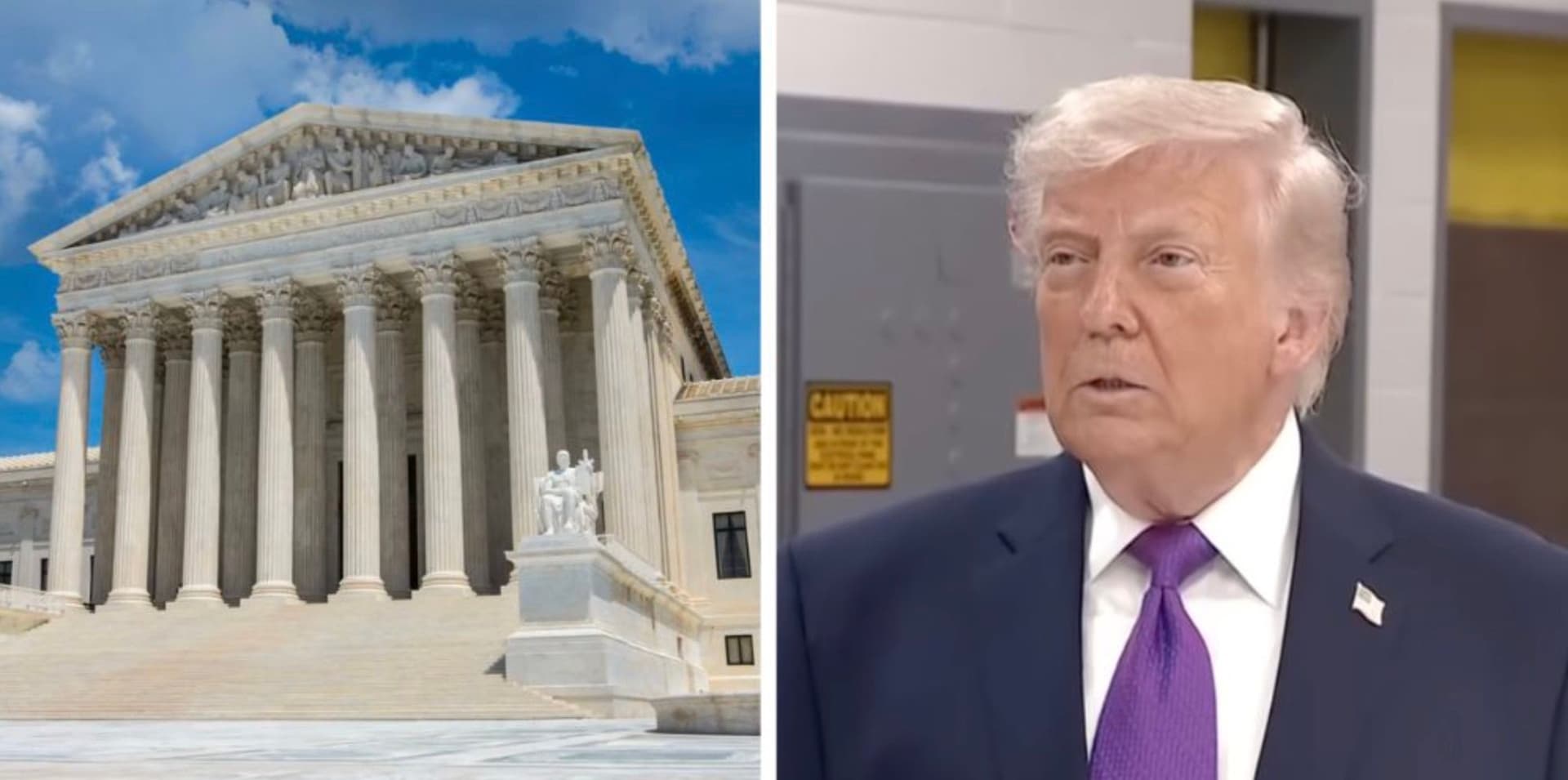
She said that “restraints on further extrajudicial statements are necessary” to protect the judicial system. She noted statements targeting the holdout juror, statements from Reddington calling Clancy “like a daughter to him,” and his asking Trump for a pardon.
The defense argued that attempts to “restrain counsel’s speech before it even occurs” are unnecessary, and that the prosecution had not met the standard to justify such prior restraint. She said that Reddington was acting not only as Clancy’s counsel, but as “her voice“ as well.
Libby’s Desk
Commentary and must-reads from Libby’s desk, straight to your inbox.
TPM Newsletter
The Post Millennial’s top stories, delivered to your inbox.