Washington State crime rate surges as police staffing levels tank
An earlier WASPC report showed that Washington state continues to have the lowest rate of officers per capita.
An earlier WASPC report showed that Washington state continues to have the lowest rate of officers per capita.
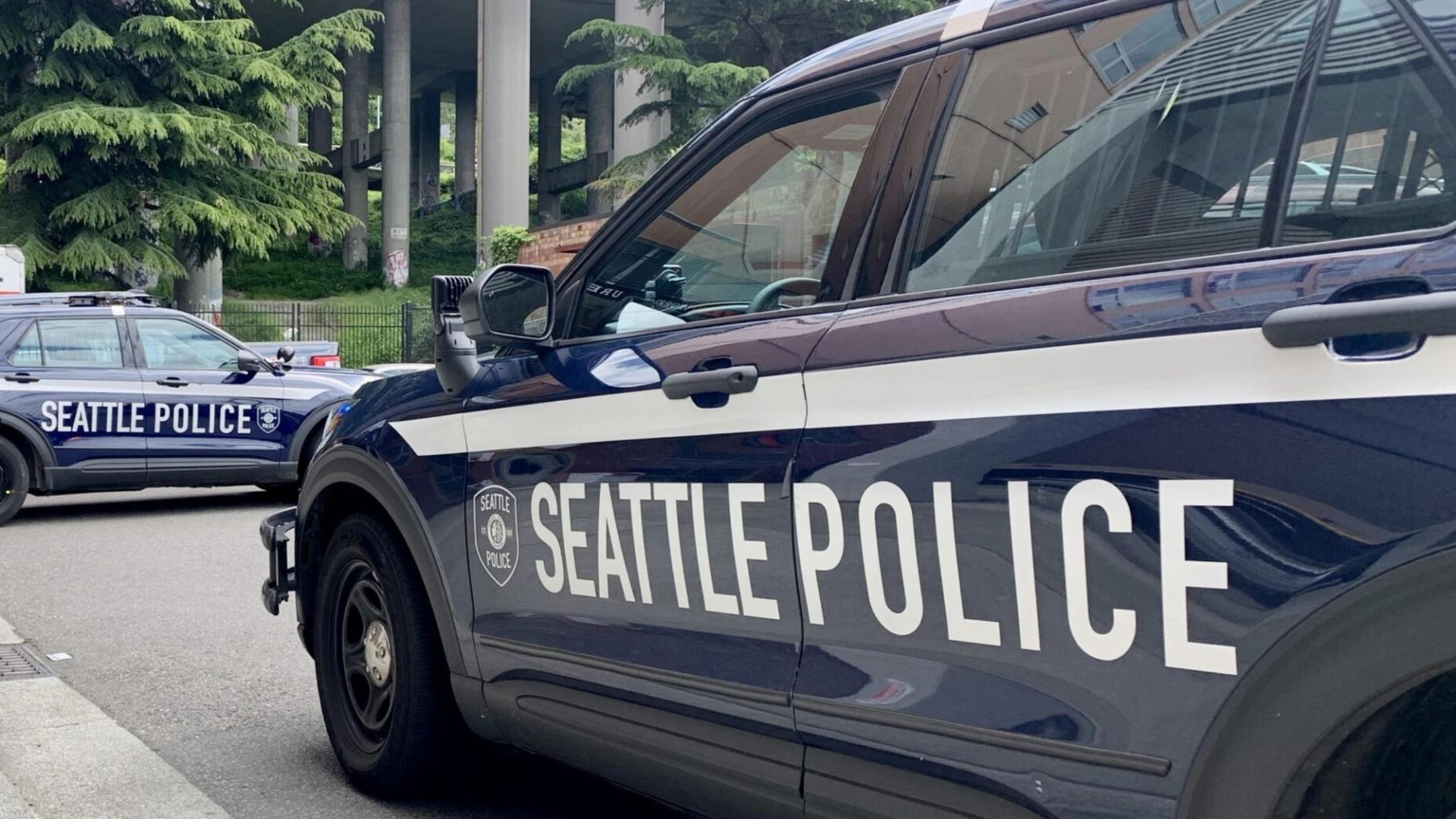
New FBI crime data for 2024 paints a troubling picture for Washington State, where key violent crime categories have surged far beyond the national trend. While the rest of the country is seeing declines in violent crime, Washington is moving in the opposite direction.
This comes as Washington State has been ranked last out of all 50 states and Washingon, DC for police staffing per capita for the 15th year in a row, according to a FBI data analyzed by the Washington Association of Sheriffs & Police Chiefs (WASPC).
Between 2019 and 2024, the national murder rate dropped 3.55 percent. In Washington, it jumped 42.46 percent. Violent crime nationwide fell 6.28 percent over that same span, yet Washington’s violent crime rate climbed 8.16 percent.
One of the most alarming categories is aggravated assault. Nationally, such assaults rose 2.14 percent over five years, but Washington’s increase was nearly nine times higher, at 18.84 percent.
Vehicle theft tells a similar story. Across the US, thefts rose 15.99 percent. In Washington, they jumped 34.87 percent, more than double the national pace.
While robbery and rape rates have edged downward, the state’s overall violent crime trend remains sharply higher than the national average. Property crime is also falling more slowly in Washington than in other parts of the country. The Washington Association of Sheriffs and Police Chiefs (WASPC) says the problem can’t be ignored.
“These numbers speak for themselves,” said Steven D. Strachan, WASPC’s executive director. “Some national reports suggest the crime increases seen during the pandemic have now largely reversed themselves. Unfortunately, that is not the case here in Washington.”
Strachan called for a renewed focus on public safety that balances victim support, fair accountability, transparent policing, and ensuring law enforcement has the staffing, tools, and resources to respond effectively.
“This is not about casting blame,” Strachan said. “It’s about acknowledging the reality of where we are and working together to chart a better path forward.”
Libby’s Desk
Commentary and must-reads from Libby’s desk, straight to your inbox.
TPM Newsletter
The Post Millennial’s top stories, delivered to your inbox.


