
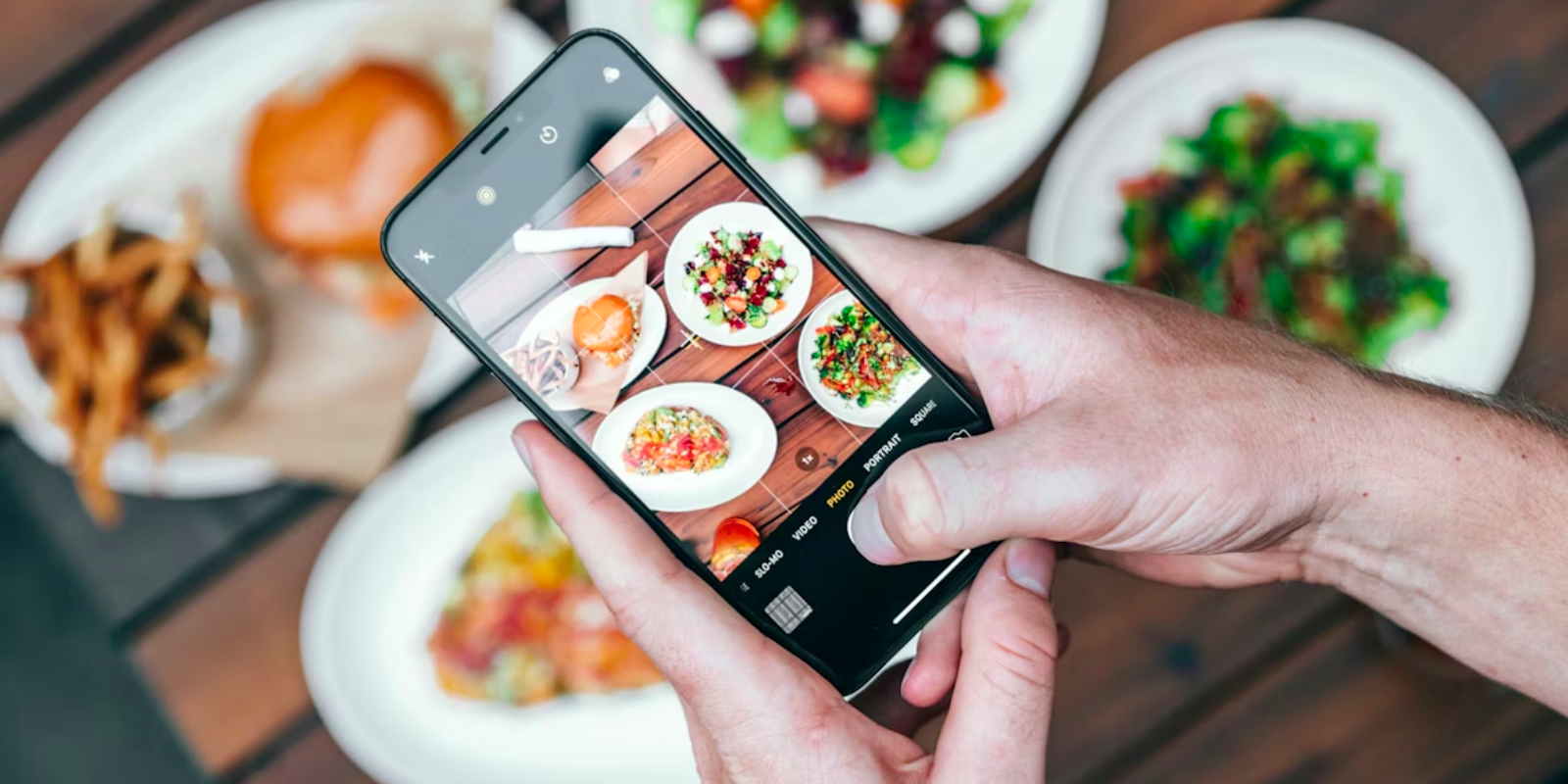
Americans check their phones about 144 times per day, spending roughly 4.5 hours on their devices.

An increasing number of restaurants and bars across the US are asking customers to put away their phones, or even lock them up, in an effort to encourage face-to-face interaction.
According to a report by Axios, at least 11 states have individual restaurants or bars that have implemented some form of phone restriction or incentive aimed at reducing device use while dining. Some larger chains are also exploring similar policies.
The supper club chain Delilah’s has adopted a “no phones, no posting” policy at its locations in Dallas, Las Vegas, Los Angeles, and Miami. The company said the rule is intended to "protect guest privacy and preserve the intimate atmosphere.” In Maryland, a Chick-fil-A location in Towson Place is offering free ice cream to families who refrain from checking their phones during their meal.
The Charlotte, North Carolina bar Antagonist has taken a stricter approach. The establishment requires customers to lock their phones away for up to two hours. The bar told Axios the policy is meant to "build a place that kind of forces you to connect."
One Charlotte influencer described the experience of going without a phone during a visit, telling the outlet, “No pings to ignore, no photos to snap, just pure focus on my husband and our intense game of Scrabble. Oddly enough? I walked away feeling more connected (to him) than ever."
Data from Consumer Affairs suggests Americans check their phones about 144 times per day, spending roughly 4.5 hours on their devices. A December 2025 survey commissioned by ThriftBooks and conducted by Talker Research found that younger generations are more likely to intentionally disconnect. About 63 percent of Gen Z respondents said they make an effort to put down their devices, compared to 57 percent of millennials and 42 percent of Gen X. Only 29 percent of baby boomers said the same.
"The phone-free dining trend began prior to COVID, but it's increased in momentum in recent years, especially as people have come to understand the negative impacts of overuse of personal devices," hospitality professor at the University of Nevada, Las Vegas, Amanda Belarmino, told Fox News.
Studies have shown that heavy smartphone and social media use can affect socialization, self-esteem, and information retention. Concerns over those impacts have also led some schools across the country to restrict or ban phone use in classrooms in an effort to help students focus.
Powered by The Post Millennial CMS™ Comments
Join and support independent free thinkers!
We’re independent and can’t be cancelled. The establishment media is increasingly dedicated to divisive cancel culture, corporate wokeism, and political correctness, all while covering up corruption from the corridors of power. The need for fact-based journalism and thoughtful analysis has never been greater. When you support The Post Millennial, you support freedom of the press at a time when it's under direct attack. Join the ranks of independent, free thinkers by supporting us today for as little as $1.
Remind me next month
To find out what personal data we collect and how we use it, please visit our Privacy Policy







Comments