
Recent cases of fraud and bribery demonstrate how significant sums of U.S. aid have been lost to corruption.

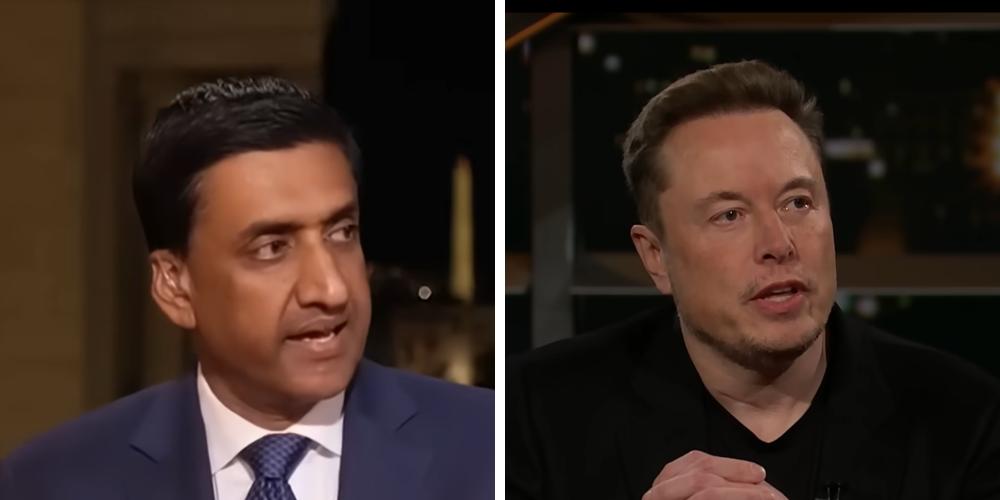
California Democratic Rep. Ro Khanna has renewed his criticism of trillionaire Elon Musk over cuts made to the U.S. Agency for International Development (USAID), arguing that the Department of Government Efficiency's (DOGE) efforts to slash foreign aid funding would result in millions of children dying as a result of reductions. Khanna argued on the "I've Had It" podcast that Musk should be subpoenaed and investigated if Democrats regain power in Congress this fall.
Musk fired back, calling the accusation a "total lie" and suggesting the time for litigation may have come. The Tesla CEO argued that DOGE's primary goal was to ensure taxpayer dollars were reaching legitimate aid recipients and not being lost to fraud, corruption, or abuse.
The feud highlights a much broader debate over foreign aid spending. Supporters of USAID, like Khanna, argue that the agency saves lives through food assistance, disease prevention and humanitarian relief programs around the world. Critics counter that oversight failures have repeatedly allowed taxpayer dollars to be misused, diverted, or awarded through corrupt contracting practices.
Those concerns are not merely theoretical. Recent cases of fraud and bribery demonstrate how significant sums of U.S. aid have been lost to corruption.
1. The $550 Million USAID Bribery Scheme: June 12, 2025
Arguably the most significant recent scandal is the bribery scheme that emerged in 2025 when the Department of Justice announced guilty pleas from former USAID contracting officer Roderick Watson and three government contractors involved in a ten year long bribery scheme tied to more than $550 million in federal contracts.
According to prosecutors, Watson had accepted more than $1 million in bribes, including cash, mortgage assistance and jobs for his relatives. For this, investigators said he manipulated the procurement process, steered contracts toward favored companies and shared sensitive information that helped contractors secure high dollar USAID awards. The DOJ described the scheme as a corruption of the federal contracting process that undermined public trust and defrauded taxpayers.
2. $9 Million in Aid Diverted to Terrorist-Linked Groups: November 19, 2024
In 2024, federal prosecutors charged Syrian national Mahmoud Al Hafyan with orchestrating a scheme that diverted more than $9 million in USAID-funded humanitarian aid away from civilians in war-worn Syria.
According to court documents, aid intended for families was allegedly sold on the black market while records were falsified to conceal the theft. Prosecutors said some of the diverted assistance ultimately benefited armed groups, including the Al-Nusrah Front. Investigators described the case as one of the largest known diversions of USAID-funded humanitarian assistance ever uncovered.
3. Pakistan Power Project Kickback Scheme: May 20, 2025
USAID investigators helped uncover a kickback scheme involving a U.S.-funded power distribution project in Pakistan. According to federal authorities, former contractor Stephen Paul Edmund Sutton accepted kickbacks while serving as a logistics operations manager on a USAID-funded program designed to improve Pakistan's electrical grid.
After fighting extradition from the United Kingdom for more than two years, Sutton was returned to the United States, where he pleaded guilty to conspiracy to commit theft concerning a federally funded program. Prosecutors said Sutton received portions of USAID funds that were paid through fraudulent vendor arrangements tied to the project. His conviction highlighted the oversight challenges facing bloated foreign aid programs that rely on foreign contractors and subcontractors operating overseas.
4. Pakistan Contractor Convicted in Additional Kickback Scheme: September 25, 2025
In another case stemming from the same USAID-funded power distribution project, Pakistani national Atif Hussein Gillani pleaded guilty and was sentenced in federal court for participating in a conspiracy to steal funds from the program.
According to USAID's Office of Inspector General, Gillani and a co-conspirator created companies that obtained purchase orders for equipment services under the USAID-funded project. Investigators found the contractors then hired local vendors at significantly lower rates and pocketed the difference, paying themselves through a dishonest kickback arrangement. The case showed yet another example of how fraud can occur within large international projects when oversight fail to detect abuses in contracts.
While the debate sits at the center of the increasingly bitter war between Khanna and Musk it also reflects a renewed appetite many Americans have to root out fraud and abuse in their government. As more grow skeptical of foreign escapades whether that be war or foreign spending Americans want to know they can trust where their money is going.
Powered by The Post Millennial CMS™ Comments
Join and support independent free thinkers!
We’re independent and can’t be cancelled. The establishment media is increasingly dedicated to divisive cancel culture, corporate wokeism, and political correctness, all while covering up corruption from the corridors of power. The need for fact-based journalism and thoughtful analysis has never been greater. When you support The Post Millennial, you support freedom of the press at a time when it's under direct attack. Join the ranks of independent, free thinkers by supporting us today for as little as $1.
Remind me next month
To find out what personal data we collect and how we use it, please visit our Privacy Policy

Comments