
Democrats previously rejected the temporary spending measure that would have funded the government through November 21.

Hundreds of thousands of federal workers missed paychecks, and air travel began experiencing major delays due to staffing shortages among air traffic controllers and TSA officers, many of whom were working without pay or calling in sick as financial strain mounted.
The shutdown began on October 1 amid a legislative stalemate in the Senate. Republicans passed a clean continuing resolution to fund the government at current levels, but the Democrats rejected the temporary spending measure that would have funded the government through November 21. As negotiations dragged on, the consequences rippled across the country, culminating in widespread travel disruptions at airports.
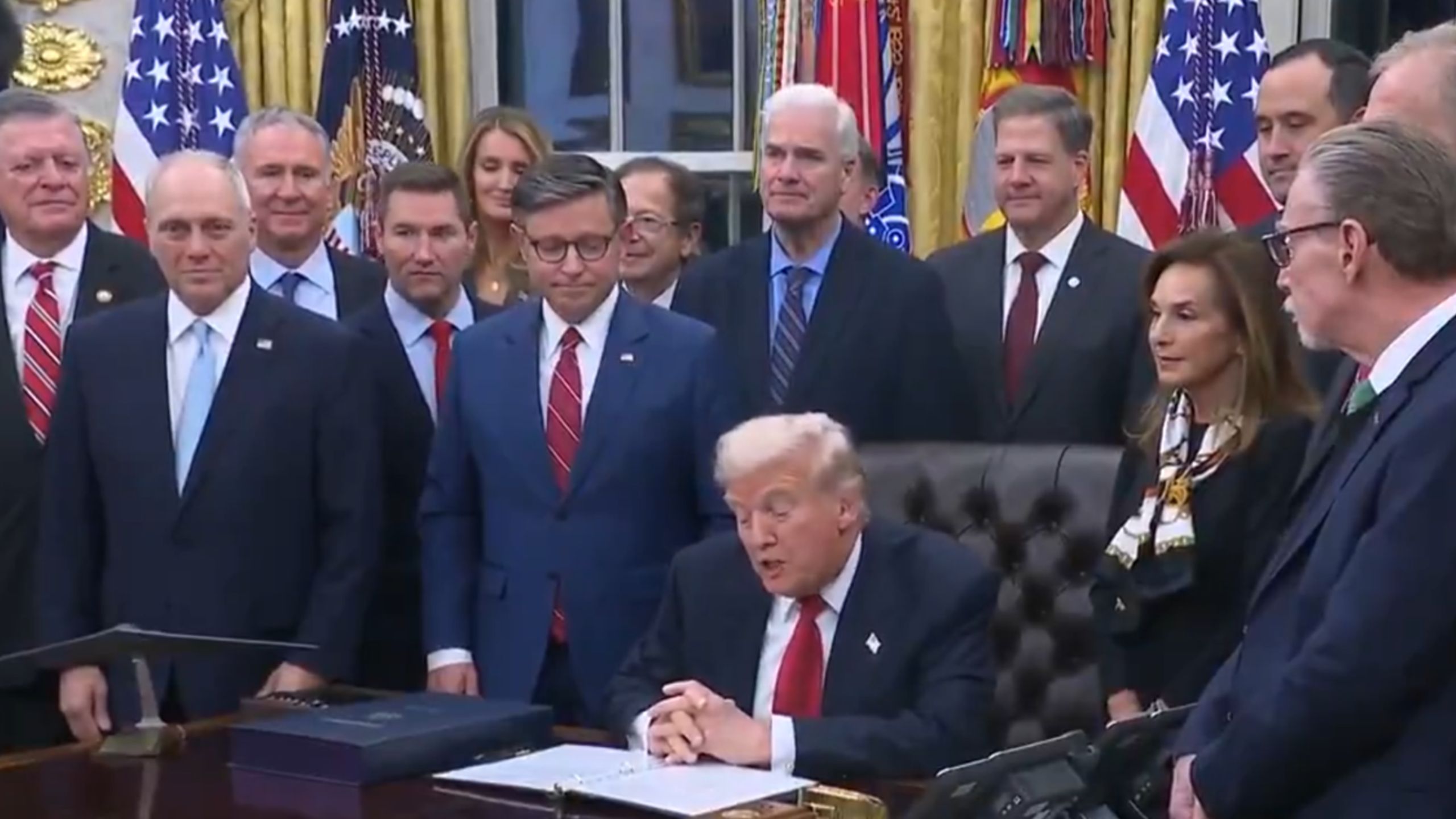
The newly passed bill funds the government at the current fiscal year 2025 levels through January 30, giving lawmakers more time to negotiate a full appropriations package for fiscal year 2026.
The bill includes continued funding for the Supplemental Nutrition Assistance Program (SNAP) through September, ensuring that more than 42 million low-income Americans can continue to purchase groceries with government support.
The deal also reverses layoffs initiated earlier in October by the Trump administration in response to the stalemate and gives back pay to federal employees to compensate them for the weeks they were furloughed or forced to work without pay.
The Senate approved the legislation on Monday night with a 60–40 vote. Eight Democrats joined Republicans to advance the measure. The House followed suit on Wednesday, clearing the final hurdle to reopening federal agencies.
According to Fox News, the pressure to reach an agreement grew in recent days as airport staffing shortages caused mounting delays and flight disruptions. Air traffic controllers and TSA employees, already preparing to miss a second paycheck, increasingly called out sick or sought second jobs, impacting operations nationwide.
The shutdown’s origins lay in a dispute over health care provisions tied to the temporary funding bill. Republicans, including Trump, accused Democrats of attempting to extend health care to undocumented immigrants by repealing a provision in Trump’s prior domestic policy legislation, the “Big, Beautiful Bill,” that restricted Medicaid eligibility for non-US citizens.
Democrats claimed they were attempting to make permanent several Obamacare (Affordable Care Act) subsidies due to expire at the end of 2025. The short-term bill ultimately did not include extensions of these subsidies. However, Senate Majority Leader John Thune (R-SD) committed to holding a separate vote in December on legislation to continue the credits. House Speaker Mike Johnson (R-LA) has not indicated whether he would support bringing such a measure to the House floor.
Powered by The Post Millennial CMS™ Comments
Join and support independent free thinkers!
We’re independent and can’t be cancelled. The establishment media is increasingly dedicated to divisive cancel culture, corporate wokeism, and political correctness, all while covering up corruption from the corridors of power. The need for fact-based journalism and thoughtful analysis has never been greater. When you support The Post Millennial, you support freedom of the press at a time when it's under direct attack. Join the ranks of independent, free thinkers by supporting us today for as little as $1.
Remind me next month
To find out what personal data we collect and how we use it, please visit our Privacy Policy






Comments