
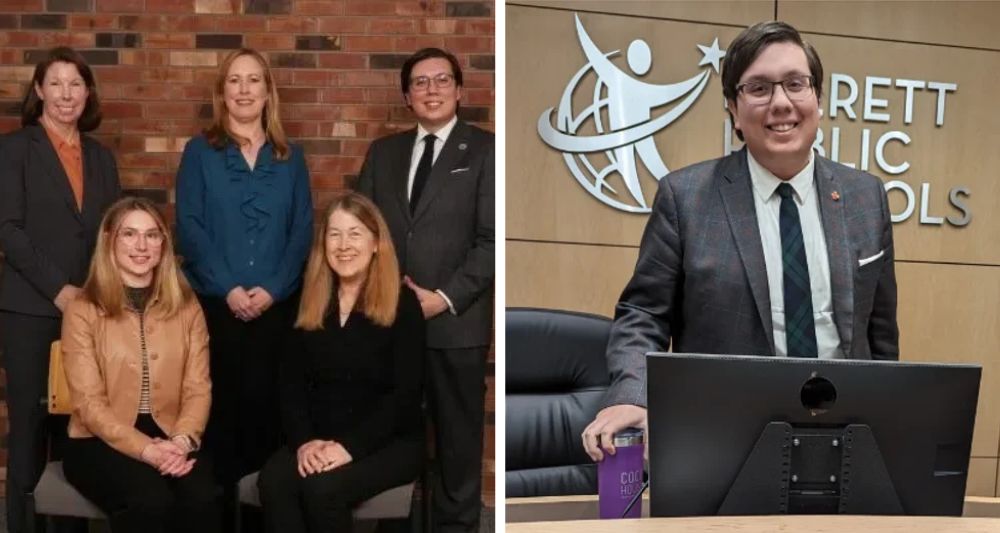
The dispute also involved hostile remarks from a school board member who said, “I want to make it very, extremely, abundantly clear, that yes, I do in fact hold animus toward LifeWise Academy.”

Everett Public Schools reached the agreement with LifeWise Academy following a legal challenge to restrictions on the nonprofit’s voluntary Bible instruction program.
According to First Liberty Institute, which represented LifeWise alongside Bryan Cave Leighton Paisner LLP, the agreement also requires the district’s public apology to remain on its website for six months.
LifeWise provides privately funded religious instruction off school property during the school day with parental permission. Its settlement announcement said the district imposed weekly parental reauthorization requirements, excluded the organization from community events and flyer displays, and required children to conceal materials received through the program, including Bibles.
The dispute also involved openly hostile remarks from school board member Charles Adkins. First Liberty cited his public declaration: “I want to make it very, extremely, abundantly clear, that yes, I do in fact hold animus toward LifeWise Academy.”
The case had already produced an April 24 preliminary injunction from US District Judge Lauren King, who granted the plaintiffs’ request in part. Her ruling examined restrictions extending beyond the sealed-envelope requirement.
The district had required LifeWise to remove a photograph of a boy praying from a proposed flyer, saying it could be viewed as proselytizing. King found the exclusion constituted viewpoint discrimination.
The court also examined the response to a community member who compared LifeWise to the Nazi Party at an August 2025 board meeting. Board President Traci Mitchell thanked the commenter and later emailed that her comments and call for action had been heard. King considered those responses evidence supporting hostility toward LifeWise.
Although the district argued Adkins did not speak for it, King found his expressed hostility relevant because the board had a role in approving the guidelines.
The permission requirements had practical consequences. The court cited plaintiffs’ evidence of more than 15 instances across nearly a dozen occasions when students were unable to attend LifeWise because of the new rules.
King also questioned the district’s justification that materials brought back from the program caused classroom disruptions. She described the reports in the record as few, vague, and secondhand, without an explanation of whether officials had first tried addressing the alleged disruptions through student admonishments.
The injunction required equal access to community fairs and printed-flyer displays, a semester-long permission option identifying dates and authorized adults, and permission for plaintiff Sarah Sweeny’s children to read LifeWise materials when other nonacademic reading was allowed.
In its public apology, the district acknowledged that its implementation of policies created difficulties for participating families, particularly over student release procedures and the handling of religious materials. It also acknowledged that comments at board meetings, including remarks from directors, had been offensive and hurtful. “We recognize that these statements negatively affected the exercise of your faith,” the district stated.
The statement, signed by Superintendent Ian Saltzman and the five school board members, said the settlement would avoid prolonged litigation and additional expenditure of district resources while meeting its constitutional obligations to students and families.
The payment will come from the district’s general fund, according to The Everett Herald. The board approved the settlement October 13 without admitting wrongdoing.
Powered by The Post Millennial CMS™ Comments
Join and support independent free thinkers!
We’re independent and can’t be cancelled. The establishment media is increasingly dedicated to divisive cancel culture, corporate wokeism, and political correctness, all while covering up corruption from the corridors of power. The need for fact-based journalism and thoughtful analysis has never been greater. When you support The Post Millennial, you support freedom of the press at a time when it's under direct attack. Join the ranks of independent, free thinkers by supporting us today for as little as $1.
Remind me next month
To find out what personal data we collect and how we use it, please visit our Privacy Policy




Comments